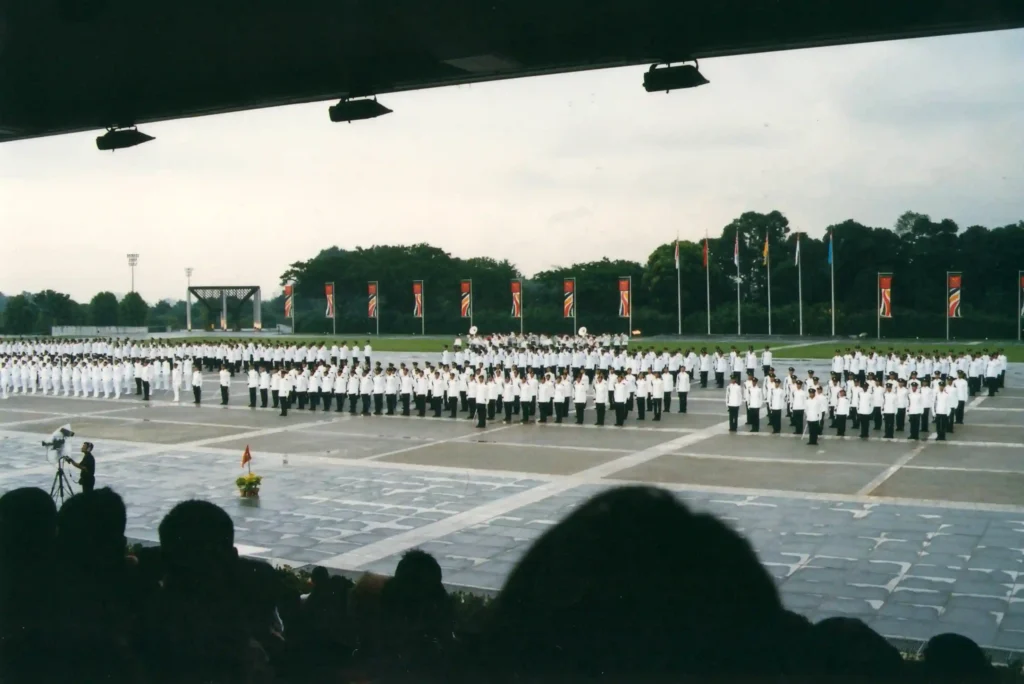
Jurong Camp 1 is a key military installation of the Singapore Armed Forces (SAF) located in the Jurong West region of Singapore. It serves as an important strategic headquarters and operational base for several core army units, including the 3rd Singapore Division, Signals and C4I elements, and various maintenance and logistics support formations. With its strong emphasis on command and control, the camp plays a central role in national defence preparedness and the integration of forces across different army functions. This includes support for training, coordination, and the sustainment of ground operations for both full-time national servicemen and operationally ready NS reservists. Visitors often explore nearby food options like authentic Thai food in Jurong East.
Over the years, Jurong Camp 1 has evolved from a traditional camp environment into a modernized facility equipped to handle the increasing technological and operational demands of the SAF. Its focus extends beyond conventional training to include planning, operational readiness, secure communications, and logistical support activities.
Jurong Camp’s roots trace back to the broader establishment of SAF facilities in the post-independence era. It was designated Jurong Camp I in 2009 during infrastructure standardization efforts. The camp’s modern purpose is to house the headquarters of the 3rd Singapore Division and associated support units, manage operational readiness, and provide logistical and command capabilities. Its evolution reflects Singapore’s strategic emphasis on integrated defence training and total force preparedness in the western sector. Family members waiting in the area may relax at local cafés around Jurong.
Directions from Key Points
Jurong Camp is most commonly accessed from Boon Lay MRT via short bus connections along Upper Jurong Road, followed by a brief walk to the entrance. Visitors traveling from Woodlands can take the North-South Line and transfer to the East-West Line at Jurong East before continuing to Boon Lay and transferring to local buses. Those coming from Jurong Camp 2 benefit from close proximity, with inter-camp movement supported by short bus links or authorised shuttle arrangements for personnel with clearance.
From Boon Lay
Jurong Camp 1 is conveniently accessible from Boon Lay MRT Station on the East-West Line, which serves as the nearest major public transport node to the camp. From the station, visitors may either walk to the camp in roughly 10–15 minutes depending on gate access, or make use of connecting bus services for a faster transfer. Common services such as Bus 99, 192, and 974 travel along Upper Jurong Road and stop close to the camp entrances, making them suitable for both daily army personnel and contractors. Taxis and private-hire vehicles are also readily available from the MRT and provide a direct point-to-point option for visitors who require faster access or are carrying bulky equipment.
From Woodlands
Visitors traveling from Woodlands can reach Jurong Camp 1 primarily via the MRT network. The most direct route involves taking the North-South Line towards the city and transferring at either Jurong East or Boon Lay to the East-West Line. Upon arrival at Boon Lay, onward travel mirrors the options listed above, with bus or short walk connections. For those driving, major expressways such as the Ayer Rajah Expressway (AYE) provide a straightforward route south-westward towards Jurong. Travel time varies depending on traffic conditions, particularly during peak hours and school dismissal periods.
From Jurong Camp 2
Jurong Camp 2 is situated very near Jurong Camp 1, along Upper Jurong Road, making inter-camp movement highly convenient for authorized personnel. The distance between the two camps is walkable, and it typically takes only a few minutes on foot to move between them, depending on gate openings and security checkpoints. Alternatively, Bus 192, 99, or 974 also operate along the same corridor and allow for quick transfers for individuals who prefer not to walk or are transporting supplies or documents. Due to the proximity, cross-camp travel is commonly undertaken by military staff, contractors, and logistics partners with valid access.
Facilities & Services
Jurong Camp 1 is equipped with a range of essential facilities designed to support daily military operations and personnel needs. Core amenities include administrative offices, logistics support points, parade squares, and briefing areas used for routine training cycles. The camp also provides welfare facilities such as canteens, rest areas, and designated service counters for internal administrative matters. Together, these facilities help maintain an efficient environment for soldiers, staff, and authorised visitors. Essential services such as the CPF Jurong Service Centre for government-related matters are also located within the district.
Canteens & Cookhouses
Jurong Camp 1 features on-camp canteen and cookhouse facilities that provide daily meals, snacks, and hot beverages for servicemen, support staff, and authorized visitors. While the dining options may not be as extensive as larger training camps, they are generally sufficient for day-to-day consumption. Anecdotally, areas near units such as the 17C4I Battalion are known to have well-frequented canteen spots that serve popular staples and comfort dishes. During peak hours, these areas often become gathering points for personnel taking short meal breaks between training or administrative tasks.
Canteen Tenders
Canteen operations within the camp are typically managed through tender arrangements, allowing private food stall operators or vendors to bid for the right to serve SAF personnel. These tenders ensure that meal options remain competitively priced and reasonably varied, aligning with the needs of both national servicemen and full-time staff. Tender operators must comply with SAF standards for food hygiene, service reliability, and operational hours, especially during training cycles or periods of high camp activity.
HSP Panel 1 Jurong Camp
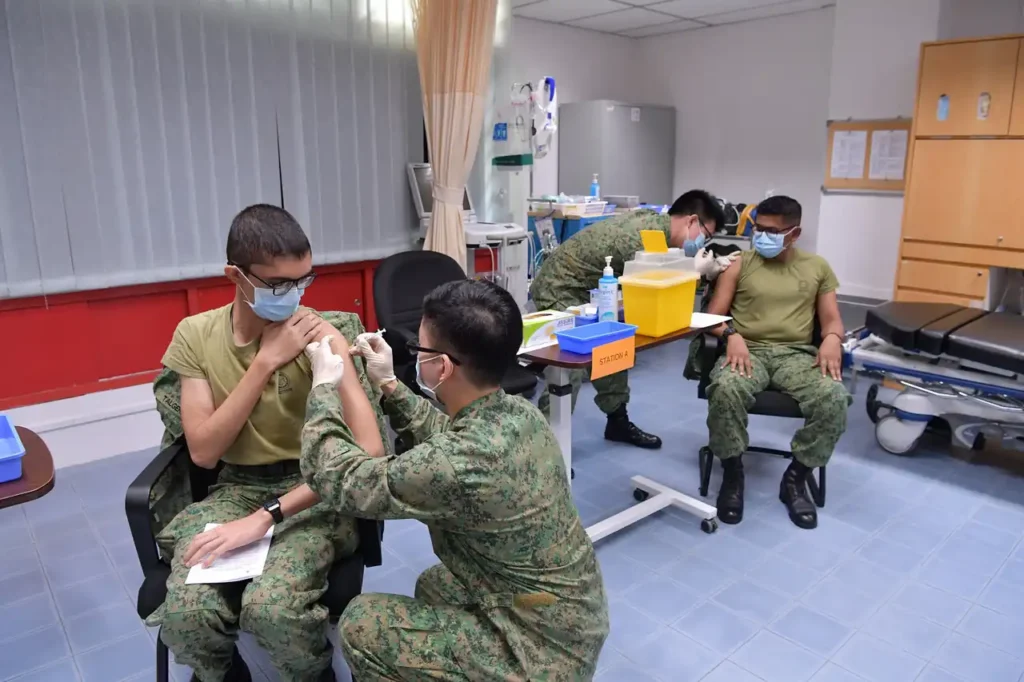
Administrative functions such as HSP Panel 1 (Health & Safety Panel) play an important role in the welfare and well-being of individuals within Jurong Camp 1. These panels support routine assessments, basic safety monitoring, and processes related to personnel health, fit-for-duty matters, and injury management. By maintaining structured safety oversight, the camp ensures that training schedules can be carried out responsibly and that the operational environment meets SAF health and safety requirements.
SAF eMart
Jurong Camp 1 also falls under the SAF eMart system, which enables servicemen to purchase uniforms, equipment, consumables, and replacement kit using credits or cash. While not all camps maintain a full-time eMart outlet, nearby commercial eMart branches such as those at The Chevrons in Jurong East provide convenient access for personnel in the region. Camp-based eMart access, when available, typically requires proper security clearance and may operate on limited schedules tied to unit activity and weekday administrative hours. The eMart system plays a vital role in ensuring troops are properly equipped, especially before field exercises, ICTs, and upcoming operational deployments.
Size & Type
Jurong Camp 1 is not primarily a regimental camp like some infantry-focused camps; rather it functions as a division headquarters and multi-unit installation supporting command, signal, engineer and maintenance formations. The camp houses units such as the 17th C4I Battalion and 3rd Army Maintenance Base, reflecting its role in communications, logistics and divisional operations. In SAF base lists, Jurong Camp 1 is distinct from Jurong Camp 2, which primarily hosts training units such as the Infantry Training Institute (ITI) and Combat Engineers.
Planning Your Visit
Equipped with essential facilities to support daily military operations and personnel needs.
Core amenities include administrative offices and logistics support points.
Parade squares and briefing rooms are used for routine training, coordination, and drills.
Welfare facilities include canteens, rest areas, and internal service counters.
Supports an efficient environment for soldiers, staff, and authorised visitors.
Security and Entry Requirements
Security at Jurong Camp 1 is strict. Entry typically requires:
Confirmation of appointment or official business purpose
Valid identification (NRIC or passport)
Visitor pass issuance at the guardhouse
Possible background checks These measures are standard to safeguard personnel and infrastructure. Visitors should arrive early to allow time for processing.
How to Get to Jurong Camp 1
Jurong Camp 1 is located at 100 Upper Jurong Road, Singapore 638357, in the western part of the island, and is accessible by both public transport and private vehicle.
By Public Transport
The easiest way to reach Jurong Camp 1 is by using Singapore’s public transport system:
MRT or Bus:
Boon Lay MRT Station (EW27) on the East-West Line is the nearest train station. From here, it’s about a 3-minute walk to the camp area, though depending on your gate location you may choose to take a short bus ride instead.
Local buses such as Bus 99, Bus 192 and Bus 974 travel past stops near the camp. Alighting at stops like Upp Jurong Rd – Opp Jurong Camp places you within a few minutes’ walk to the entrance.
These routes run throughout the day, with the East-West Line starting early morning and ending just after midnight, and buses operating regular schedules.
By Taxi / Private Hire
Taxis and ride-hailing services such as Grab, Gojek, TADA, Ryde, and traditional street taxis offer one of the most straightforward ways to get to Jurong Camp 1. These services can bring visitors directly to the guardhouse or designated reporting point, which is helpful for those unfamiliar with the area or carrying tools, documents, or equipment. This mode of travel is especially convenient for contractors, first-time visitors, vendors, and individuals with early appointments who may not want to navigate multiple bus transfers during peak hours. Drop-off procedures are simple, though visitors must still clear security before entering the camp itself.
By Car
Those driving can reach Jurong Camp 1 via Upper Jurong Road and follow the directional signage that leads towards the camp entrance. GPS and navigation apps typically recognize the camp’s address and will route drivers directly to the correct gate. While entering the camp compound requires prior clearance and identification, personal vehicles may wait at the guardhouse area for screening or to drop off authorized passengers. This option provides flexibility for transporting bulky items or making repeated trips during the day.
Frequently Asked Questions
1. Can the public enter Jurong Camp 1 freely?
No. Jurong Camp 1 is a restricted military installation. Visitors must have prior approval and a valid reason for entry.
2. Which MRT station is nearest to Jurong Camp 1?
Boon Lay MRT (EW27) on the East-West Line is the nearest station, with buses and walking paths leading toward the camp.
3. Can deliveries or contractors enter the camp for work?
Yes, but only with prior clearance through the relevant SAF contact officer or procurement unit. Identification and appointment verification are required.
4. Does Jurong Camp 1 have food and retail options inside?
Basic facilities like cookhouses, canteens, and occasional eMart access exist, but options are limited compared to larger SAF camps.
Conclusion
Jurong Camp 1 remains an important and active component within Singapore’s military infrastructure, particularly in the western defence network. Its role as a headquarters, logistics, and C4I-focused facility supports the operational readiness of both active units and reservist formations. For visitors, contractors, or external partners, understanding the camp’s access protocols, directions, and available facilities can make appointments or deliveries significantly more efficient.
Due to the restricted nature of military sites, planning ahead, securing prior approval, and arriving with proper identification is essential. While amenities such as canteens, cookhouses, and eMart services are available, they primarily serve internal personnel rather than casual visitors. With improved transport connections and its proximity to Boon Lay MRT, the camp remains relatively easy to reach despite its controlled entry requirements. Overall, Jurong Camp 1 continues to play a vital role in supporting Singapore’s defence capabilities while maintaining a professional and secure operating environment.