


JID Singapore | Master Plan, Companies & Development
Jurong Innovation District (JID) is Singapore’s next-generation industrial and innovation hub designed to drive advanced manufacturing, research, and sustainable development. Situated along the western industrial belt, this transformative 620-hectare district brings together industry leaders, research institutions, technology firms, and training providers to build a vibrant ecosystem that supports innovation across sectors. JID fuses cutting-edge research, commercial activity, and talent development, making it a cornerstone of Singapore’s efforts to future-proof its economy in the age of Industry 4.0.
The district’s strategic location near Nanyang Technological University enhances its pull as a talent-rich zone, while its connectivity via road and soon the Jurong Region Line further integrates it with the wider Singapore landscape. Designed not just as an industrial estate but as a living lab and community space, JID blends green spaces, logistics innovation, and collaborative facilities, all aimed at supporting sustainable, high-value job creation and technological advancement in the region.
- Address: 2 Cleantech Loop, #02-03A, Singapore 637144
- Opening Hours:
Tuesday Open 24 hours Wednesday Open 24 hours Thursday Open 24 hours Friday Open 24 hours Saturday Open 24 hours Sunday Open 24 hours Monday Open 24 hours
Vision and Purpose of JID
Table of Contents
ToggleJurong Innovation District is envisioned as a future-ready ecosystem where innovation seeds industrial excellence and economic growth. The core purpose of JID is to catalyse Singapore’s transition toward advanced manufacturing, research, and innovation-based industries by creating an environment that seamlessly integrates R&D, talent, and enterprise.
The district’s masterplan emphasizes sustainability, smart infrastructure, and accessibility while accommodating a diverse mix of multinational corporations, local startups, research institutes, and training entities.
By facilitating cross-collaboration among stakeholders, from global technology providers to academic institutions, JID fosters a synergistic space where ideas are developed, prototyped, tested, and commercialized. Its strategic positioning along Singapore’s western growth corridor supports deep partnerships with Nanyang Technological University and other partners, aiming to cultivate future-ready skills and expand Singapore’s global competitiveness. JID’s approach to blending industrial progress with green living and community engagement reflects Singapore’s broader ambition to balance economic transformation with quality of life enhancements.
Role in Singapore’s Economic & Technological Development

JID plays a pivotal role in strengthening Singapore’s economic and technological ecosystem by anchoring advanced manufacturing and innovation capabilities within a dedicated, cohesive district. It is a major initiative under Singapore’s broader economic strategy to elevate manufacturing from a traditional sector to an innovation-driven engine of growth that competes on intellectual property, quality, and technology, rather than cost.
The district is projected to generate around 95,000 high-value jobs in research, advanced manufacturing, and technology, significantly contributing to the nation’s employment and GDP growth. Its integrated ecosystem, combining global and local enterprises, R&D clusters, and workforce training platforms, accelerates industrial transformation and supports the adoption of emerging technologies such as robotics, AI, IoT, and autonomous systems. By nurturing firms at every stage of technology development and commercialization, JID enhances Singapore’s role as a global hub for innovation and manufacturing excellence in the 21st century.
JID: Where Industry, Research, and Urban Living Connect
Jurong Innovation District is uniquely designed to integrate industrial activity with research excellence and quality urban living. Unlike conventional industrial estates, JID incorporates a rich mix of research institutions, industry clusters, talent-development facilities, and green spaces that promote connectivity and collaboration. Global manufacturers, local technology startups, and university research units work in close proximity, enabling seamless interactions that accelerate innovation and commercialisation.
Shared facilities such as prototyping labs, makerspaces, and LaunchPad community spaces further strengthen these bonds. The district also blends urban amenities and sustainability features, including linear parks, the Jurong Eco-Garden, and dedicated pedestrian and cycling paths, creating a more human-centred environment for workers and visitors alike. Future transportation innovations like the Sky Corridor and district logistics network will enhance mobility while reducing above-ground congestion. This holistic integration of work, research, recreation, and living aligns with Singapore’s vision for vibrant economic clusters that serve not just industry but the broader community.
Master Plan, Development Phases & Completion Dates
JID’s master plan envisages phased development over two decades, integrating advanced manufacturing precincts, R&D hubs, logistics innovation, and public spaces. Early phases (since 2019) focus on key infrastructure and facilities like Bulim Square, with future transport links such as the Jurong Region Line set to reach key nodes by 2027–2030. Green corridors, skywalk connectivity, and district-wide logistics networks are planned to roll out progressively, supporting the full vision of JID by the mid-2030s.
Overview of Master Plan and Urban Design

The Jurong Innovation District master plan is crafted around a core urban design philosophy that balances industrial efficiency, innovation ecosystems, and quality of life. At its heart, JID integrates sectors, advanced manufacturing, R&D, technology, training, and urban recreation, within a carefully networked landscape. Key physical frameworks include an 11-kilometre Sky Corridor designed to link precincts through pedestrian, cycling, and autonomous shuttle paths, and an underground District Logistics Network (DLN) that optimizes cargo movement and reduces above-ground congestion.
Green spaces such as Jurong Eco-Garden and Bulim Park form natural lungs within the district, reinforcing sustainability and biodiversity. The layout ensures seamless connectivity to surrounding infrastructure, including expressways and upcoming MRT stations on the Jurong Region Line. Designed as a living lab, the district allows companies and researchers to experiment with smart city technologies, advanced logistics, and sustainability innovations while maintaining a coherent urban fabric that supports people-centric experiences alongside industrial activity.
Milestones & Completion Phases
Key milestones in Jurong Innovation District’s development include its initial launch and phased rollout since 2019, with early infrastructure such as Bulim Square providing ready-to-occupy industrial space for advanced manufacturing firms, launched in late 2025. Strategic anchor projects like Hyundai Motor Group Innovation Centre and Bosch Rexroth Regional Training Centre have either been established or are progressing, fostering advanced capabilities in autonomous mobility and Industry 4.0 skills.
The relocation of key A*STAR research institutes further strengthens the ecosystem. By 2027, the Jurong Region Line’s initial stages are expected to connect multiple precincts within JID to the wider MRT network, enhancing accessibility. Future infrastructure like the underground District Logistics Network and full Sky Corridor pathways are planned over the late 2020s into the 2030s, supporting the district’s sustainability and community features. These phased developments are aligned to provide continuous value, from job creation and technology trialbeds to integrated living-work-play environments as the district matures.
Launchpads, Advanced Manufacturing Campus & Industrial Clusters
JID’s development strategy includes specialised innovation nodes such as LaunchPad @ Jurong Innovation District, designed to support startups and early-stage ventures with flexible spaces, shared labs, and access to mentors and industry partners. This ecosystem integrates advanced manufacturing campuses where global firms and SMEs collaborate on high-tech production, prototyping, and automation. Key industry clusters in JID span precision engineering, autonomous mobility, clean technology, smart logistics, digital manufacturing, and urban solutions, enabling complementary capabilities across sectors.
LaunchPad facilities encourage idea exchange by co-locating startups with large research bodies and universities, bridging talent with practical commercialisation support. Advanced manufacturing campuses provide firms with a complete value-chain environment, from design and prototyping to scalable production and bolster Singapore’s capacity in next-gen manufacturing. Combined, these clusters reinforce JID’s role as a testbed for industrial transformation while providing companies of all sizes a strategic platform calibrated for innovation, sustainability, and market readiness.
Projects and Launchpads
JID features key initiatives like LaunchPad @ Jurong Innovation District supporting startups; advanced manufacturing campuses anchored by global firms; R&D facilities including A*STAR institutes; prototyping and skills training hubs; smart logistics innovation networks; and integrated green spaces. The district’s phased development continues to roll out infrastructure, transport links, and collaborative spaces that catalyse innovation across sectors.
JTC Launchpad Initiatives
LaunchPad @ Jurong Innovation District is a cornerstone initiative by JTC designed to nurture startups and early-stage innovators within JID’s dynamic ecosystem. It offers flexible industrial and co-working spaces, shared prototyping labs, and collaborative workshops tailored to the needs of companies focused on advanced manufacturing, urban solutions, and engineering technology.
By colocating startups with research institutes, training providers, and global enterprise partners, LaunchPad fosters strong synergies that accelerate idea development and commercialisation. Residents benefit from proximity to Nanyang Technological University and advanced research centres, enhancing access to talent and technical knowledge. Eligibility focuses on Singapore-based firms with innovative core activities, encouraging local entrepreneurs to scale their ventures in a globally competitive environment. Events, networking opportunities, and support services such as mentorship programs further position LaunchPad as a launchpad for future industry leaders.
Companies and Tenants Involved
Jurong Innovation District hosts a diverse and growing roster of multinational and local organisations across advanced manufacturing, research, and technology sectors. Leading global firms with a presence include Makino, Hyundai Motor Group Innovation Centre Singapore (HMGICS), Shimano, and Bosch Rexroth, each anchoring high-tech facilities, training centres, or innovation hubs. Singapore research agencies and institutes such as A*STAR’s Advanced Remanufacturing and Technology Centre, Singapore Institute of Manufacturing Technology, and National Metrology Centre are integral to the district’s R&D ecosystem, bringing deep technical expertise for prototyping, standards development, and industrial solutions.
Other key players span established manufacturers, technology solution providers, logistics innovators, and training providers committed to Industry 4.0 advancements. This blend of tenants creates a rich, interconnected ecosystem where industrial experience meets research prowess and entrepreneurial agility. The mix enhances cross-sector collaboration and strengthens Singapore’s reputation as a hub for industrial innovation.
Advanced Tech Facilities & Pilot Projects
Jurong Innovation District is home to numerous research hubs and advanced technology facilities that support pilot projects and innovation testbeds. This includes A*STAR research institutes that focus on manufacturing technologies, national metrology, and precision engineering, providing foundational capabilities for industry transformation.
Facilities such as the Bosch Rexroth Regional Training Centre provide specialised training and development in Industry 4.0 solutions, while Hyundai Motor Group’s innovation centre advances future mobility tech and smart manufacturing platforms. JID also incorporates living lab environments like the Centre of Excellence for Testing & Research of Autonomous Vehicles – NTU, supporting autonomous systems research.
Additionally, embedded technologies like 5G infrastructure and autonomous logistics networks form real-world test cases for next-generation industrial processes, making JID a proving ground for emerging industrial solutions.
Role in Attracting Global & Local Innovators
Jurong Innovation District attracts both global and local innovators by offering a holistic ecosystem that bridges research, prototyping, scaling, and commercialisation. Its strategic planning places companies alongside world-class research institutes, universities, and other industry leaders to facilitate cross-collaboration and accelerate growth.
Advanced manufacturing hubs and dedicated LaunchPad facilities provide fertile ground for startups and SMEs to scale with support from mentors, funding networks, and technical partners. Proximity to Nanyang Technological University ensures access to top talent and research capabilities, making it an attractive location for cutting-edge projects and partnerships. Furthermore, the district’s infrastructure is designed with embedded smart technologies, sustainability features, and mobility enhancements that appeal to companies seeking a future-ready environment for innovation. Government incentives, strategic connectivity, and a vibrant, integrated ecosystem solidify JID’s draw as a global magnet for high-tech industries and innovators.
Galleries, Exhibitions & Resources

The Jurong Innovation District Gallery showcases masterplan exhibits, future developments, and interactive insights into JID’s vision and innovations. Exhibitions often feature technological breakthroughs, urban design concepts, and case studies from tenants. Virtual tours and multimedia resources are available online, allowing global audiences to explore JID’s strategic framework and facility layouts.
Jurong Innovation District Gallery Highlights
The Jurong Innovation District gallery serves as a comprehensive showcase of Singapore’s next-generation industrial landscape. It highlights the district’s masterplan, urban design concepts, sustainability features, and strategic integration of research with industry. Visitors can explore interactive exhibits detailing key infrastructure projects, such as the Sky Corridor, underground logistics network, and advanced manufacturing precincts.
The gallery also presents immersive displays demonstrating how JID supports collaboration across sectors and fosters innovation. Educational materials explain how global companies, research institutes, and startups coexist within the ecosystem and how new technologies are being piloted and commercialised on site. For planners, investors, students, and the public, the gallery provides a deep understanding of JID’s strategic importance and future trajectory as a cutting-edge hub of technological excellence.
Exhibitions at West Gate or Other Hubs
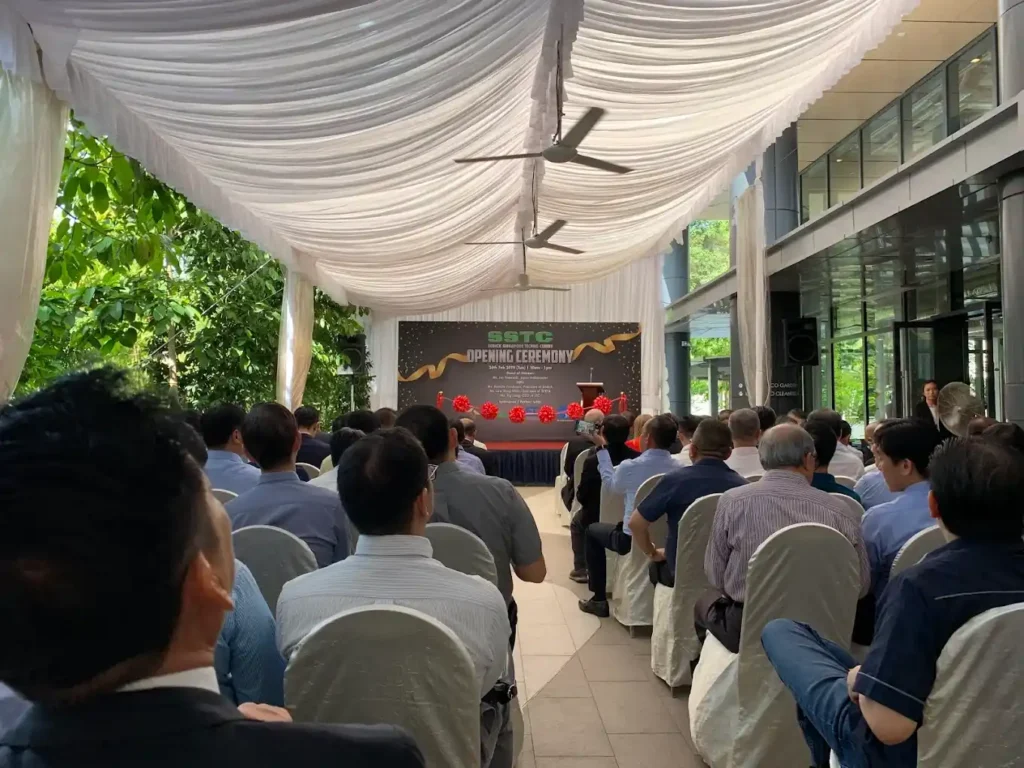
Special exhibitions related to Jurong Innovation District are hosted periodically at JTC’s exhibition spaces, including events like the Masterplan Exhibition where officials present future plans and gather public feedback. These exhibitions explore JID’s role in national economic strategy, advanced manufacturing, and sustainable urban design. Displays often feature models, multimedia presentations, and interactive zones that walk visitors through how different precincts will function, from research hubs to logistics systems.
Exhibitions at related hubs, such as the West Gate showcase, spotlight technological innovation, pilot project results, and partnerships between local and international stakeholders. Participants can learn about real-world applications of Industry 4.0 technologies, upcoming infrastructure components, and opportunities for investment or collaboration. These events are especially useful for industry professionals, academics, and students seeking deeper insights into Singapore’s innovation ecosystem and its global positioning.
Virtual Tours & Media Resources
Virtual tours and online media resources allow remote exploration of Jurong Innovation District. Through official JTC websites and digital platforms, viewers can access 3D walkthroughs, masterplan breakdowns, and conceptual videos that illustrate JID’s layout, features, and technological frameworks. These resources often include drone footage, interactive maps, and narrated tours that guide users through key precincts, such as manufacturing hubs, research clusters, and future transport corridors.
Educational materials, press releases, and downloadable presentations are also available for stakeholders wishing to understand JID’s strategic priorities. These digital tools are invaluable for international investors, researchers, and students who cannot visit Singapore but want insights into the district’s innovation landscape. Online media also covers exhibitions, public briefings, and launch events, keeping audiences updated on milestones and major developments.
Companies & Industrial Significance
Key global and local companies in JID include Hyundai Motor Group Innovation Centre Singapore, Makino, Shimano, Bosch Rexroth, and research institutes under A*STAR, contributing to advanced manufacturing and R&D excellence.
Key Companies & Global Tenants
Jurong Innovation District hosts a mix of renowned global firms and leading Singapore organisations, forming a diverse industrial base. Multinational companies such as Hyundai Motor Group Innovation Centre Singapore (HMGICS), Makino, Shimano, and Bosch Rexroth have established facilities that advance manufacturing, autonomous systems, and Industry 4.0 technologies.
These global tenants work alongside Singapore research entities like A*STAR’s Advanced Remanufacturing and Technology Centre, Singapore Institute of Manufacturing Technology, and National Metrology Centre, enriching the district’s R&D capabilities. The presence of such organisations attracts further investment and reinforces Singapore’s role as a hub for high-tech industry. Together, these tenants drive innovation, foster knowledge exchange, and support scalable solutions that benefit both local and international markets, creating a robust ecosystem with strong global ties.
Industry Clusters: Manufacturing, Logistics, Tech, R&D
Jurong Innovation District’s industrial landscape is anchored by multiple interconnected clusters that work collectively to advance Singapore’s manufacturing and technological horizons. The manufacturing cluster concentrates on precision engineering, automation, advanced fabrication, and sustainable production, supported by tenants that develop and deploy cutting-edge technologies. Complementing this is a dedicated logistics innovation cluster, which includes underground freight networks and mobility solutions that optimize supply chains and reduce surface congestion.
The technology cluster spans digital manufacturing, AI, IoT, and autonomous systems, linking startups, research labs, and multinational tech providers. R&D institutions within the district focus on foundational research, prototypes, and standards necessary for industrial transformation. These clusters are integrated physically and strategically, enabling seamless collaboration, from conceptual research and testing to commercial scaling and global deployment. This ecosystem model enhances productivity, accelerates innovation cycles, and boosts Singapore’s competitiveness in international high-tech markets.
Role in Singapore’s Innovation Ecosystem
JID significantly strengthens Singapore’s innovation ecosystem by bridging industry, research, education, and entrepreneurship within a unified physical and strategic framework. It complements other innovation precincts in the city by focusing on advanced manufacturing, deep technology, and industrial transformation, areas critical to sustaining long-term economic resilience.
By co-locating multinational corporations, local SMEs, academic institutions like NTU, and research bodies, JID fosters dynamic collaborations that generate new technologies, commercial solutions, and highly skilled talent. Its living lab concept enables real-world pilot testing of smart infrastructure, autonomous mobility systems, and sustainable manufacturing methods, accelerating time-to-market for innovations. In doing so, JID reinforces Singapore’s reputation as a global innovation hub, attracting international partners and investment, while also providing Singaporean companies with platforms to scale and compete globally.
Important Tips for Visitors & Stakeholders
Exploring Jurong Innovation District is best done through guided tours, exhibitions, and curated site visits to key precincts; contacting JTC ahead of visits ensures access to relevant information and facilities. Ensure stakeholders engage with relevant entry protocols, safety briefings, and appointments, especially when visiting operational manufacturing or research sites. Investors, businesses, and students should prepare relevant documentation or affiliations for access to labs or controlled innovation spaces. Wear appropriate protective equipment when touring industrial areas, observe designated pathways and signs, and comply with any safety instructions on site. Finally, plan visits around exhibition schedules and industry events to gain the most educational and networking value.
Safety and Navigation Tips
Safety in Jurong Innovation District is taken seriously, especially in active industrial and research areas. Visitors should always wear appropriate protective gear, such as safety glasses, closed shoes, and high-visibility vests, when entering operational sites. Follow all posted signage, obey speed limits, and remain within designated pedestrian zones to avoid interference with logistics operations or machinery.
Before touring manufacturing facilities, complete any mandatory safety briefings and adhere to instructions from onsite guides or supervisors. In research labs, avoid touching equipment unless explicitly permitted and trained to do so. Navigation around JID can involve large industrial zones, so using available wayfinding apps or district maps helps reduce confusion. When travelling between precincts, plan routes ahead of time and allow for transit time, especially if using public transport or district shared shuttles. For international visitors, verify local safety standards and emergency contacts before arrival.
Frequently Asked Questions
Where is Jurong Innovation District located?
Jurong Innovation District is situated in western Singapore, along the Jurong industrial belt near Nanyang Technological University and within Singapore’s broader Western Gateway growth area
What companies are in Jurong Innovation District?
Key tenants include Hyundai Motor Group Innovation Centre Singapore, Makino, Shimano, Bosch Rexroth, A*STAR research institutes, and other multinational and local firms focused on advanced technologies and manufacturing.
When is Jurong Innovation District expected to be completed?
JID’s development is phased over many years, with initial facilities already operational and core transport links, such as parts of the Jurong Region Line, expected by 2027, while full masterplan build-out continues into the early 2030s.
What is the purpose of Jurong Innovation District?
The district’s purpose is to create a thriving, integrated ecosystem that drives industrial innovation, advanced manufacturing, research, talent development, and sustainable economic growth.
How can I visit the Jurong Innovation District gallery?
Visits to the Jurong Innovation District gallery can be arranged through JTC’s official channels, often requiring prior registration for exhibition tours or events.
Conclusion
Jurong Innovation District represents a bold reimagining of industrial development, one where innovation, research, sustainability, and community converge. As a key pillar of Singapore’s advanced manufacturing strategy, JID fosters collaboration among global enterprises, local companies, research institutes, and educational institutions, forming a dynamic ecosystem that accelerates technological progress.
Prospective investors, students, and business leaders can engage with JID through LaunchPad initiatives, exhibitions, and strategic tours that unpack its innovation ecosystems. By blending industrial excellence with sustainability and human-centred design, Jurong Innovation District not only drives economic transformation but also serves as a model for future innovation districts worldwide.