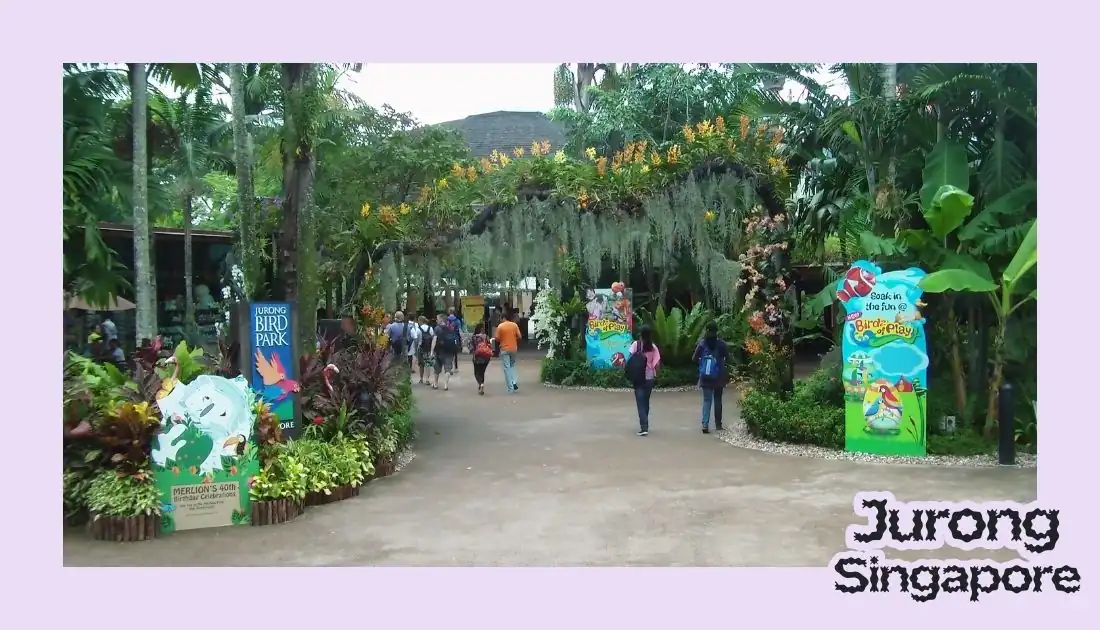
Jurong Bird Park, located in the western region of Singapore, has long been one of the city’s most iconic wildlife attractions. Opened in 1971, the park was designed to showcase the beauty and diversity of birds from around the world, making it a must-visit destination for families, tourists, and bird enthusiasts alike. Spanning over 20 hectares, it houses more than 5,000 birds representing over 400 species, including exotic parrots, flamingos, penguins, hornbills, and eagles. The park is renowned for its immersive habitats, such as the Waterfall Aviary, walk-through aviaries, and interactive bird shows, allowing visitors to get up close with the birds in a naturalistic setting. Beyond the spectacular wildlife displays, Jurong Bird Park also focuses on education and conservation, offering programs that raise awareness about the protection of endangered bird species. With dining, photo opportunities, and family-friendly attractions, it promises a memorable experience for all visitors.
Jurong Bird Park in Singapore was one of the island’s most iconic wildlife attractions for over 50 years and has now evolved into a modern new destination called Bird Paradise as part of Mandai Wildlife Reserve. It continues the legacy of immersing visitors in the avian world with larger habitats, richer experiences, and even more spectacular encounters with feathered species from around the globe.
History and Significance of the Park
Jurong Bird Park first opened on 3 January 1971, born from the vision of Singapore’s late Finance Minister Goh Keng Swee, who was inspired by a free‑flight aviary he saw overseas. The park was built on Jurong Hill and quickly became a beloved destination for locals and tourists alike. At its peak, it held around 5,000 birds from over 400 species, making it one of the largest bird parks in the world.
For more than five decades, the park was renowned for its immersive walk‑in aviaries, such as the massive Waterfall Aviary featuring one of the tallest artificial waterfalls in a bird habitat, as well as themed zones like Penguin Coast, Lory Loft, Pelican Cove and elaborate bird shows like the High Flyers Show and Kings of the Skies.
In 2023, Jurong Bird Park officially closed and transitioned into Bird Paradise at Mandai Wildlife Reserve, a larger integrated wildlife destination alongside Singapore Zoo and Night Safari. This new evolution enhances interactive experiences and conservation education while preserving the spirit of Jurong Bird Park.
Tickets & Entry Information
Planning your visit starts with understanding the ticketing and entry details, including discounts and promotions, especially if you’re travelling from abroad or are a senior visitor.
Ticket Prices & Discounts
Bird Paradise operates as a standalone park with entry tickets available both online and at the gate. Prices vary between local residents and non‑residents, with online booking offering the best savings.
Typical Prices (Singapore Dollars, approximate)
Adult (13+): ~S$32 at gate, lower online
Child (3–12): ~S$21 at gate, lower online
Senior (60+): ~S$15 (Singapore resident rate)
Children under 3: Free entry with adult companion.
These prices are estimated and can change with seasons, public holidays, or promotions. Buying tickets online often yields discounts up to 20% off and helps you skip queues at busy times.
Senior Citizen Discounts
Senior discounts are generally available for Singapore citizens and permanent residents aged 60 years and above, with proof of ID required at the ticket counter.
Promotions & Offers
Mandai Wildlife Reserve frequently runs promotions, especially for residents or WildPass members. For example, past promotions have included bundle offers and discounted entry during seasonal campaigns. WildPass holders may also get 20–30% off tickets or dining experiences.
Attractions & Features
Bird Paradise is an ornithologist’s dream and a family favourite thanks to its immersive habitats and engaging shows.
Walk‑Through Aviaries
Jurong Bird Park’s walk-through aviaries offer visitors a truly immersive experience, allowing you to be surrounded by free-flying birds in habitats that mimic their natural environments. These spaces are meticulously designed with lush vegetation, waterfalls, and carefully curated landscapes to provide a realistic tropical or aquatic setting. Visitors can stroll along elevated walkways, cross bridges, and even feed certain birds under the supervision of park staff. The sense of being part of a living ecosystem is unmatched, making it perfect for close encounters with exotic species and providing a fantastic opportunity for educational experiences and unforgettable photographs.
Walk‑Through Aviaries
Amazonian Jewels: Tropical forest vibes with colourful species.
Lory Loft: A multi‑level aviary where friendly lorikeets may fly near you, ideal for feeding and photos.
Penguin Cove: A climate‑controlled exhibit showcasing different penguin species.
Bird Shows & Interactive Sessions
Bird Paradise hosts multiple daily shows and interactive sessions that educate and entertain simultaneously. Keepers present a variety of birds, demonstrating flight patterns, natural behaviors, and even unique skills, highlighting the intelligence and adaptability of each species. Feeding demonstrations allow visitors to see how birds forage and interact socially. These sessions are ideal for families, offering engaging storytelling and educational commentary suitable for all ages. They provide an interactive platform to learn about avian biology, habitats, and conservation efforts, while giving photographers the chance to capture spectacular action shots of birds in flight or engaging with keepers.
Photo & Observation Points
Photographers and casual visitors alike will find numerous ideal spots to capture stunning memories. Popular locations include the flamingo lagoons, where the vivid pink birds contrast beautifully with the greenery, and suspended walkways that provide birds-eye views of free-flying species. Underwater viewing panels at Penguin Cove offer unique perspectives of penguins swimming, while elevated platforms in aviaries allow for panoramic shots of entire habitats. These areas are strategically designed to balance accessibility with minimal disturbance to the birds, ensuring visitors can take professional-quality photographs while still respecting animal welfare and conservation principles.
Play Areas
For families with children, Bird Paradise provides dedicated play zones like Egg Splash and Treetops Play, located near dining and rest areas. These areas are safe, shaded, and designed to stimulate both physical activity and imagination, incorporating bird-themed play structures, water features, and climbing elements. Play zones give children a break from walking while remaining within sight of parents. Interactive elements often include educational signage about birds, allowing kids to learn while having fun. By combining leisure, learning, and active play, the park ensures a well-rounded experience that entertains children, keeps families engaged, and complements the immersive wildlife encounters throughout the park.
Dining & Facilities
Spending a full day at Bird Paradise is more enjoyable with quality dining and convenient facilities. The park and Mandai Wildlife West area offer several choices.
On‑Site & Inside Bird Paradise
While eating inside the park requires entry, you’ll find a variety of options:
Crimson Restaurant – A standout, flamingo‑themed all‑day dining restaurant with lush wetlands views and the waterfall backdrop. Menu includes all‑day breakfast, regional dishes, and seasonal specialities.
Food Central – Family‑friendly food hall with local and international choices.
Bird Bakery – Snacks, pastries, coffee and light bites perfect for quick breaks.
Egg Splash Café – Refreshing quick eats near kids’ play areas.
Tram Kiosk – Ice creams and drinks near key viewing points.
Picnic & Family Areas
Jurong Bird Park offers several thoughtfully designed picnic and family areas that provide visitors with a comfortable place to rest, relax, and enjoy a meal amid the natural beauty of the park. These areas include sheltered seating zones, shaded lawns, and open spaces where families can spread out picnic mats or enjoy snacks purchased from the park’s cafés and kiosks. The spaces are strategically located near popular attractions, allowing parents to keep an eye on children while taking a short break. Many picnic spots also feature benches, tables, and water fountains, ensuring convenience during longer visits. Visitors are encouraged to check park rules regarding outside food, as some areas may have restrictions to ensure cleanliness and safety. These picnic and family zones make Bird Park an ideal destination for a full-day outing, allowing guests to combine wildlife exploration with leisurely dining in a scenic, family-friendly environment.
Aquatic & Coastal Bird Exhibits
Jurong Bird Park featured several exhibits inspired by coastal and marine environments, showcasing species adapted to swimming, diving, and shoreline habitats. These areas replicated natural ecosystems such as cold-water coasts, tropical lagoons, and rocky shorelines, allowing visitors to observe unique feeding and movement behaviors up close. The exhibits emphasized environmental realism through the use of controlled climates, wave-generating pools, and themed viewing platforms. Educational signage highlighted topics such as marine conservation, climate impacts, and the ecological roles of seabirds in ocean ecosystems. Together, these aquatic and coastal displays provided a dynamic blend of learning and immersive wildlife experiences for guests of all ages.
Penguin Coast
African penguins enjoy an outdoor pool designed to replicate a South African coastline, complete with artificially created waves to simulate their natural environment. Inside a climate-controlled enclosure, gentoo penguins, Humboldt penguins, king penguins, and northern rockhopper penguins thrive at temperatures maintained between 10–15 °C (50–59 °F). The habitat includes a visually striking Portuguese galleon facade, giving visitors the feeling of exploring a coastal scene. Educational signage and regular feeding demonstrations allow visitors to learn about penguin behavior, diets, and conservation. This exhibit highlights the park’s commitment to creating realistic, animal-friendly environments while providing visitors with interactive and photogenic experiences.
Flamingo Pool
Visitors could observe the birds’ striking pink plumage, synchronized movements, and social interactions. The park also ensured proper breeding conditions, encouraging natural mating behaviors, making this exhibit both educational and visually captivating. Feeding sessions allowed guests to watch flamingos use their specialized beaks to filter-feed, giving insight into their unique biology. This habitat became a popular photography spot due to the flamingos’ vibrant colors against the water and greenery. Over time, the Flamingo Pool contributed to the park’s reputation for maintaining large, healthy flocks in environments that balance aesthetics, animal welfare, and visitor engagement.
Flamingo Lake
Flamingo Lake featured a large flock of greater flamingos, successfully breeding since 1972. This expansive habitat replicated a tropical lagoon, complete with shallow waters and surrounding vegetation. The large group allowed visitors to witness social behaviors, courtship displays, and parenting routines in a naturalistic setting. The lake’s design encouraged free movement, providing space for swimming, preening, and group interaction, creating dynamic photo opportunities for bird enthusiasts. Educational panels explained flamingo diet, habitat, and conservation challenges, emphasizing the importance of protecting wetland ecosystems.
Wings of Asia
Wings of Asia housed 500 birds from 135 species, focusing on the rich diversity of the Asian continent. This aviary provided a safe and naturalistic environment for rare and endangered birds, including Bali mynas, black-winged starlings, Edwards’s pheasants, Malayan peacock-pheasants, Mindanao bleeding-hearts, Santa Cruz ground doves, and straw-headed bulbuls. Visitors could observe breeding programs that helped conserve threatened species, while informative signage offered insights into ecology and conservation efforts.
Heliconia Walk
The Heliconia Walk featured the largest collection of Heliconia plants in Southeast Asia, with over 167 species cultivated throughout the park. This vibrant botanical trail intertwined with various aviaries, housing a wide variety of rare and endangered birds. The combination of colorful heliconia flowers and birdlife created a stunning visual and photographic experience. Birds such as tropical finches, hornbills, and starlings were observed feeding, nesting, and interacting in naturalistic environments.
Nearby Activities
While Bird Paradise is a full‑day commitment on its own, the surrounding Jurong and Mandai areas offer additional experiences.
Prawning & Outdoor Activities
Prawning isn’t directly within Bird Paradise, but in Singapore, prawning is a popular leisure activity found in outdoor venues near Jurong and western Singapore, perfect for ending a day of bird watching with casual fun and fresh seafood. (Note: specific spots must be located via local listings.)
Other Jurong Attractions
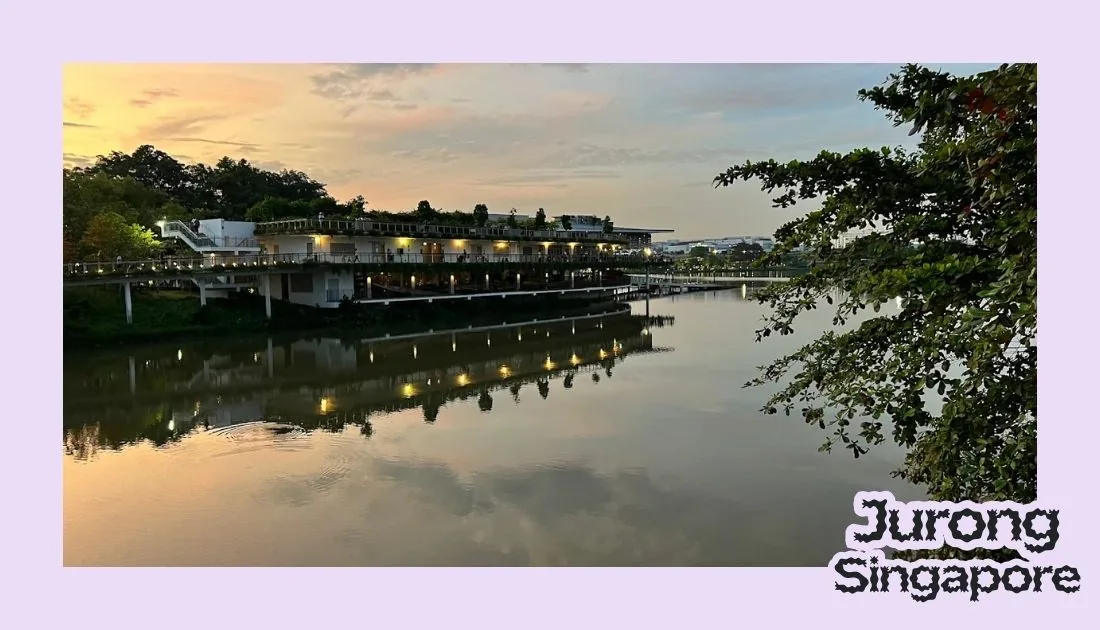
Canopy Jurong Lake Gardens – Nearby outdoor gardens with waterfront views and dining.
Taman Jurong Market & Food Centre – Local hawker experience with affordable eats post‑visit.
Sampanman Kelong Jurong – Seafood dining near waterways.
Boon Lay Dining & Entertainment
The Boon Lay region near the old Jurong Bird Park site still offers popular choices like:
Bok’s Kitchen by Hidden Chefs
Rasa Istimewa Restaurant @ Safra Jurong
Springleaf Prata Place (SAFRA Jurong)
Boon Lay Place Food Village
How to Get to Jurong Bird Park
By MRT & Bus One of the easiest ways to reach Jurong Bird Park is using Singapore’s public transport system. Take the East–West MRT Line (Green Line) to Boon Lay MRT Station (EW27). From the station, walk to the nearby Boon Lay Bus Interchange, then board Bus No. 194, which goes directly to Jurong Bird Park’s entrance.
By Bus Directly In addition to regular public buses, there are tourist shuttle services (e.g., Safari Gate buses) that provide direct transport from central locations like Suntec City to Jurong Bird Park for a one-way or return fare — convenient if you want a hassle-free trip without switching vehicles.
By Taxi or Ride-Hailing Taxis and ride-hailing services (such as Grab) are available throughout Singapore and can take you straight to Jurong Bird Park. A typical trip from central Singapore takes about 25–30 minutes by car, depending on traffic.
Frequently Asked Questions
What is the Bird Paradise/Jurong Bird Park ticket price?
Ticket prices vary by age and residency status, with adults typically around S$32 at the gate, children cheaper, seniors ~S$15, and free entry for toddlers under 3. Online bookings often have discounted rates.
What are the opening hours?
Bird Paradise usually operates from 9:00 AM to 6:00 PM daily with last entry around 5:00 PM.
Is there parking available?
Yes, the park site offers ample on‑site parking. Parking charges are usually pay‑as‑you‑exit and often affordable (around SGD 0.60 per 30 minutes), though rates vary so check signage on arrival.
How do I get there from Boon Lay Interchange?
Take MRT East‑West Line to Boon Lay (EW27), then connect to Bus 194 that stops right at the park entrance. Taxis or ride‑hailing services are faster but cost more.
Are there dining options inside the park?
Yes, from casual cafés like Bird Bakery and Penguin Cove Café to sit‑down dining like Crimson Restaurant, Bird Paradise offers a range of food options for all tastes and budgets.
Conclusion
Jurong Bird Park, now evolving into Bird Paradise, remains one of Singapore’s most treasured wildlife attractions, offering visitors a unique opportunity to explore the vibrant world of birds up close. From walk-through aviaries like Lory Loft and Amazonian Jewels to climate-controlled exhibits such as Penguin Cove, the park combines education, conservation, and entertainment seamlessly. Bird shows, interactive sessions, and dedicated photo spots ensure that every visitor, whether a family, photographer, or bird enthusiast, enjoys an engaging and memorable experience.
Dining options and picnic areas enhance the comfort of a full-day visit, while play zones keep younger guests entertained. Beyond the immediate attractions, the park emphasizes wildlife conservation and environmental awareness, making each visit meaningful as well as enjoyable. Whether you’re seeking breathtaking photo opportunities, hands-on interactions with exotic species, or a leisurely family outing, Jurong Bird Park continues to provide a one-of-a-kind experience that celebrates the beauty and diversity of the avian world.