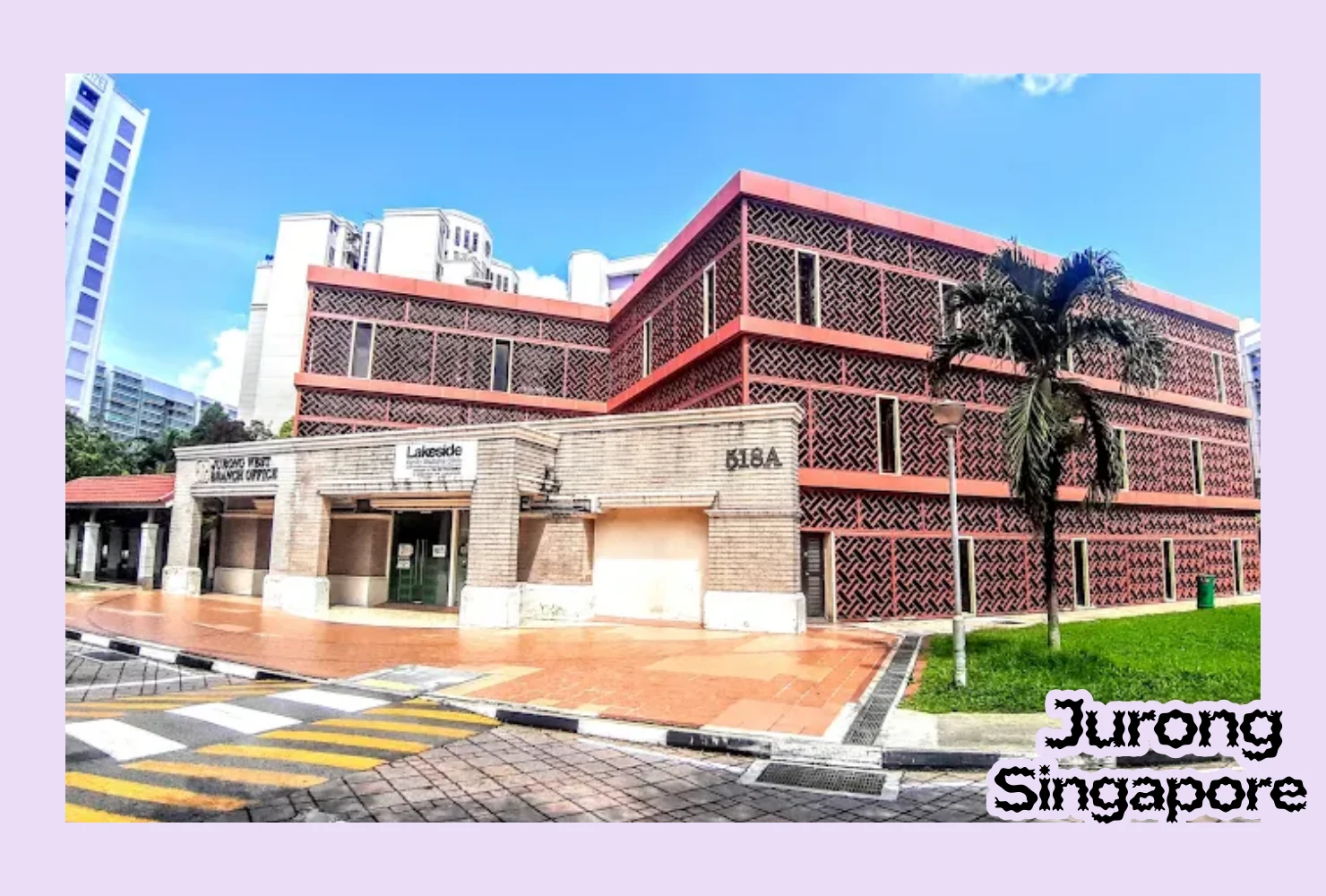
Jurong Secondary School is one of the well-established government secondary schools serving the Jurong area, known for its strong emphasis on academic performance, community values, and holistic student development. For decades, the school has played a key role in nurturing students with strong character, discipline, and leadership skills, preparing them not only for examinations but also for life beyond the classroom. Situated in an accessible part of western Singapore, the school attracts families living in Jurong, Jurong West, and nearby residential estates seeking a balanced educational experience for their children.
This comprehensive guide is suitable for parents, prospective students, and Singapore residents planning secondary school options within the Jurong region. Families new to the area will find this especially helpful, as it provides clarity on school culture, programs, entry requirements, CCAs, and feedback. Choosing the right secondary school in Jurong is important for both academic progression and personal growth, and Jurong Secondary School stands out as a key contender for many. This guide aims to help families understand whether the school aligns with their child’s learning style, career aspirations, and developmental needs, while also offering insights into the broader schooling environment in the west. Students looking to build additional skills can explore programmes offered at The Yard Jurong gymnastics centre.
Jurong Secondary School was established to serve the growing population in western Singapore, particularly in Jurong East and nearby residential areas. From its inception, the school has focused on nurturing well-rounded students who excel academically while developing strong character and leadership skills. Its mission emphasizes holistic education, discipline, respect, and a commitment to lifelong learning. Over the years, Jurong Secondary has expanded its academic streams, co-curricular programmes, and enrichment opportunities to cater to diverse student needs. By fostering collaboration among teachers, parents, and the community, the school ensures that students are supported academically, socially, and emotionally. This mission aligns with Singapore’s broader educational goals of preparing young citizens to thrive in a dynamic, multicultural society, instilling both knowledge and values that contribute to personal growth and societal development.
Educational Philosophy
Jurong Secondary School’s educational philosophy centres on nurturing the whole student, academically, socially, and morally. The school believes that education should go beyond examinations, focusing on developing critical thinking, creativity, and interpersonal skills. Teachers employ differentiated instructional strategies to accommodate varying learning styles, ensuring each student reaches their potential. Character development, resilience, and responsibility are emphasised through both classroom activities and school-wide programmes. Leadership opportunities, collaborative projects, and community engagement initiatives encourage students to become confident, compassionate, and socially aware individuals. By balancing academic rigour with personal growth, Jurong Secondary prepares students for future education pathways and lifelong learning, ensuring they can navigate challenges and contribute meaningfully to society. Families often gather at nearby community spaces like McDonald’s at Jurong Central Park after school events.
Why Jurong Secondary School Is Highly Regarded
Jurong Secondary School is highly regarded for its strong academic performance and commitment to holistic education. The school emphasizes both core subjects and character development, ensuring students grow intellectually and personally. Its wide range of co-curricular activities, including sports, arts, and uniformed groups, helps cultivate leadership, teamwork, and confidence. With structured programmes for high achievers and support for those who need extra help, the school maintains a balanced and nurturing environment. This combination of academic rigor and personal growth makes it a trusted choice for families in the Jurong area.
Academic Achievements
Jurong Secondary School has consistently demonstrated strong academic performance within its cohort, reflecting a balance between rigorous teaching and effective student support. The school offers a range of academic streams and subject combinations, allowing students to pursue areas that match their strengths and interests. Dedicated teachers provide targeted guidance, remedial support, and enrichment programmes to ensure students achieve their full potential.
Over the years, students have performed well in national examinations, with many gaining admission to reputable post-secondary institutions. Recognition of academic excellence is supplemented by awards, scholarships, and competitions, highlighting both individual and collective achievements. Parents and educators often cite the school’s structured approach, disciplined environment, and commitment to lifelong learning as key reasons for its strong reputation. By combining academic rigour with personalised guidance, Jurong Secondary ensures students are well-prepared for future educational and career pathways.
Holistic Development Approach
Holistic development is a cornerstone of Jurong Secondary School’s approach to education. Beyond academics, the school emphasises co-curricular activities, leadership training, character development, and community engagement. Students are encouraged to explore their interests through sports, performing arts, clubs, and uniformed groups, fostering a balance between intellectual, physical, and emotional growth. Leadership programmes and mentorship initiatives help students develop organisational, teamwork, and problem-solving skills.
Social-emotional learning is embedded in school routines and enrichment activities, equipping students with resilience, empathy, and adaptability. By nurturing multiple dimensions of development, Jurong Secondary ensures that students are not only academically competent but also socially responsible, confident, and well-rounded individuals. This comprehensive approach prepares learners to thrive in diverse environments and contribute positively to society while building strong foundations for lifelong success.
Role in the Jurong Community
Jurong Secondary School plays a meaningful role in the wider Jurong community through collaborative activities, volunteer initiatives, and partnerships with local organizations. Students participate in community service programmes, outreach events, and neighborhood projects that encourage responsibility and active citizenship. Through these engagements, the school strengthens ties with residents, grassroots groups, and community institutions. Beyond academic development, Jurong Secondary contributes to the west’s community identity by nurturing youths grounded in cultural values, sportsmanship, and civic consciousness. These efforts help students understand their role in society and build a sense of belonging to the community they serve.
School Culture & Values
Jurong Secondary School’s culture is rooted in discipline, respect, and a shared commitment to learning and personal growth. Students are encouraged to uphold school values such as integrity, responsibility, perseverance, and teamwork in daily activities. A positive learning environment is fostered through collaborative teaching, peer mentoring, and student-led initiatives that promote accountability and mutual support. Traditions, assemblies, and school-wide events reinforce a sense of identity and pride, strengthening cohesion among students and staff. Teachers and staff actively model the values they wish to instil, creating an atmosphere of guidance and encouragement. This culture nurtures not only academic achievement but also character formation, ensuring students graduate as conscientious individuals equipped with the skills and attitudes necessary for further education, career success, and active participation in society. Swimming lessons are also available through Happy Fish Swim School in Jurong.
Academic Performance & Cut-Off Points
Subject Strengths
Jurong Secondary School demonstrates consistent strengths in subjects like Mathematics, English, Combined Humanities, and Science, supported by structured curriculum planning and remedial programs.
Recent Performance Trends
Performance trends show stable outcomes and a positive proportion of students qualifying for JC, Poly, and ITE, depending on their chosen pathways.
Understanding Admission Cut-Off Points
The cut-off point (COP) for Jurong Secondary School varies yearly depending on PSLE performance and school demand. Families often check posting data to determine realistic admission chances.
Subject Strengths
Jurong Secondary School is known for strong performance in Mathematics, Science, English, and Humanities subjects. Specialized programmes and enrichment classes help students excel in both theoretical understanding and practical application.
Recent Performance Trends
The school’s recent academic performance has shown steady improvement across key subjects. Consistent results in national examinations indicate effective teaching methods and strong student engagement. Academic support initiatives, such as remedial lessons, peer tutoring, and enrichment programmes, have contributed to higher pass rates and improved grades. Performance trends highlight the school’s ability to cater to diverse learning needs, ensuring both high-achieving and average students can progress successfully. Recognition in competitions, science fairs, and national assessments underscores Jurong Secondary’s commitment to academic excellence while maintaining a supportive environment.
Understanding Admission Cut-Off Points
Admission to Jurong Secondary School is guided by Ministry of Education (MOE) cut-off points, which reflect academic readiness for different streams. These points are reviewed annually based on student performance and intake demand. Parents and students should note that meeting the cut-off is essential but not the only factor considered; holistic factors, such as co-curricular involvement, character, and school fit, also play a role. Understanding cut-off points helps families make informed decisions and plan secondary school applications strategically. It also allows students to identify areas for improvement and focus on core subjects to meet admission requirements. Jurong Secondary School’s cut-off points are competitive within the western region, reflecting the school’s strong academic reputation and consistent performance.
Co-Curricular Activities (CCA)
Jurong Secondary School offers a wide range of co-curricualar activities designed to develop students’ talents, leadership, and teamwork skills. CCAs include sports teams, performing arts groups, uniformed organisations, and various clubs, providing platforms for students to explore interests beyond the classroom. Participation in CCAs promotes discipline, collaboration, and resilience, while helping students discover new skills and passions. Regular competitions, performances, and exhibitions allow students to apply their learning in real-world contexts, fostering confidence and a sense of achievement. Through CCAs, the school encourages holistic development and provides opportunities for students to contribute meaningfully to school life and the wider community. Parents may also want to explore cafés listed in this Jurong West coffee and brunch guide.
CCA Programmes & Student Development
Jurong Secondary’s CCA programmes are structured to enhance personal growth, leadership, and teamwork. Students take on responsibilities in managing activities, organising events, and mentoring peers. Sports teams build physical fitness and strategic thinking, arts groups foster creativity and self-expression, while uniformed groups instil discipline and civic responsibility. Clubs focused on science, media, or community service allow students to pursue specialised interests, explore problem-solving, and contribute to meaningful projects. By actively participating in CCAs, students develop resilience, collaboration, time management, and interpersonal skills, which complement their academic learning. The holistic experiences gained through CCAs ensure that students graduate not only with strong academic foundations but also as confident, socially aware, and well-rounded individuals.
Participation in CCA
Participation in CCAs provides students with numerous benefits beyond skill acquisition. It encourages social interaction, teamwork, leadership, and self-discipline. Students gain confidence through performances, competitions, and community projects, while learning to manage responsibilities alongside academic commitments. CCAs also foster time management, goal-setting, and problem-solving skills, helping students navigate challenges effectively. Engaging in diverse activities nurtures personal interests, promotes physical well-being, and builds resilience. Moreover, involvement in CCAs strengthens students’ sense of belonging and school identity, creating positive school experiences that enhance overall motivation and engagement. Through these programmes, Jurong Secondary equips students with the values, skills, and experiences necessary for success in both post-secondary education and future life endeavours.
School Uniform & Identity
Uniform Types & Rules
The uniform typically includes standard tops and bottoms for daily wear, plus separate PE attire for sports. Grooming standards align with MOE regulations.
How Uniform Supports School Culture
Uniforms promote unity, discipline, and pride, reinforcing a cohesive school identity across levels.
Traditions, School Song & Spirit
School Traditions
Annual celebrations, leadership ceremonies, and school events contribute to school spirit and student belonging.
Meaning of the School Song
The school song highlights perseverance, unity, and commitment to excellence — values deeply embedded in campus culture.
Reviews, Reputation & Parent Feedback
Feedback from parents and students often highlights strong teacher dedication, balanced development opportunities, and supportive campus culture. Many appreciate that the school does not focus solely on academics but also values character and resilience.
Location & Nearby Secondary Schools
Families comparing schools may also look at other secondary schools in Jurong or near Jurong West such as:
Jurong West Secondary School
Hua Yi Secondary School
Yuhua Secondary School
Yuan Ching Secondary School
Frequently Asked Questions
Is Jurong Secondary School a good school?
Yes, it is well-regarded for community values, student support, and balanced development.
What is the cut-off point for Jurong Secondary School?
Cut-off points vary yearly during the Secondary 1 Posting Exercise.
What CCAs are available?
Sports, clubs, arts groups, and uniform groups are offered.
What uniform does the school use?
Standard school attire plus PE uniform for physical activities.
Which are the best secondary schools in Jurong?
Options include Jurong Secondary School, Hua Yi Secondary, and Yuan Ching Secondary depending on priorities.
Conclusion
Jurong Secondary School remains a compelling choice for families who prioritize academic stability, supportive school culture, and meaningful developmental opportunities for their children. The school adopts a balanced approach to education, ensuring that academic expectations are clear while student well-being and character values are not overlooked. Teachers and school leaders are known for promoting consistency, discipline, and guidance, which helps students build strong learning habits and confidence as they progress through lower and upper secondary levels.
Beyond academics, the school offers a structured range of CCA programs that cater to sports, uniformed groups, performing arts, and clubs. These platforms allow students to discover personal interests, develop leadership qualities, and gain exposure to competitions and community engagements. Such experiences contribute to broader life skills that extend beyond the classroom.