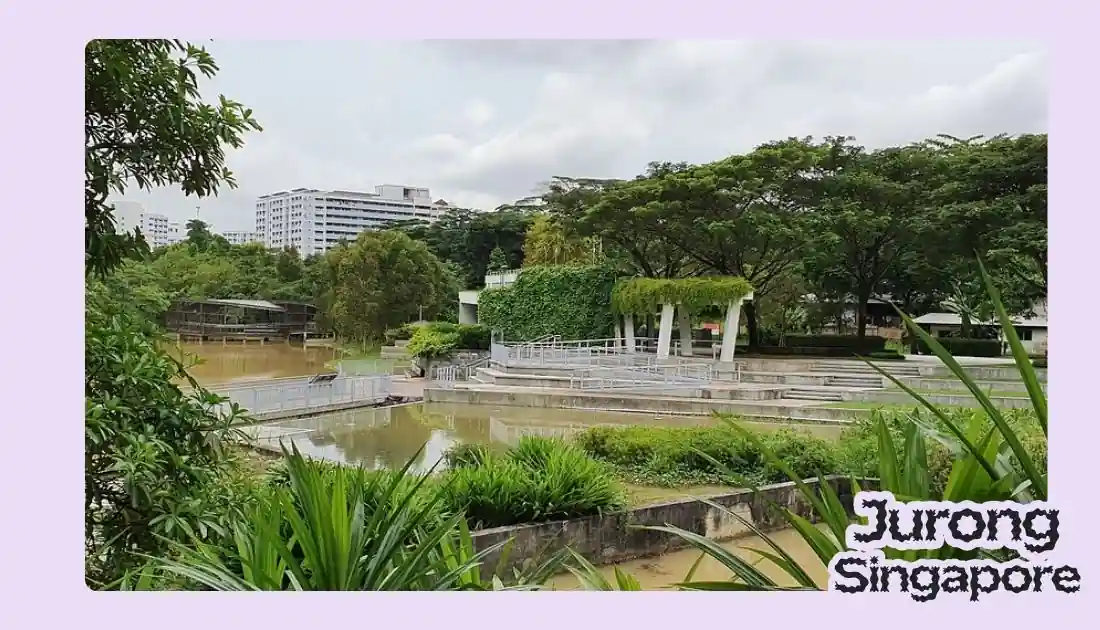
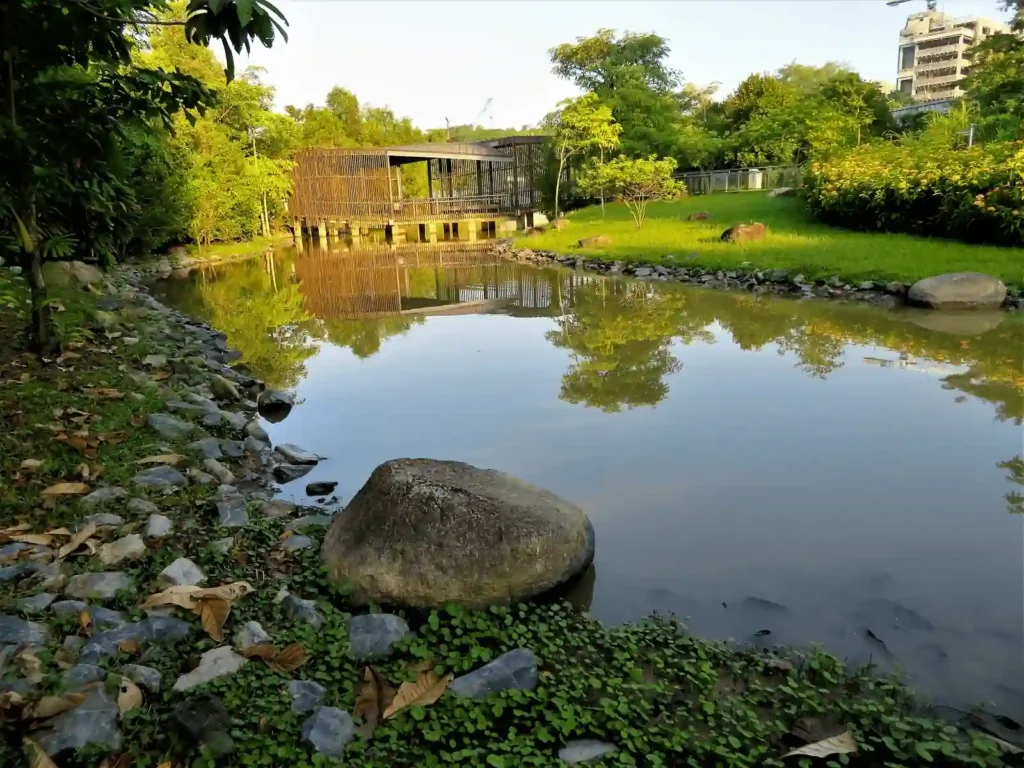
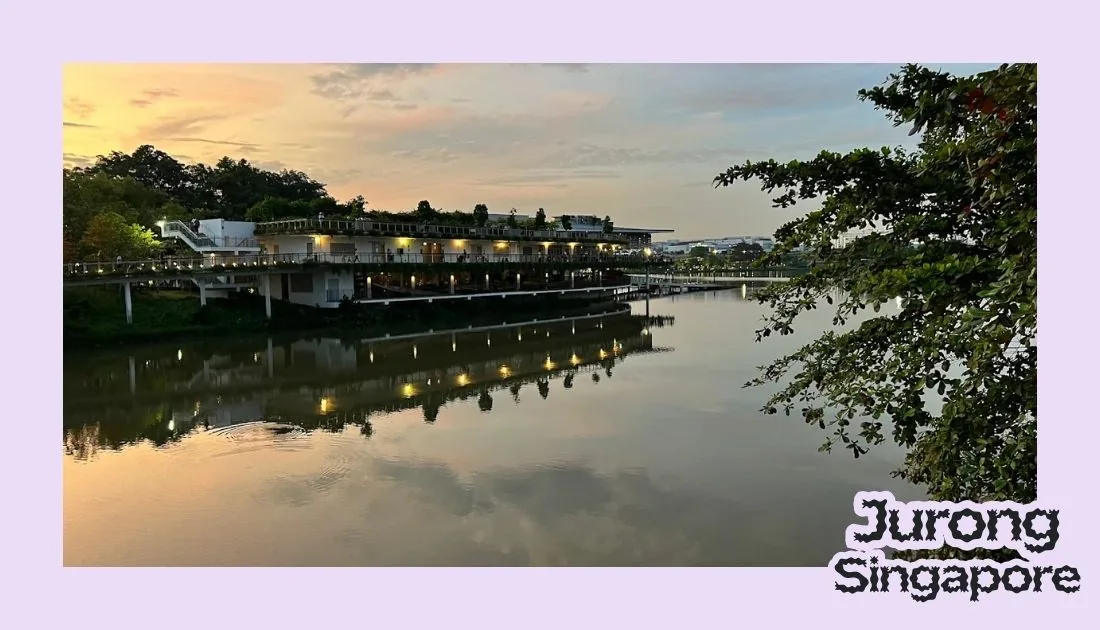
Jurong Eco Garden is a tranquil nature space in western Singapore designed to showcase ecological restoration, biodiversity, and sustainable landscape design within an urban setting. Tucked beside industrial and educational zones, the garden offers visitors a refreshing contrast of wetlands, forest patches, grasslands, and ponds that support rich plant and animal life. Boardwalks and gravel paths guide walkers through different habitats, encouraging quiet observation and appreciation of nature.
The garden is popular with birdwatchers, students, photographers, and residents seeking a peaceful outdoor escape. Informational signs explain ecological features and conservation ideas, turning a simple walk into a learning experience. Jurong Eco Garden demonstrates how thoughtful design can rehabilitate land, manage storm water naturally, and create habitats for wildlife in a dense city. Its calm atmosphere, layered greenery, and educational value make it a meaningful destination for anyone interested in sustainability and urban ecology.
Jurong Eco Garden was developed as part of efforts to integrate ecological principles into urban landscapes in the Jurong area. The site, once affected by development and industrial activity nearby, was transformed into a rehabilitated green space with wetlands and native planting. Landscape planners designed the garden to serve both environmental and educational purposes—restoring habitats while demonstrating sustainable water and land management. Over time, natural succession allowed birds, insects, and small animals to return, enriching the ecosystem.
The garden’s layout reflects careful planning of ecological zones that mimic natural environments found in Singapore. Its proximity to schools and institutions made it an ideal outdoor classroom for environmental learning. Today, Jurong Eco Garden stands as a living example of how urban spaces can be reimagined to support biodiversity, conservation awareness, and peaceful recreation for the community.
Wildlife & Nature
Jurong Eco Garden hosts a surprising diversity of wildlife across its compact habitats. Visitors often spot birds resting near ponds and trees. Butterflies and dragonflies are common around wetland edges. Small reptiles and amphibians thrive in shaded, moist areas. Native trees provide shelter and nesting spots. Grassy patches attract insects and ground-feeding birds. The quiet setting encourages natural animal behavior. Each visit offers different sightings depending on time and season.
Birds and Other Wildlife to Spot
Jurong Eco Garden is a haven for birdwatchers and nature enthusiasts, offering opportunities to observe a wide variety of species in a compact space. Visitors frequently spot herons, kingfishers, sunbirds, bulbuls, and tailorbirds moving among trees and shrubs. Wetlands and ponds attract pond herons, egrets, and other wading birds foraging for food, while flowering plants draw nectar-feeding species and butterflies.
Dragonflies hover over water bodies, signaling healthy wetland ecosystems. Occasionally, monitor lizards bask along trails, and frogs hide among aquatic plants, adding to the garden’s biodiversity. Squirrels are commonly seen moving across tree canopies, and grassland patches support numerous insects and small invertebrates. The variety of habitats wetlands, forested areas, and open spaces, makes wildlife observation accessible without long hikes. Early mornings and late afternoons are ideal for sightings, as animals are most active during these cooler, quieter periods of the day.
Flora and Ecological Zones within the Garden
Jurong Eco Garden is carefully designed with distinct ecological zones, including wetlands, secondary forests, grasslands, and pond edges, each supporting specific plant and animal communities. Native trees and shrubs form the backbone of the planting palette, attracting birds, insects, and pollinators. Aquatic plants along ponds help stabilize banks, filter water naturally, and provide habitats for amphibians and invertebrates. Shaded forest patches create cooler microclimates and produce leaf litter that enriches soil biodiversity, while open grasslands allow sunlight-loving species to thrive.
The zones are arranged to replicate natural transitions observed in wild habitats, providing continuity for wildlife movement and ecological processes. Informational signage throughout the garden educates visitors on the role of each plant group and its contribution to the ecosystem. With year-round greenery and seasonal flowering cycles, the garden combines ecological functionality with visual appeal, offering both educational and recreational value for all visitors.
Water Quality
Water in the garden’s ponds is maintained naturally through filtration by aquatic plants and soil layers. These plants absorb excess nutrients, trap sediments, and reduce pollutants, keeping the water clear and supporting a balanced ecosystem. Minimal use of chemicals allows fish, insects, amphibians, and birds to thrive in a healthy environment. Natural filtration also encourages microbial activity that further breaks down organic matter, contributing to overall water quality. Regular maintenance ensures that water levels and vegetation remain optimal for wildlife. This approach not only sustains aquatic habitats but also provides visitors with a clean, visually appealing environment for observation and learning.
Pond Features
Jurong Eco Garden’s ponds are designed with varying depths and edge profiles to accommodate diverse aquatic species. Gentle slopes provide safe access for animals, including frogs, birds, and small mammals. Some ponds include shallow zones for wading birds and deeper sections for fish and turtles. Boardwalks and viewing platforms allow visitors to observe aquatic life closely without disturbing habitats, balancing ecological protection with educational opportunities. Planting along pond edges provides shelter and feeding areas for wildlife. The design promotes biodiversity while offering visitors insight into natural water ecosystems, making the ponds both functional and informative.
Storm Water Management
The garden demonstrates effective storm water management using wetlands and retention ponds. Rainwater is captured and allowed to flow slowly through vegetated areas, which filter sediments and absorb nutrients before entering the drainage system. This natural process reduces flood risks in surrounding areas while maintaining water levels for the garden’s ecosystems. Wetlands act as temporary storage and treatment zones, supporting plants and animals by providing clean water and habitat. The integration of storm water management with ecological design also serves an educational purpose, showing visitors how sustainable landscapes can control runoff, protect water quality, and support biodiversity in urban and natural settings.
Sustainability & Eco Features
The garden uses native plants requiring minimal maintenance. Wetlands clean water naturally without heavy infrastructure. Paths are designed to reduce soil erosion. Habitats are created instead of ornamental landscaping. Recycled and natural materials are used in structures. The design supports biodiversity within a small footprint. Water conservation is built into the landscape. It serves as a model for eco-friendly urban spaces.
Eco-Friendly Landscaping & Water Management
Jurong Eco Garden showcases eco-friendly landscaping and sustainable water management practices that minimize environmental impact while supporting biodiversity. Native plants are used extensively, thriving in local climate conditions with minimal watering or fertilizers, reducing resource consumption and maintenance needs. Wetland systems serve as natural filtration zones, cleaning pond water and providing habitats for aquatic and semi-aquatic wildlife.
Permeable pathways allow rainwater to seep into the soil, replenishing groundwater and maintaining soil moisture naturally. The garden avoids conventional manicured lawns, instead creating functional habitats that support birds, insects, and small mammals.
Nature-based solutions are integrated throughout, reflecting cleantech principles by using ecological processes rather than heavy engineering for water management and habitat creation. These sustainable practices not only conserve water and energy but also enhance educational and recreational value, demonstrating how urban green spaces can combine aesthetics, functionality, and environmental responsibility in a low-impact, self-sustaining design.
Significance of Eco Design in Urban Singapore
In densely populated Singapore, eco design demonstrates that urban living and biodiversity can coexist harmoniously. Jurong Eco Garden exemplifies how thoughtfully planned green spaces provide multiple benefits, combining environmental, recreational, and educational functions in a single setting. Vegetation and wetlands reduce urban heat, improve air quality, and manage stormwater naturally, mitigating flooding and sustaining local ecosystems. The garden also supports diverse wildlife, offering habitats for birds, insects, amphibians, and small mammals, enriching urban biodiversity.
Beyond ecological benefits, eco design creates tranquil retreats for residents, promoting mental well-being and community engagement. By integrating sustainable landscaping, water-sensitive features, and functional habitats, the garden highlights the role of nature-based solutions in city planning. Jurong Eco Garden serves as a model for urban green spaces that balance human needs with environmental stewardship, demonstrating how sustainable design principles can enhance quality of life in Singapore’s built environment.
Tips for Visiting Jurong Eco Garden
Jurong Eco Garden is open to the public, offering well-maintained walking paths, boardwalks, and resting spots for visitors to explore the area at a leisurely pace. The garden maintains a natural atmosphere with no commercial facilities inside, allowing wildlife and plants to thrive undisturbed. Visitors are encouraged to keep noise levels low, avoid touching or feeding animals, and respect plant habitats to preserve the ecosystem. Given the outdoor setting, wearing comfortable footwear is recommended for walking along trails, and bringing water bottles helps stay hydrated during visits. The garden is suitable for casual strolls, birdwatching, and nature photography. Its design ensures a safe, accessible, and educational experience for families, students, and nature enthusiasts while emphasizing respect for the environment.
Jurong Eco Garden is conveniently located near Nanyang Technological University (NTU) and Jurong Secondary School, making it an ideal venue for educational visits and field trips. Students frequently use the garden to observe ecosystems, study plant and animal species, and understand ecological processes in a real-world context. Educators organize guided tours, practical lessons, and interactive activities to complement classroom learning. The garden’s diverse habitats provide opportunities to study wetlands, grasslands, forest patches, and ponds, allowing students to see concepts like biodiversity, water cycles, and habitat interdependence firsthand. Environmental clubs and school groups also use the space for conservation projects, photography, and data collection. Its proximity to educational institutions ensures that the garden remains a valuable outdoor learning resource, fostering curiosity and environmental awareness among students.
Frequently Asked Questions
How do I get to Jurong Eco Garden?
It is accessible by bus from nearby MRT stations such as Boon Lay and Lakeside, followed by a short walk.
What are the opening hours of Jurong Eco Garden?
The garden is generally open daily from morning to evening as a public park.
Are there birds and wildlife in the eco garden?
Yes, it is known for birdwatching and small wildlife sightings.
Is there parking available at Jurong Eco Garden?
Parking is available in nearby public car parks within walking distance.
What educational activities are available at Jurong Eco Garden?
Schools and groups use it for ecological studies, observation, and environmental learning.
Conclusion
Jurong Eco Garden is a quiet testament to how nature, education, and sustainability can be woven into an urban environment. Its wetlands, forest patches, ponds, and grasslands create habitats that support diverse wildlife while offering visitors a peaceful escape from busy surroundings. Beyond recreation, the garden serves as a living demonstration of storm water management, ecological restoration, and eco-friendly landscaping. Students, photographers, birdwatchers, and families all find value in its thoughtful design and calm atmosphere. The garden’s proximity to schools and institutions strengthens its role as an outdoor classroom for environmental awareness. By preserving natural processes and minimizing human disturbance, Jurong Eco Garden maintains a delicate balance between access and conservation. It stands as a meaningful green space where visitors can observe, learn, and appreciate the role of biodiversity within Singapore’s urban landscape.