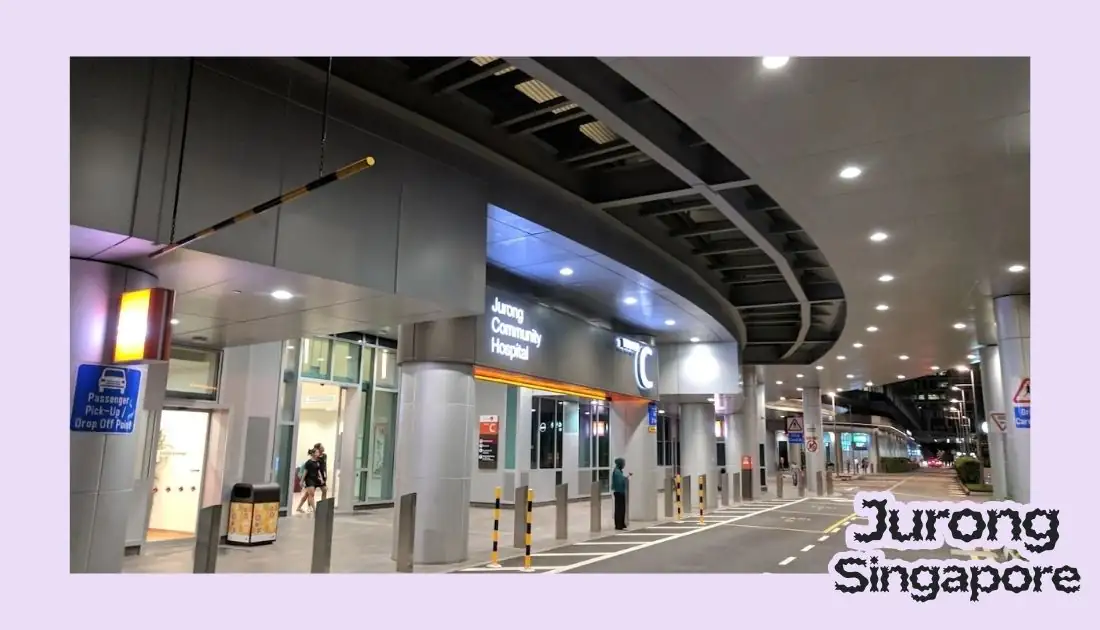
Jurong Community Hospital Guide: Rehabilitation, Life Hub & Care Services
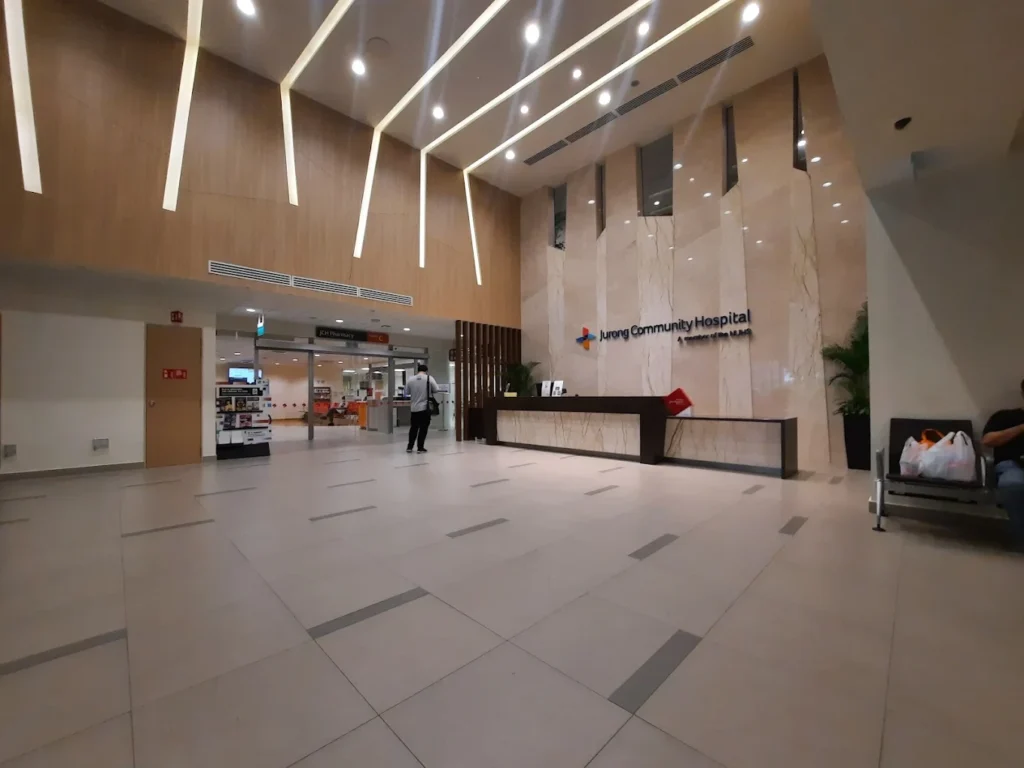
Jurong Community Hospital (JCH) is a leading rehabilitative and long-term care facility in western Singapore, serving the local community with patient-centered medical and wellness services. Strategically located near Jurong East and Boon Lay, it caters to patients recovering from surgeries, strokes, chronic illnesses, or other acute medical conditions. The hospital combines modern healthcare infrastructure with compassionate care, emphasizing post-acute recovery, physiotherapy, rehabilitation programs, and community health initiatives.
Established as part of Singapore’s wider healthcare network, JCH complements acute care services provided by Ng Teng Fong General Hospital, ensuring a seamless continuum of care for patients transitioning from hospital discharge to outpatient recovery. With specialized wards, outpatient therapy centers, pharmacies, and wellness programs, the hospital focuses on holistic care for both patients and caregivers. Its mission is to promote health, rehabilitation, and social support, while providing convenient access via public transport, road networks, and dedicated parking facilities. JCH also encourages professional growth through careers, volunteering, and training programs.
- Address: 1 Jurong East Street 21, Tower A, Singapore 609606
- Opening Hours:
| Wednesday | Open 24 hours |
| Thursday | Open 24 hours |
| Friday | Open 24 hours |
| Saturday | Open 24 hours |
| Sunday | Open 24 hours |
| Monday | Open 24 hours |
| Tuesday | Open 24 hours |
Hospital Overview and History
Table of Contents
Toggle
Jurong Community Hospital was established to address the growing need for post-acute and rehabilitative care in western Singapore. While Ng Teng Fong General Hospital provides acute medical treatment, JCH focuses on helping patients regain independence and manage long-term medical conditions. Over the years, the hospital has developed a reputation for high-quality care in rehabilitation, physiotherapy, and outpatient services.
The hospital’s mission is to deliver compassionate, patient-centered care while supporting community health and wellness. Its objectives include promoting physical recovery, enhancing quality of life, and integrating patients back into their families and society. JCH plays a critical community role by providing education on chronic disease management, preventive healthcare, and wellness programs.
Historically, JCH has grown alongside Singapore’s healthcare expansion, introducing specialized wards, rehabilitation centers, and Life Hub programs to address evolving patient needs. Its strategic location near residential areas, public transport hubs, and arterial roads makes it a vital part of the western healthcare network. Today, the hospital is recognized not only for its medical expertise but also for its focus on patient comfort, safety, and community engagement.
Services & Facilities
Medical Services
- JCH offers a wide range of medical services tailored for post-acute recovery and long-term care:
- Physiotherapy & Occupational Therapy: Programs designed to improve mobility, strength, and independence.
- Pharmacy Services: On-site pharmacy provides easy access to prescribed and over-the-counter medications.
- Rehabilitation Wards: Specialized wards for stroke, orthopedic, and chronic illness recovery.
- Outpatient Care: Consultations, follow-ups, and preventive care programs.
Life Hub Programs & Wellness Initiatives
- Life Hub provides community wellness workshops, exercise programs, caregiver training, and health education sessions.
- Focuses on promoting physical, mental, and social well-being.
- Offers activities for elderly care, chronic disease management, and holistic recovery.
Specialized Wards & Facilities
Jurong Community Hospital features dedicated rehabilitation wards that support patients recovering from stroke, orthopedic injuries, and geriatric-related conditions. These specialized wards provide targeted care for individuals who require extended rehabilitation after acute treatment, ensuring they regain functional independence before returning home. Stroke patients, for example, work on mobility, speech, and motor coordination, while orthopedic patients benefit from post-surgical strengthening and gait training. Geriatric patients receive tailored care that addresses mobility, balance, daily living skills, and chronic management, helping to reduce the risk of re-admission.
To support these recovery journeys, the hospital utilizes advanced rehabilitation equipment and evidence-based therapy methods. Tools such as parallel bars, strength machines, balance systems, and adaptive devices allow patients to practice realistic movements in a controlled setting. Rehabilitation care plans are highly patient-centric, designed around individual needs, home environments, and long-term recovery goals rather than one-size-fits-all protocols.
A multidisciplinary team drives this process, comprising physiotherapists, occupational therapists, speech therapists, nurses, medical specialists, and social workers. Together, they evaluate progress, adjust care plans, and support patients through physical recovery, emotional resilience, and reintegration into community life. This collaborative model ensures holistic rehabilitation that focuses not only on healing but also on long-term independence, safety, and quality of life.
Day Rehabilitation & Community Programs
Jurong Community Hospital operates day rehabilitation centres that provide short-term therapy for patients who require continued rehabilitation but do not need overnight hospitalization. These centres offer structured therapy sessions during the day and allow patients to return home afterwards, giving them flexibility while maintaining continuity of care. This model is especially beneficial for patients recovering from neurological events like stroke, orthopedic surgeries such as joint replacements, and age-related mobility conditions, as it supports sustained improvement without prolonged inpatient stays.
The rehabilitation programs offered include physiotherapy, occupational therapy, and speech therapy, complemented by wellness and strength-building activities. Physiotherapy focuses on restoring movement, balance, and endurance; occupational therapy helps patients regain essential daily living skills such as dressing, cooking, and personal care; while speech therapy addresses communication challenges, cognitive-linguistic function, and swallowing difficulties. These services are carefully coordinated to help patients restore independence and confidence in real-life environments.
In addition to clinical therapy, the centre emphasizes community-based rehabilitation, encouraging patient engagement and family participation. Caregivers are taught practical support techniques, making the transition back home smoother and safer. By bridging the gap between hospital inpatient care and full community reintegration, the day rehabilitation centre ensures patients experience a structured, supported, and empowering recovery pathway.
Clinical Specialties & Rehabilitation Focus Areas
Although Jurong Community Hospital does not function like an acute tertiary hospital, it provides a broad range of rehabilitation services tailored to specific patient groups. These typically include:
1. Stroke Rehabilitation
Patients recovering from ischemic or hemorrhagic stroke undergo intensive physiotherapy, occupational therapy and speech therapy. The focus is on regaining motor control, swallowing function, speech ability, and daily living skills such as dressing, grooming, and mobility.
2. Orthopaedic Rehabilitation
This includes recovery after joint replacement surgeries (e.g., knee, hip), fractures, spinal surgery and other musculoskeletal injuries. Therapy emphasizes gait training, strengthening, balance, and functional mobility to help patients return to home and community settings.
3. Neurological Rehabilitation
Supports patients with neurological conditions such as Parkinson’s disease, neuropathy or acquired brain injuries where long-term support and retraining are required.
4. Post-Surgical & Medical Recovery
Multidisciplinary Care Model
One of the strengths of JCH is its multidisciplinary, team-based care approach. Patient recovery plans typically involve:
- Rehabilitation physicians
- Nurses (including geriatric
- and rehabilitative nursing specialists)
- Physiotherapists
- Occupational therapists
- Speech therapists
- Dietitians
- Medical Social Workers
- Pharmacists
- Transitional care coordinators
Each patient’s care plan is personalized, and care conferences are often held involving families to decide on discharge goals and ongoing support needs.
Care Services and Programs
JCH provides a range of medical and allied health services tailored to recovery and rehabilitation:
Post-Acute & Continuing Care
- This includes rehabilitation after surgery, stroke, major illness or prolonged hospital stays. Care teams work to improve mobility, strength, cognition and daily functioning.
Allied Health Services
- Specialists in physiotherapy, occupational therapy, speech therapy, dietetics, pharmacy and social services offer comprehensive support to address the wide range of patients’ needs.
Outpatient & Support Services
- Patients may continue therapy or follow-up care in outpatient settings, ensuring continuity even after they leave hospital.
Features
The hospital’s rehabilitation campus includes purpose-built facilities designed to support real-world recovery and long-term independence. Key features such as the Mobility Park and LIFE Hub allow patients to practice essential daily activities in safe, controlled environments. Simulated public spaces, home settings, and accessibility equipment help bridge the gap between inpatient therapy and community living. These specialized features highlight the hospital’s holistic approach to rehabilitation, focusing not only on medical treatment but on practical functional reintegration.
Mobility Park and LIFE Hub
Jurong Community Hospital (JCH) stands out as a pioneer in patient rehabilitation, being the first hospital in Singapore to feature a dedicated Mobility Park. This innovative facility allows patients to gradually re-adapt to daily living skills in a controlled and safe environment. The park is equipped with ramps, steps, textured surfaces, and simulations of public transport facilities, including MRT carriages and buses, enabling patients to practice navigating common obstacles before returning to real-world settings. Such exposure helps boost confidence, independence, and mobility for patients recovering from strokes, orthopedic surgeries, or chronic conditions.
In addition to the Mobility Park, the hospital features the LIFE Hub, which includes a mock-up of a three-room HDB flat fitted with accessibility products such as grab bars, ramps, and adaptive equipment. This facility helps patients and caregivers simulate everyday tasks at home, including cooking, bathing, and moving around safely. The LIFE Hub is integral to ensuring smooth transitions from hospital care to independent living, emphasizing holistic rehabilitation that addresses both physical recovery and real-life adaptability.
Visitor Information
- Certain specialized wards may have restricted visiting hours for patient privacy and safety.
- Visitors are encouraged to check ward-specific schedules before arrival.
- Patients’ family members should carry valid ID for entry to restricted areas.
Ward Charges
- Charges vary based on ward type, room class, and length of stay.
- Patients may choose from private, single, or multi-bed wards, with fees adjusted accordingly.
- Subsidies may apply for eligible Singapore residents under government healthcare schemes.
Parking & Transport
- JCH provides on-site parking for cars and motorcycles, with hourly rates.
- Drop-off zones are available near the main entrance for short visits.
- Visitors are encouraged to arrive early during peak hours to secure parking.
Mission and Vision Philosophy
JCH’s mission is to deliver patient-centred, compassionate care tailored to individuals who require support after acute illness or surgery. Its vision emphasizes helping patients regain functional independence and return to everyday life with confidence. Care at JCH is structured around holistic recovery, focusing not only on medical rehabilitation, but also social and emotional well-being.
Being part of the National University Health System (NUHS), a major healthcare cluster in Singapore, JCH works closely with other care partners including general practitioners, polyclinics, community agencies and home care services to extend care beyond the hospital walls.
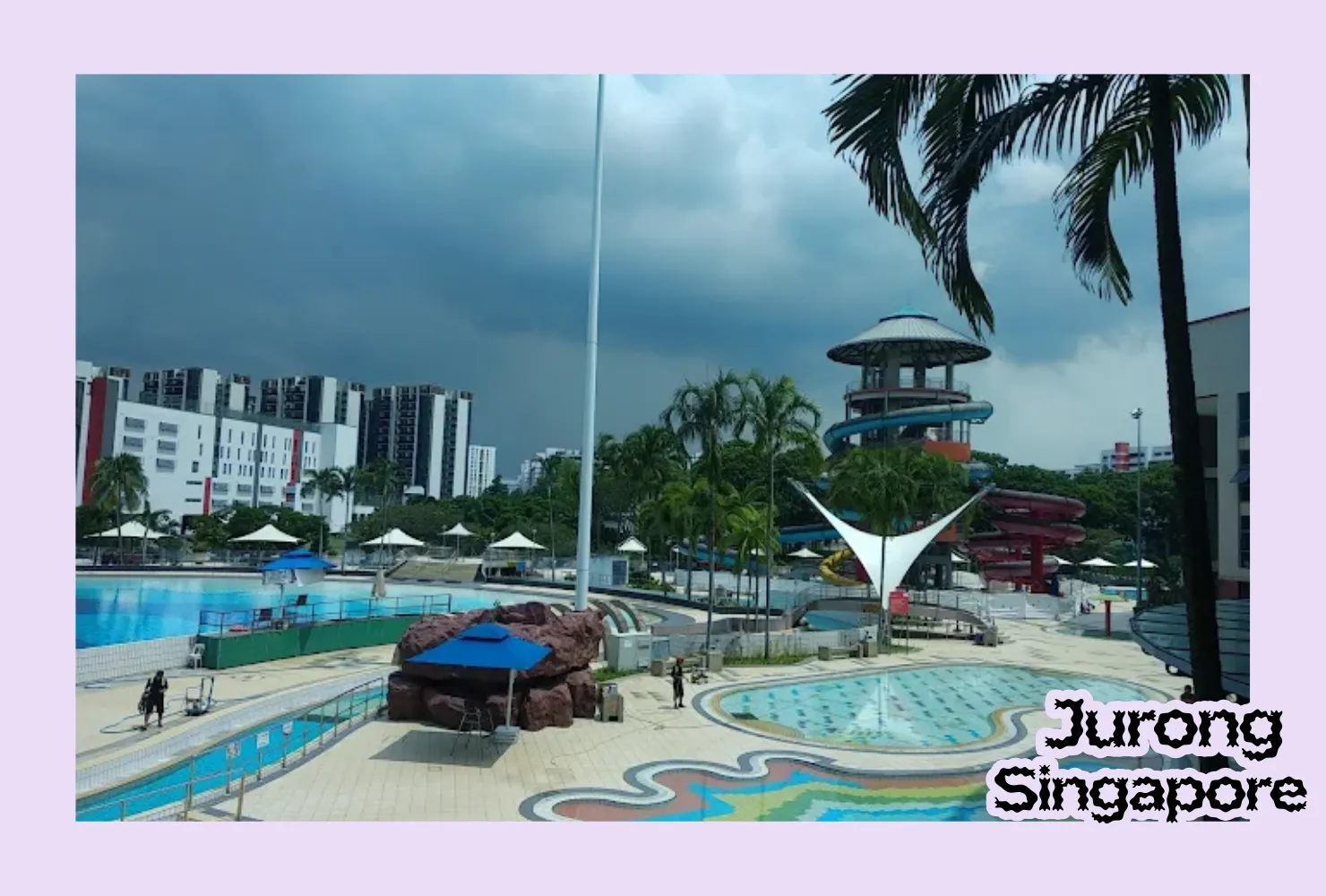
Nearby Attractions Around JCH
Jurong Community Hospital is located in a lively part of Jurong East, with several attractions and amenities close by:
Shopping & Dining
- JEM, Westgate, and IMM malls are within walking distance, offering retail, food courts, cafes, and entertainment options.
Jurong Lake Gardens
- A short public-transport or short taxi ride away, this scenic park features lakesides, gardens, walking paths, playgrounds, and picnic areas.
Jurong Central Park
- Perfect for jogging, cycling, picnics, and outdoor activities near the hospital area’s green spaces.
Cultural & Leisure Spots
- The Chinese Garden and Japanese Garden are in the wider Jurong area, offering traditional landscapes, pagodas, and peaceful strolls.
Role in the Community
JCH plays an essential role in Singapore’s western healthcare network, complementing acute hospitals and working closely with community partners. It helps reduce pressure on acute care beds by providing intermediate step-down care, focusing on maximizing functional recovery and promoting independence.
Careers & Jobs
JCH offers a range of career opportunities in both medical and non-medical roles:
- Medical Roles: Nursing, physiotherapy, pharmacy, rehabilitation specialists, and allied health professionals.
- Non-Medical Roles: Administration, IT, patient liaison, and hospital operations.
- Volunteer Opportunities: Community engagement, patient support, and wellness program assistance.
The hospital emphasizes continuous professional development, offering training, internships, and career progression programs. Employees and volunteers gain exposure to multidisciplinary care, rehabilitation techniques, and patient-centered approaches, making it an attractive workplace for healthcare professionals seeking meaningful impact.
Jurong Community Hospital Parking Area
On-Site Parking
- The hospital shares parking with Ng Teng Fong General Hospital (NTFGH).
- Motorcar parking: Charged at S$0.03 per minute with a daily cap of S$18.
- Motorcycle parking: Around S$1.30 per entry per day.
- A 10-minute grace period is available for pick-up and drop-off.
Alternative Parking Options
- If the hospital carpark is full, you can use nearby parking at:
- Devan Nair Institute for Employment & Employability
- IMM Building
- Perennial Business City
- Westgate
- JEM
- HDB Car Park at Blocks 201–206
How to Get to Jurong Community Hospital
By MRT
- The closest MRT access is Jurong East MRT Station on the North-South Line (NS1) and East-West Line (EW24).
- From the station, use Exit D or C, then walk via the J-Walk pedestrian link through nearby malls (Westgate, JEM) to reach the hospital complex.
By Bus
- Buses from Jurong East Bus Interchange stop near the hospital.
- Key bus stops include Boon Lay Way – Block 203 (Bus services 49, 99) and Boon Lay Way – Before Toh Guan Road (Services 49, 99, 990, 333).
By Car or Taxi
- jurong-police-division-hqjurong-police-division-hq
- Exit at Jurong Town Hall Road (Exit 13 on AYE) or Toh Guan Road (Exit 30 on PIE) and follow local streets to Jurong East Street 21.
Frequently Asked Questions
What are Jurong Community Hospital’s visiting hours?
Visiting hours are typically 8:00 AM – 8:00 PM, with restricted access for ICU and specialized wards.
How much are ward charges?
Charges vary by ward type, room class, and length of stay, with subsidies for eligible residents.
What services does the hospital offer?
Services include rehabilitation, physiotherapy, pharmacy, outpatient care, and wellness programs at Life Hub.
How do I get to the hospital?
Accessible via Boon Lay MRT, Jurong East MRT, multiple bus routes, and car.
Are parking facilities available?
Yes, on-site carparks and motorcycle bays are provided; drop-off zones are available for patients with limited mobility.
Conclusion
Jurong Community Hospital plays a vital role in Singapore’s healthcare network, providing comprehensive post-acute, rehabilitative, and long-term care for residents of western Singapore. With specialized wards, physiotherapy programs, outpatient services, and Life Hub wellness initiatives, JCH prioritizes holistic patient care and recovery. Conveniently located near MRT stations, bus routes, and arterial roads, with ample parking and drop-off points, visiting the hospital is accessible and stress-free for both patients and families. Beyond healthcare, JCH also serves as a hub for career development, volunteering, and community engagement, providing opportunities for professionals and volunteers to contribute meaningfully. Whether seeking treatment, rehabilitation, wellness programs, or professional growth, Jurong Community Hospital offers a well-integrated, patient-focused, and community-oriented healthcare experience, supporting recovery, independence, and long-term well-being.