

20 Best Things to Do in Jurong Singapore (2026 Guide)
20 Best Things to Do in Jurong, Singapore
Jurong doesn’t get the same postcard treatment as Marina Bay or Orchard Road, and that’s exactly what makes it worth exploring. This is the part of Singapore where the country’s industrial story began in the 1960s, where the government planted two of its most beautiful heritage gardens back in the 1970s, and where an entire second downtown the Jurong Lake District is now rising around a man-made lake. Spread across Jurong East and Jurong West, the district mixes quiet green spaces, mega shopping malls, science attractions, working ports, and some of the best hawker and restaurant food in western Singapore.
Most first-time visitors picture Jurong as either an industrial zone or a transit stop on the way to somewhere else. Neither is really true anymore. Jurong East has become a genuine lifestyle hub with four major malls within a ten-minute walk of each other, while Jurong West retains a slower, more residential character built around parks, community clubs, and neighbourhood food centres. Whether you’ve got a free afternoon between meetings at Jurong Gateway or you’re planning a full day out with the family, here are the 20 best things to do in Jurong, organised so you can actually plan a route around them rather than bouncing back and forth across the district.
1. Wander the Chinese Garden Singapore
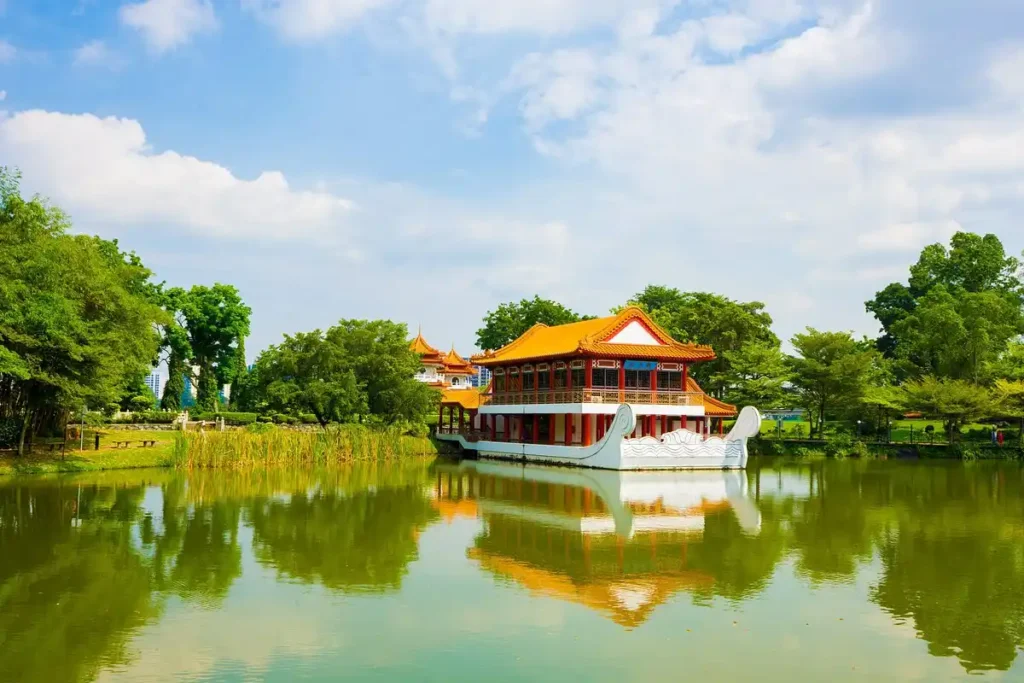
The Chinese Garden is one of Jurong’s oldest and most photographed attractions, built in 1975 in the style of Song Dynasty architecture and set on its own island within Jurong Lake. The garden is centred on a series of arched bridges, ornamental courtyards, and pagodas, with the seven-storey Bai Hu Ting (White Rainbow) pagoda offering one of the best panoramic views over the lake and the surrounding skyline. Beyond the main pagoda complex, look out for the stone boat, the Cloud Piercing Pagoda, and the collection of miniature pavilions dotted along the water’s edge.
Come early morning for soft light and noticeably fewer crowds, and set aside at least an hour to walk the full loop, including the Bonsai Garden tucked at the eastern end, which holds one of the most significant bonsai collections in Southeast Asia. Photographers in particular tend to linger here far longer than they plan to.
Getting there: Chinese Garden MRT station (East-West Line) sits right at the entrance, making this one of the easiest attractions in Jurong to reach without a car.
2. Explore the Japanese Garden
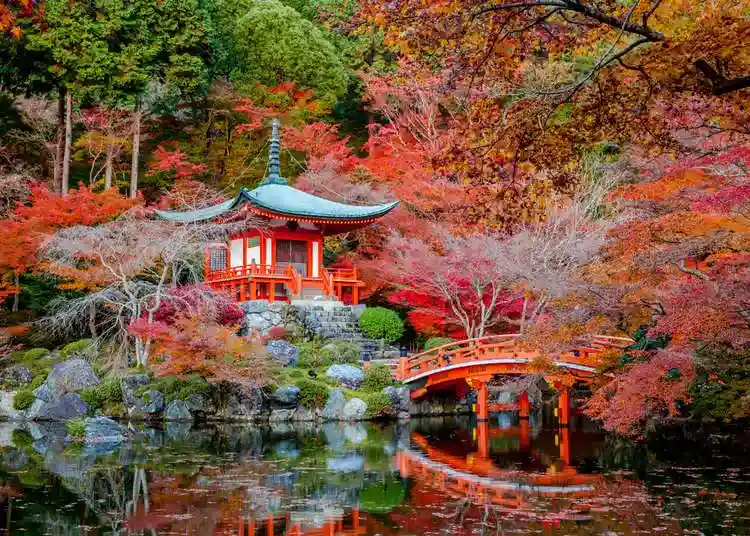
Connected to the Chinese Garden by a bridge, the Japanese Garden also known as Seiwaen, meaning “garden of peaceful assurance” is a smaller, quieter counterpart built around stone paths, koi ponds, and manicured shrubs in a traditional Japanese landscaping style. Where the Chinese Garden is grand and architectural, the Japanese Garden is deliberately minimal, designed for slow, contemplative walking rather than sightseeing.
It’s noticeably less crowded than its neighbour and makes for a genuinely peaceful stroll, especially in the late afternoon when the light softens across the ponds. Because both gardens sit next to each other and share a connecting bridge, most visitors treat them as a single half-day outing rather than two separate trips.
Tip: Wear proper walking shoes the stone pathways and small bridges aren’t ideal for sandals, and there’s minimal shade in parts of the garden, so bring water if you’re visiting midday.
3. Discover Jurong Lake Gardens Lakeside Garden & Central Garden
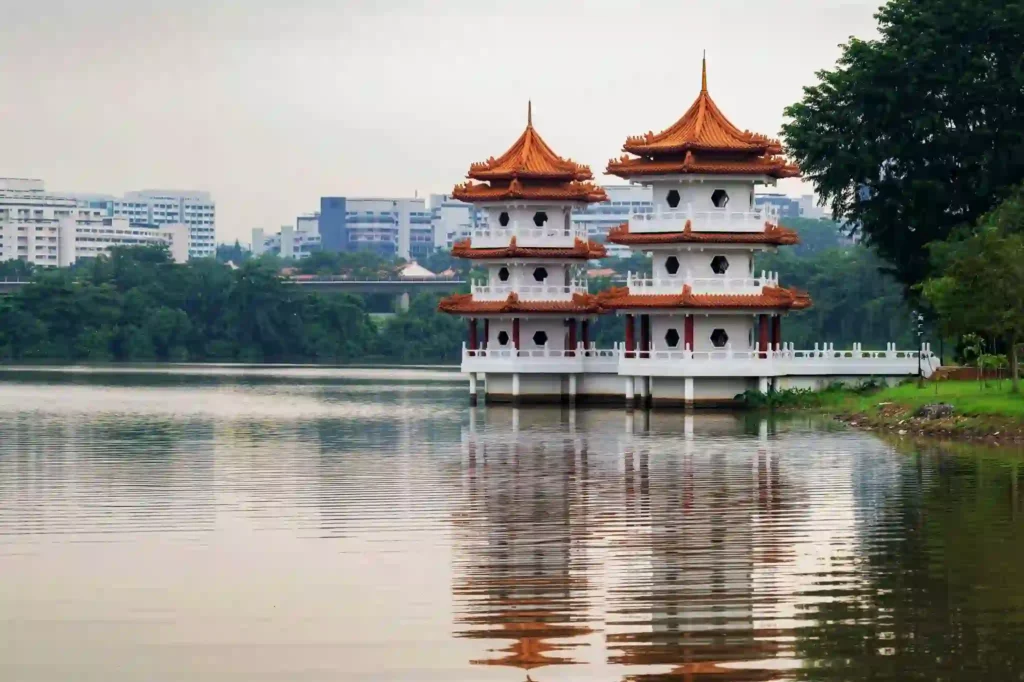
Jurong Lake Gardens is Singapore’s largest garden in the heartlands, and it’s really three gardens stitched together under one masterplan: Lakeside Garden, Nature Garden, and Central Garden. The Lakeside and Central sections are where most of the action is wide open lawns for picnics, a spine of connected water features and boardwalks, and sweeping views across Jurong Lake toward the emerging skyline of the Jurong Lake District. It’s one of the few places in Singapore where you can watch a new downtown being built from a park bench.
Families tend to gravitate toward the play areas and open lawns near the water, while joggers and cyclists use the perimeter paths that loop around most of the lake. If you’re visiting on a weekend, expect community events, markets, or fitness classes to be running somewhere within the gardens check ahead if you’d rather avoid the crowds.
4. Explore the Nature Garden & Wetlands
The Nature Garden section of Jurong Lake Gardens is deliberately less manicured than the Lakeside and Central sections it’s designed as a rewilded habitat with freshwater wetlands, native trees, and timber boardwalks that let you get close to birdlife without disturbing it. This is where you’ll spot herons, kingfishers, and the occasional monitor lizard sunning itself by the water.
It’s a good stop for anyone interested in Singapore’s urban biodiversity efforts, and it’s noticeably cooler and quieter than the open lawns nearby, thanks to denser tree cover. Bring insect repellent if you’re visiting around dusk, as the wetlands attract mosquitoes once the sun starts to set.
5. Relax at Wave Plaza, Jurong Lake Gardens
Wave Plaza is the main gathering point within Jurong Lake Gardens, sitting close to the playgrounds and water-play areas that make this a favourite with families. It’s less a single standalone attraction and more a hub open plaza space, benches, and food and drink kiosks nearby making it the natural spot to base yourself if you’re spending a few hours in the gardens with young kids who need somewhere to run around.
The plaza also hosts occasional community events and pop-up activities, so it’s worth a quick check of what’s on before you visit if you want more than just open space.
6. Paddle at PASSION Wave @ Jurong Lake Gardens
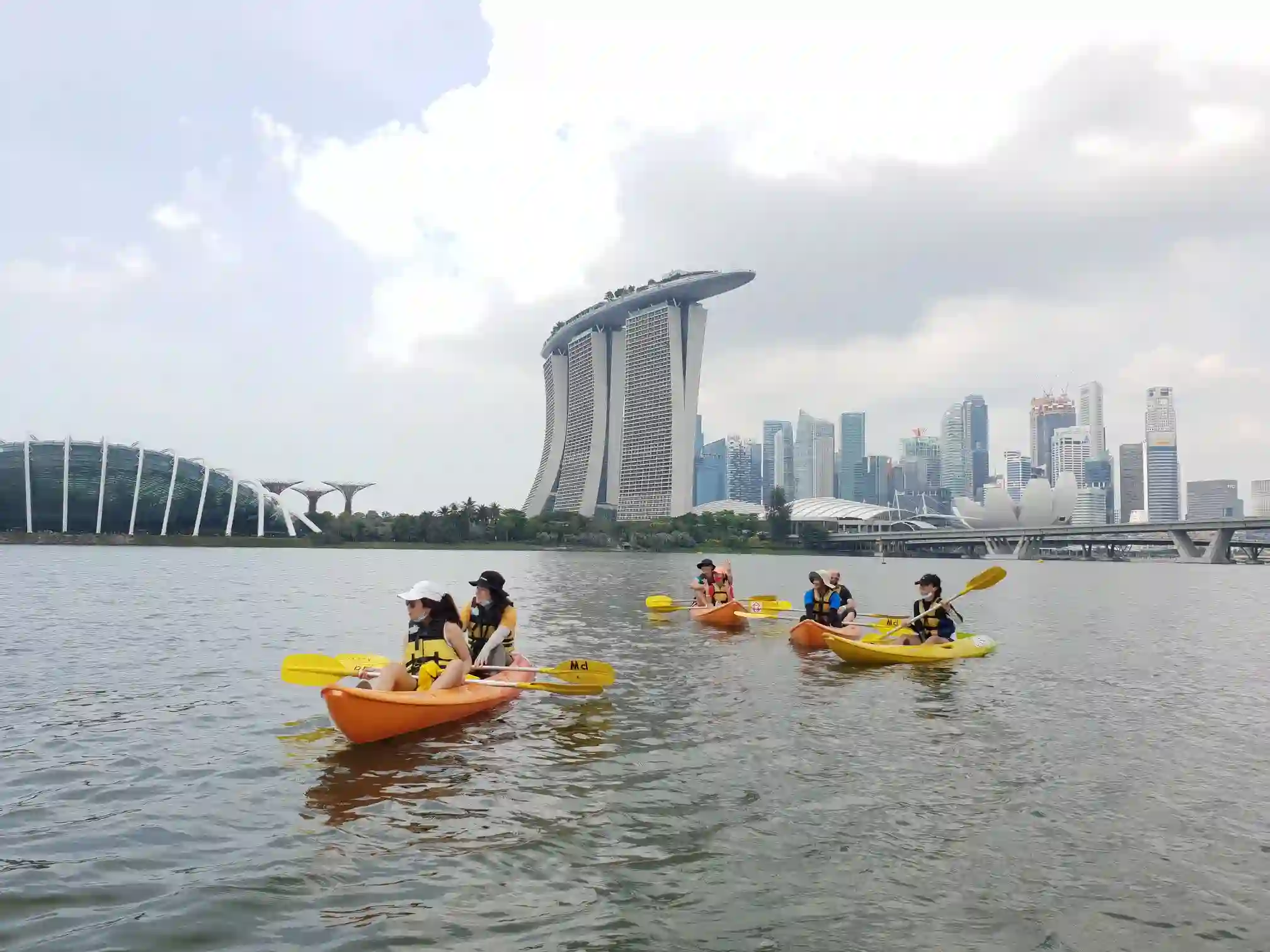
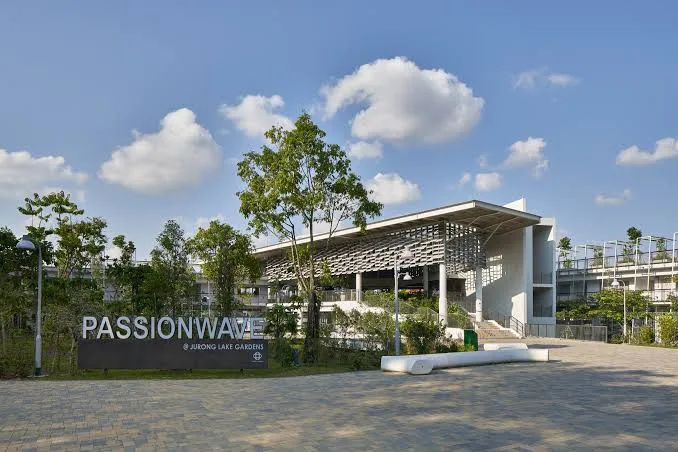
If you’d rather be on the water than beside it, PASSION Wave runs kayaking, dragon boating, and other watersports sessions directly on Jurong Lake. It’s a community-run facility under the PA (People’s Association), so prices are noticeably more accessible than private watersports operators elsewhere in Singapore, and it’s a genuinely different way to see the gardens and the lake district skyline from a completely new angle.
Sessions typically need to be booked in advance, especially on weekends when demand is highest, and basic instruction is usually provided for first-timers. It’s a good half-day activity if you want something more active than a walk through the gardens.
7. Get Active at ActiveSG Park
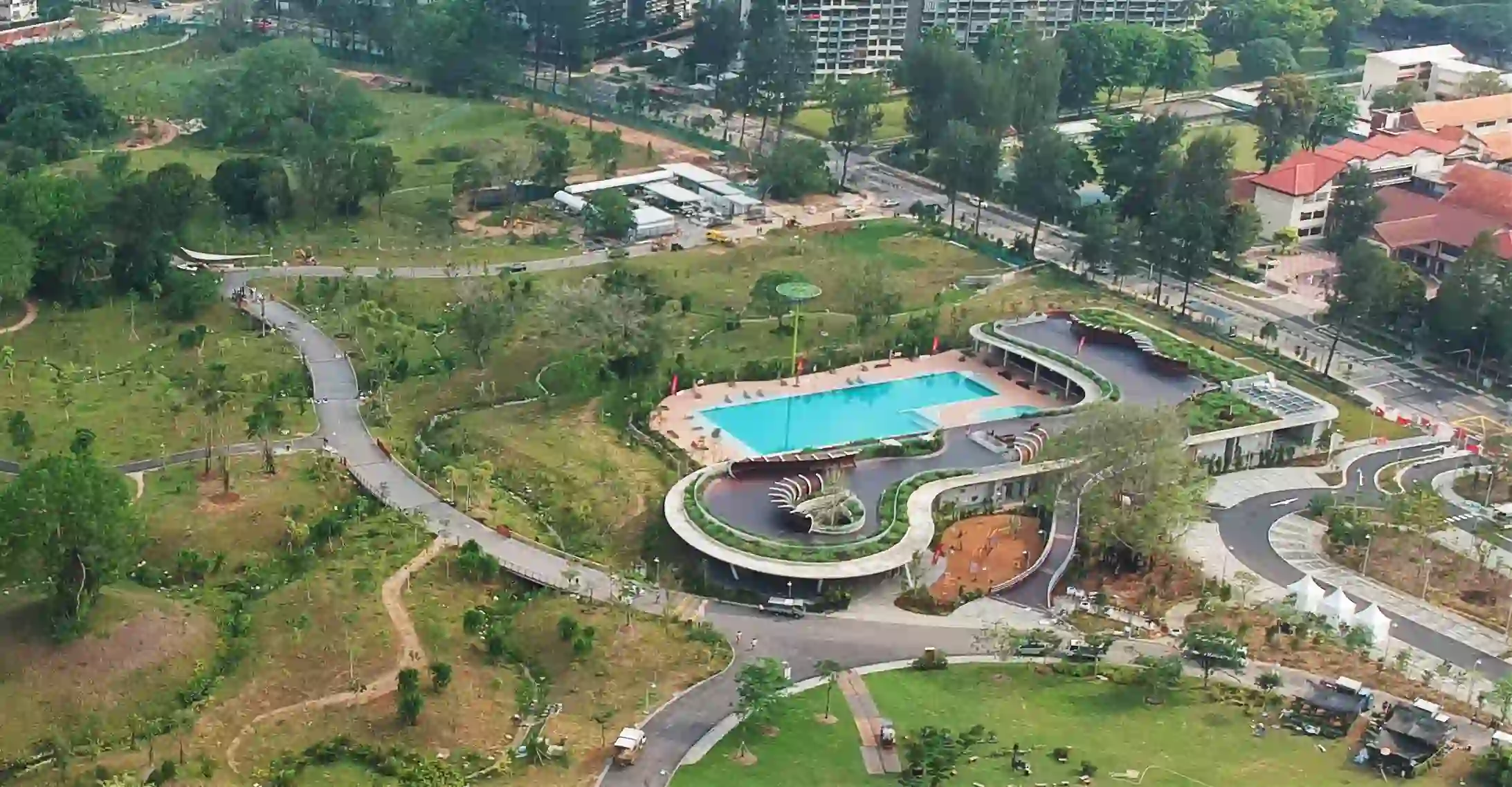
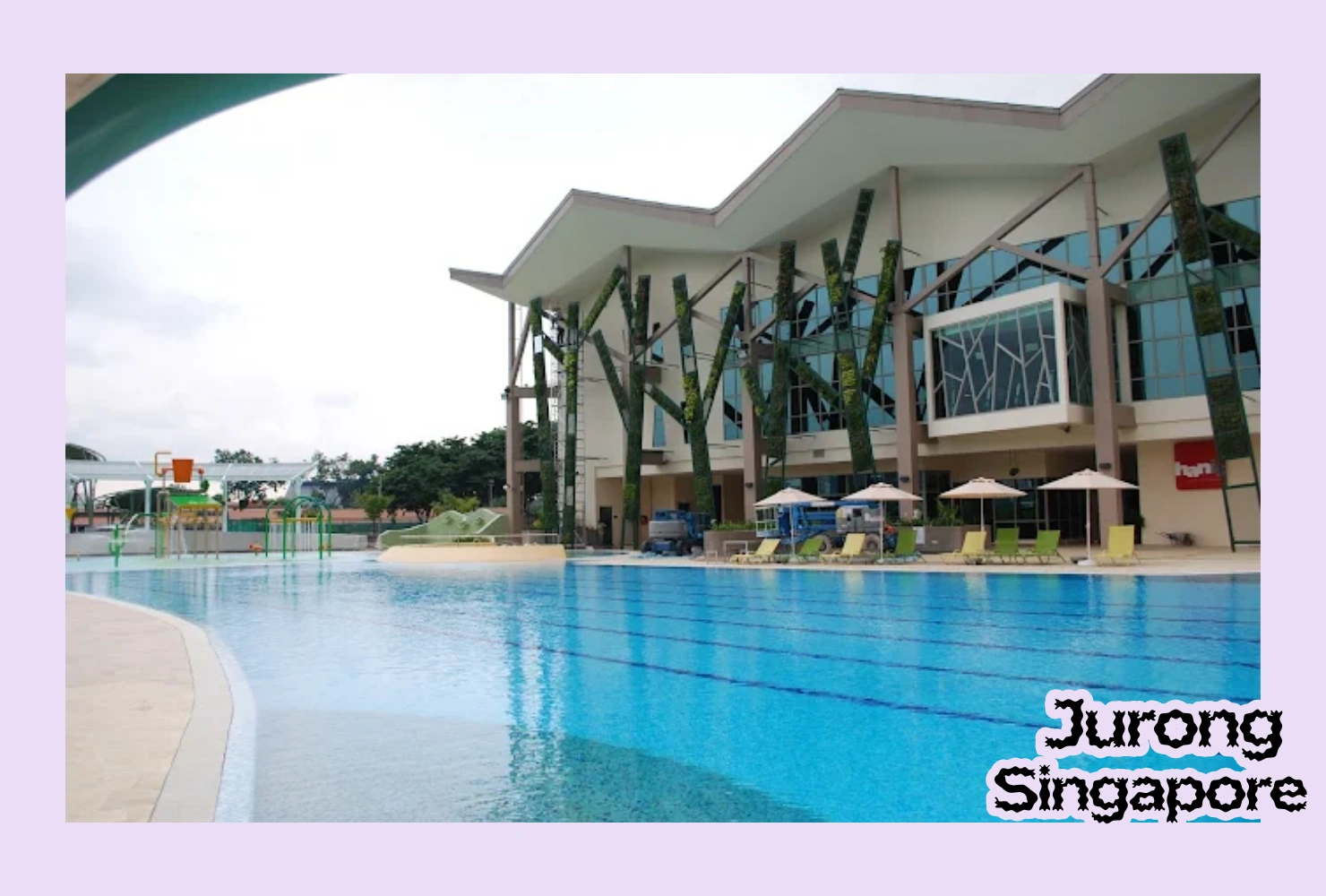
Part of Sport Singapore’s nationwide ActiveSG network, this park within Jurong Lake Gardens combines an outdoor gym, swimming facilities, and open courts for casual sports like basketball and futsal. It’s built for residents first you’ll see plenty of regulars doing their morning routine but visitors are welcome, and it’s a good option if you want to combine sightseeing with some actual exercise rather than just walking between attractions all day.
Facilities and pricing follow the standard ActiveSG structure, so it’s worth checking current rates and operating hours before you go, particularly for the pool.
8. Walk the Boardwalks at Jurong Eco Garden
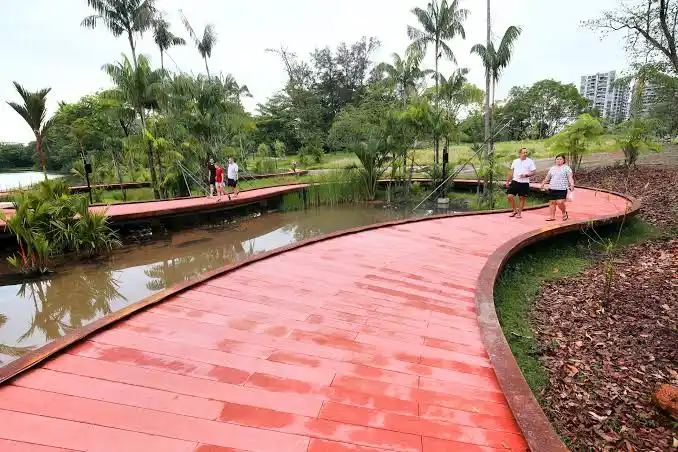
Tucked beside Jurong’s industrial and educational zones near the CleanTech Park area, Jurong Eco Garden is a smaller, purpose-built space focused on ecological restoration wetlands, native planting, and sustainable landscape design set within an otherwise heavily built-up part of town. The contrast is part of the appeal: you’re walking through carefully restored wetland habitat with research institutes and cleantech facilities visible just beyond the treeline.
It’s a nice stop if you’re already exploring the wider Jurong Innovation District, and it’s usually far quieter than the main Lake Gardens precinct, making it a good choice if you want a genuinely peaceful walk without the crowds that gather around the more central attractions.
9. Unwind at Jurong Central Park
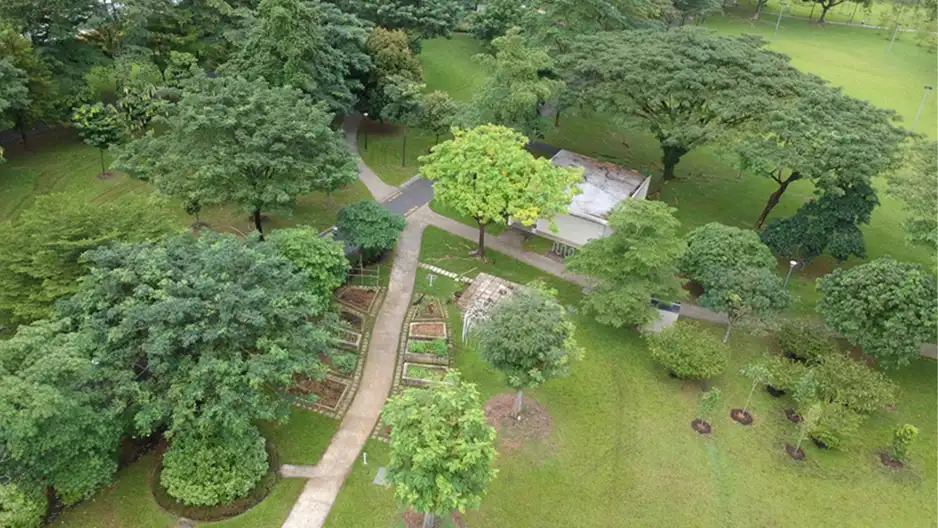
Located opposite Boon Lay MRT Station and Jurong Point Shopping Centre, Jurong Central Park is a neighbourhood green space that’s easy to combine with a shopping trip in Jurong West. It’s not a headline attraction on any tourist itinerary, but it’s exactly the kind of everyday park that shows you how residents actually use Jurong’s green spaces joggers doing laps before work, families with prams in the late afternoon, and older residents doing tai chi in the early mornings.
If you’re staying in the Jurong West area or have some time to kill before or after a shopping trip at Jurong Point, this is the most convenient park to duck into.
10. Hike Jurong Hill Park
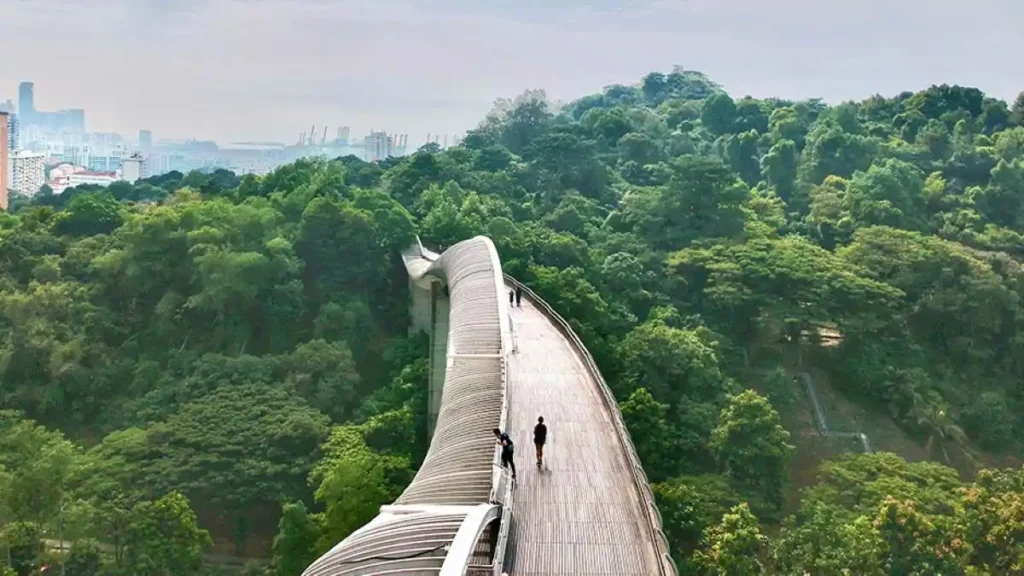
Jurong Hill Park sits on the site of the old Jurong Hill lookout, historically one of the higher vantage points in the west of Singapore and a favourite for its former tower view over the district. It’s a short but genuinely scenic climb, with mature trees and a nature trail that feels more remote than its location suggests, given how close it sits to major roads and developed areas.
History buffs will appreciate that this hill has functioned as a public viewpoint since the 1970s, predating much of the development that has since grown up around it a useful reminder of how much of modern Jurong was built from what used to be swampland and scattered villages.
11. See Jurong Falls
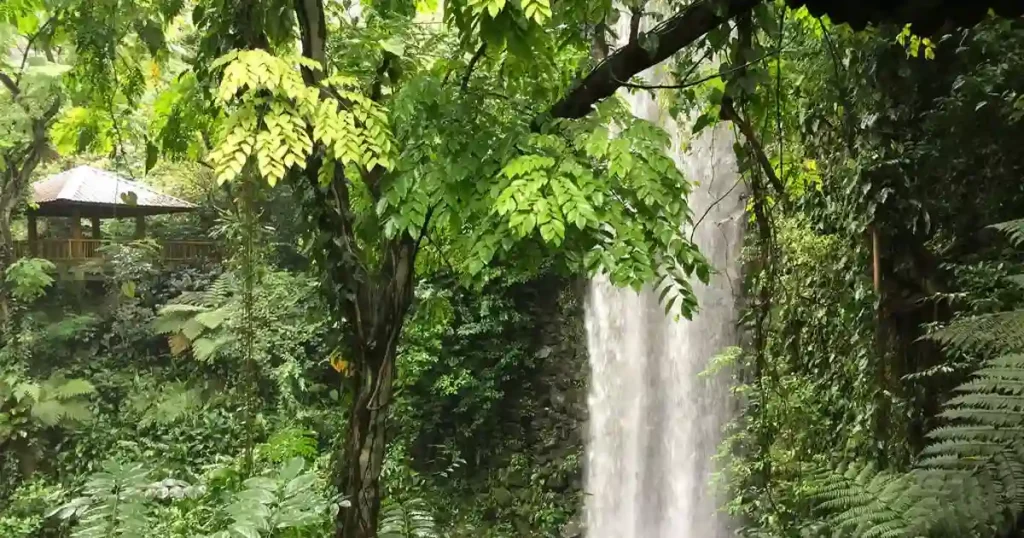
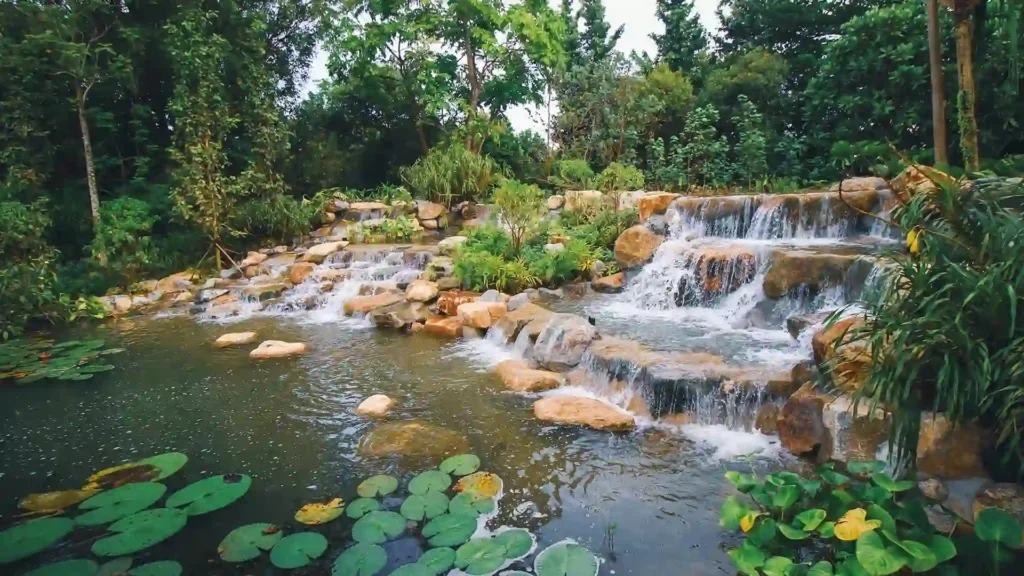
Jurong Falls is a lesser-known waterfall feature within the Jurong Lake Gardens precinct a landscaped cascade rather than a natural falls, but a genuinely scenic photo stop nonetheless. It’s easy to miss if you’re not specifically looking for it, tucked away from the main lawns and pathways that most visitors default to.
It’s worth building into your route if you’re doing a full loop of the gardens rather than sticking only to the open lawns near Wave Plaza the sound of running water is a welcome break from the otherwise still lake views elsewhere in the park.
12. Learn Something New at Science Centre Singapore
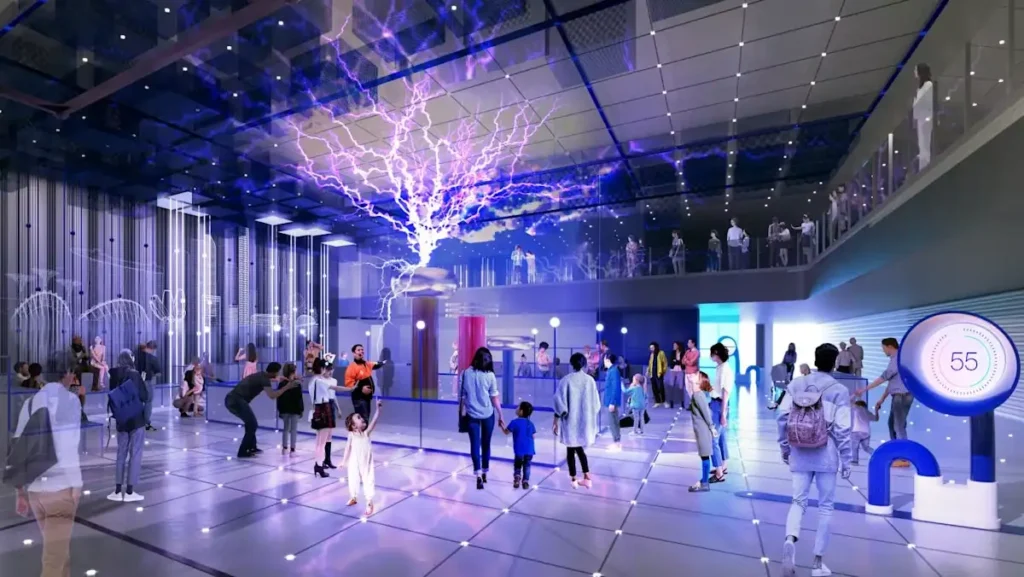
Science Centre Singapore is one of the country’s most established family attractions, with hundreds of hands-on exhibits spanning physics, biology, robotics, space exploration, and more. It’s geared primarily toward kids but is genuinely engaging for adults too, particularly given how often the interactive exhibits get updated. The centre also regularly rotates in special ticketed exhibitions on top of its permanent galleries, so it’s worth checking what’s currently running before your visit.
Budget at least two to three hours if you’re going with children, since the galleries are large and spread across multiple levels, and kids rarely want to rush through once they find an exhibit they like. Weekday mornings tend to be quieter than weekends and school holidays.
13. Catch a Show at the Omni-Theatre
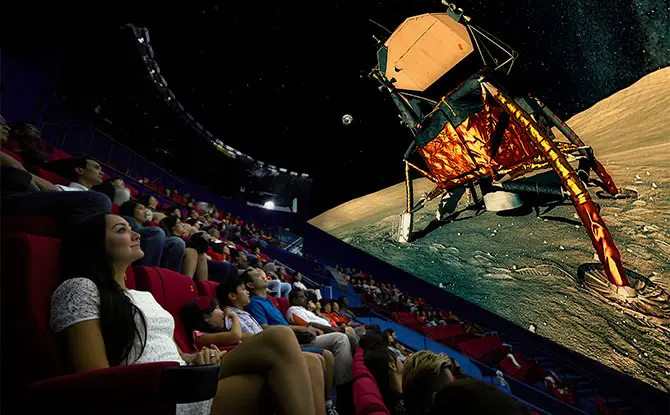
Right next to Science Centre Singapore, the Omni-Theatre is a giant-screen dome cinema Singapore’s equivalent of an IMAX experience that runs a mix of educational documentaries covering space, nature, and science, alongside occasional feature film screenings. The domed screen format makes even familiar documentary footage feel genuinely immersive.
It’s a good add-on if you’re already visiting the Science Centre, and combo tickets covering both attractions are usually available and worth buying rather than paying for entry to each separately.
14. Play in the Snow at Snow City

Also located near the Science Centre, Snow City is an indoor snow park that maintains sub-zero temperatures year-round a genuine novelty in tropical Singapore, and often the first time local kids get to touch real snow. It offers a snow slide, play area, and photo opportunities that feel worlds away from the heat just outside the building.
Jackets, gloves, and boots are provided or available for rental on site, so you don’t need to bring your own cold-weather gear. Sessions are typically time-limited, so check the current format and duration before planning your visit around it.
15. Shop and Eat at JEM

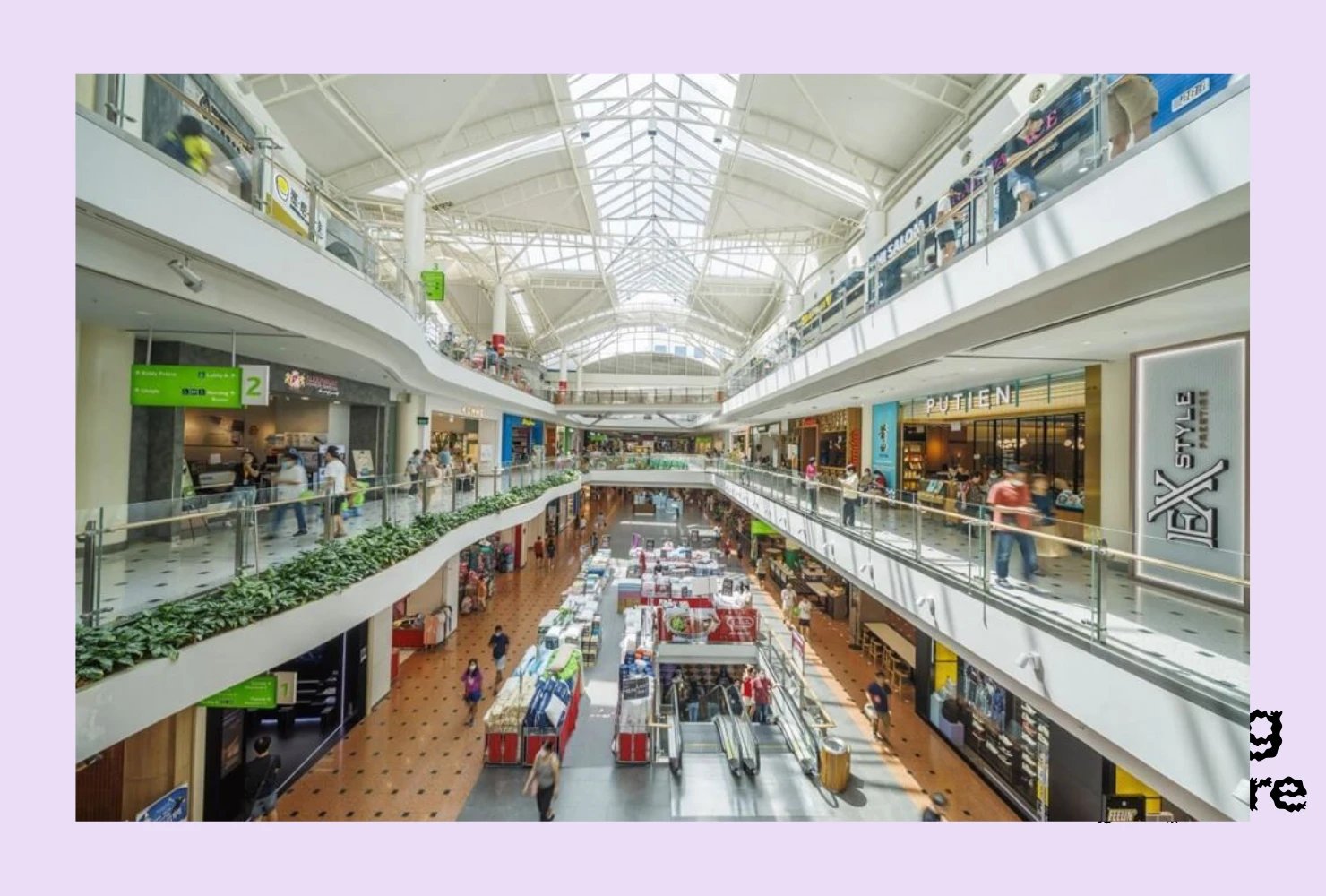
JEM (short for Jurong East Mall) is one of Singapore’s largest suburban malls, directly connected to Jurong East MRT interchange station, which makes it the most convenient stop in the Jurong Gateway cluster if you’re arriving by train. With anchor tenants like IKEA, Don Don Donki, and FairPrice Xtra alongside a dense mix of fashion, beauty, and dining options spread across multiple floors, it’s built to handle a full afternoon of browsing on its own.
The basement food hall alone can easily eat up an hour of decision-making given the sheer range of cuisines on offer, and the mall’s connection to the wider Jurong Gateway walkway network means you can continue straight on to Westgate or IMM without stepping outside.
16. Explore Westgate
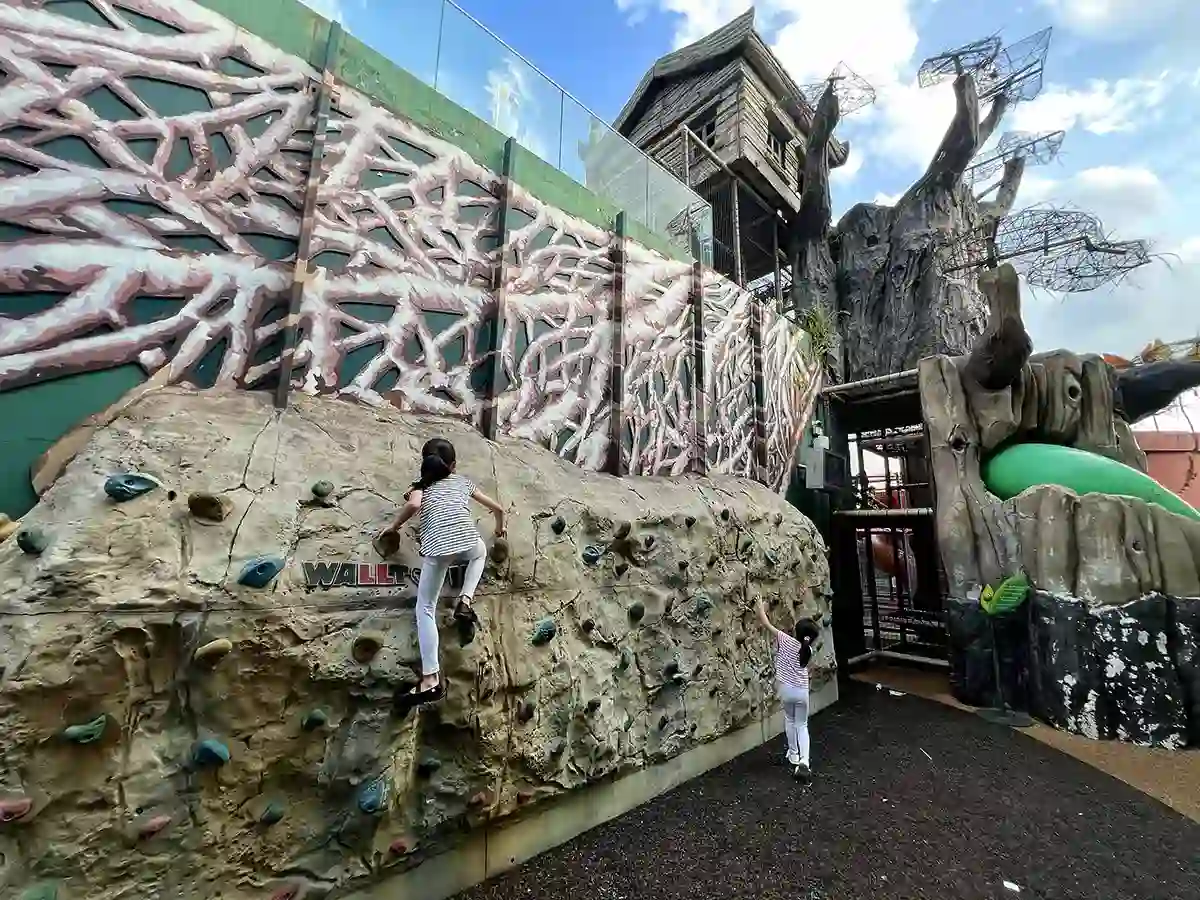
Right next to JEM, Westgate is a lifestyle and family-oriented mall connected via sheltered walkway, distinguished by a rooftop garden and a “Westgate Wonderland” level that houses a gym, swimming facility, and childcare centre an unusual combination for a suburban mall. Because it’s directly linked to Ng Teng Fong General Hospital and the wider Jurong Gateway walkway network, it’s easy to combine a visit here with JEM and IMM in a single outing without ever stepping back outside into the heat.
Westgate’s dining scene has also grown into one of the more diverse in the cluster, with a particularly strong showing of Chinese, Japanese, Korean, Thai, and halal-certified options across its various floors.
17. Hunt for Bargains at IMM Outlet Mall
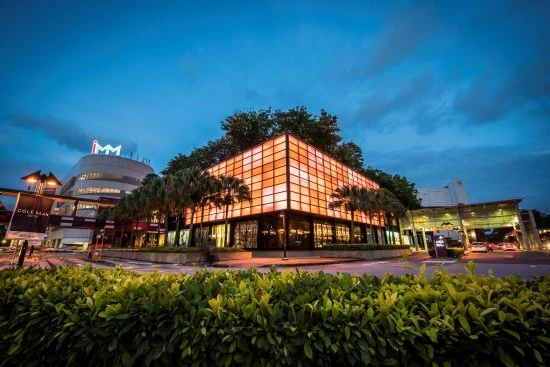
IMM is Singapore’s largest outlet mall, with well over 100 stores offering discounts on international brands everything from sportswear and fashion to electronics, furniture, and homeware. It’s a genuinely different retail experience from the polished, full-price malls in Jurong Gateway, closer in spirit to an outlet centre than a typical shopping mall, and it’s popular enough with both locals and tourists that it’s worth building extra time into your visit for browsing rather than treating it as a quick stop.
It’s reachable on foot from Jurong East MRT via the covered J-Walk bridge system that links Westgate, JEM, and the hospital, or by a free shuttle bus that runs from Westgate for those who’d rather skip the walk in the heat.
18. Browse Big Box
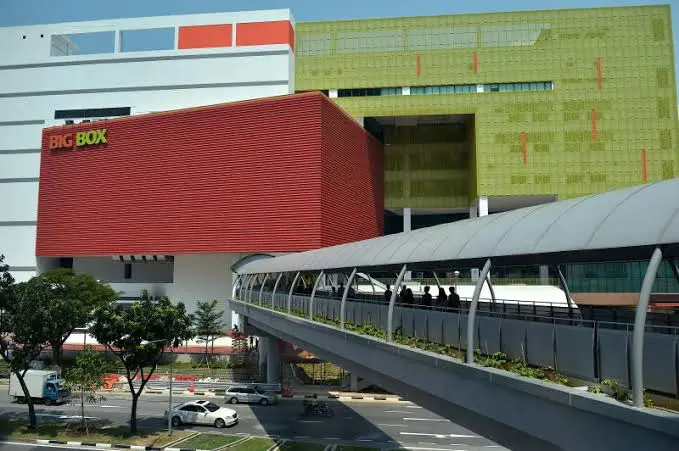
Big Box is Jurong’s warehouse-format retail space, known for large-format stores selling furniture, electronics, and household goods rather than fashion or lifestyle brands. It’s less of a “browsing” mall and more of a destination if you’re actually shopping for something specific think mattress, appliance, or furniture runs, or bulk grocery trips.
It’s worth knowing about if JEM, Westgate, and IMM don’t have exactly what you’re after, and it tends to be far less crowded than the other three malls in the cluster, since it draws a more purpose-driven crowd rather than casual browsers.
19. Visit Jurong Fishery Port
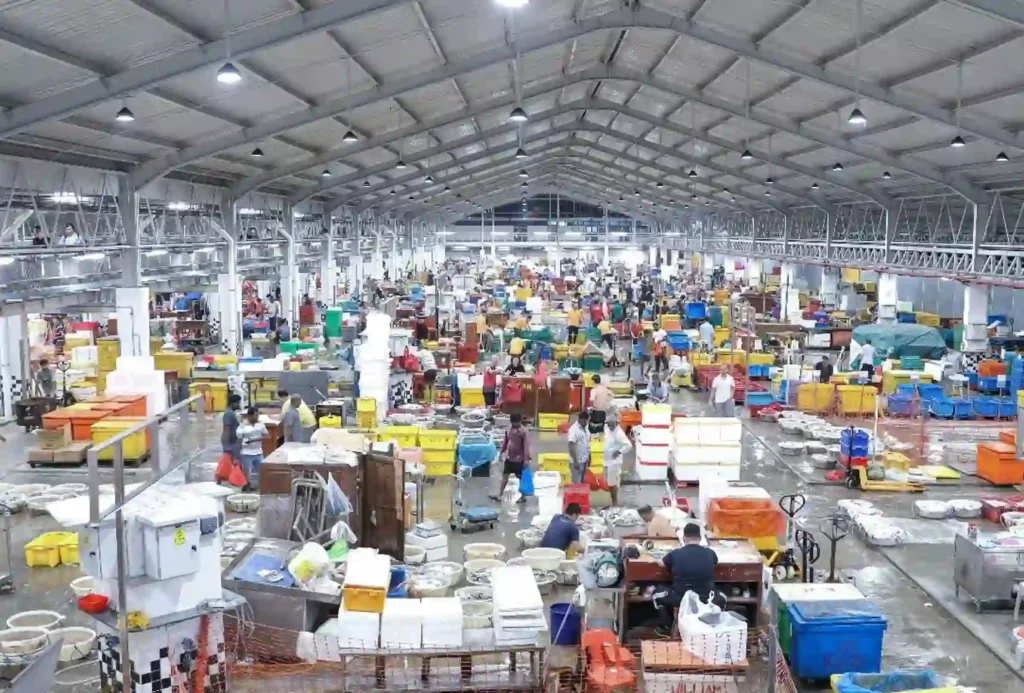
For an entirely different side of Jurong, Jurong Fishery Port is Singapore’s largest and most important seafood distribution hub, established in 1969 and still the backbone of the country’s fishing and seafood import industry today. While it’s primarily a working port rather than a tourist attraction, early risers can catch the pre-dawn fish auction and market activity, when the port is at its busiest and most photogenic.
It’s a favourite stop for photographers and food enthusiasts who want to see where much of Singapore’s seafood actually enters the country before it hits restaurant tables and market stalls across the island. Parking is available on site, and visits are best planned around the early morning auction schedule.
20. Go on a Jurong Food Trail
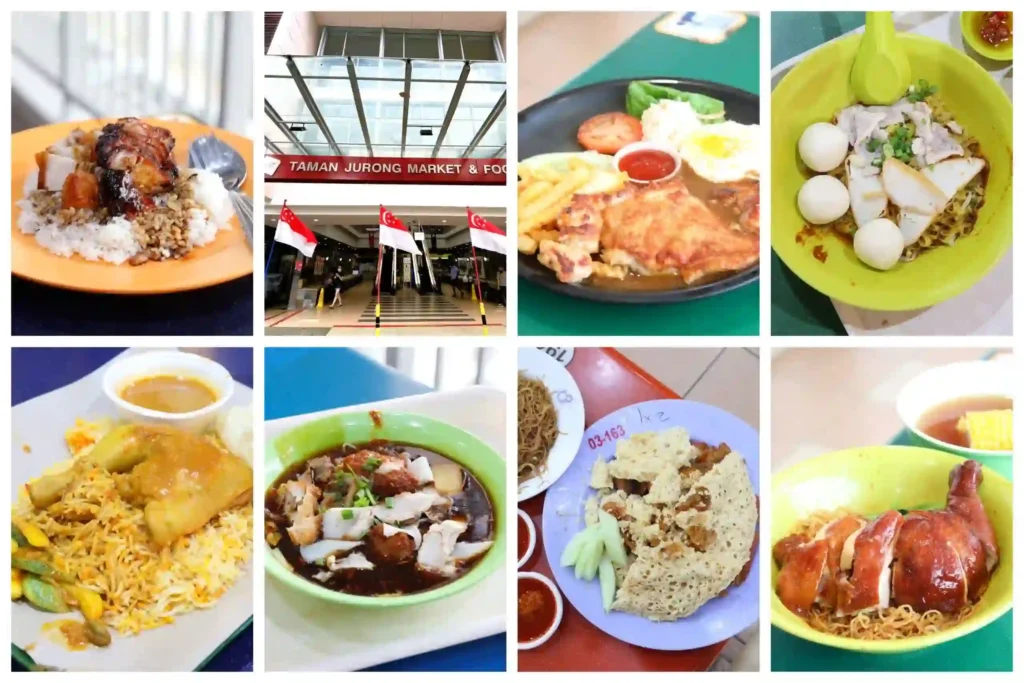
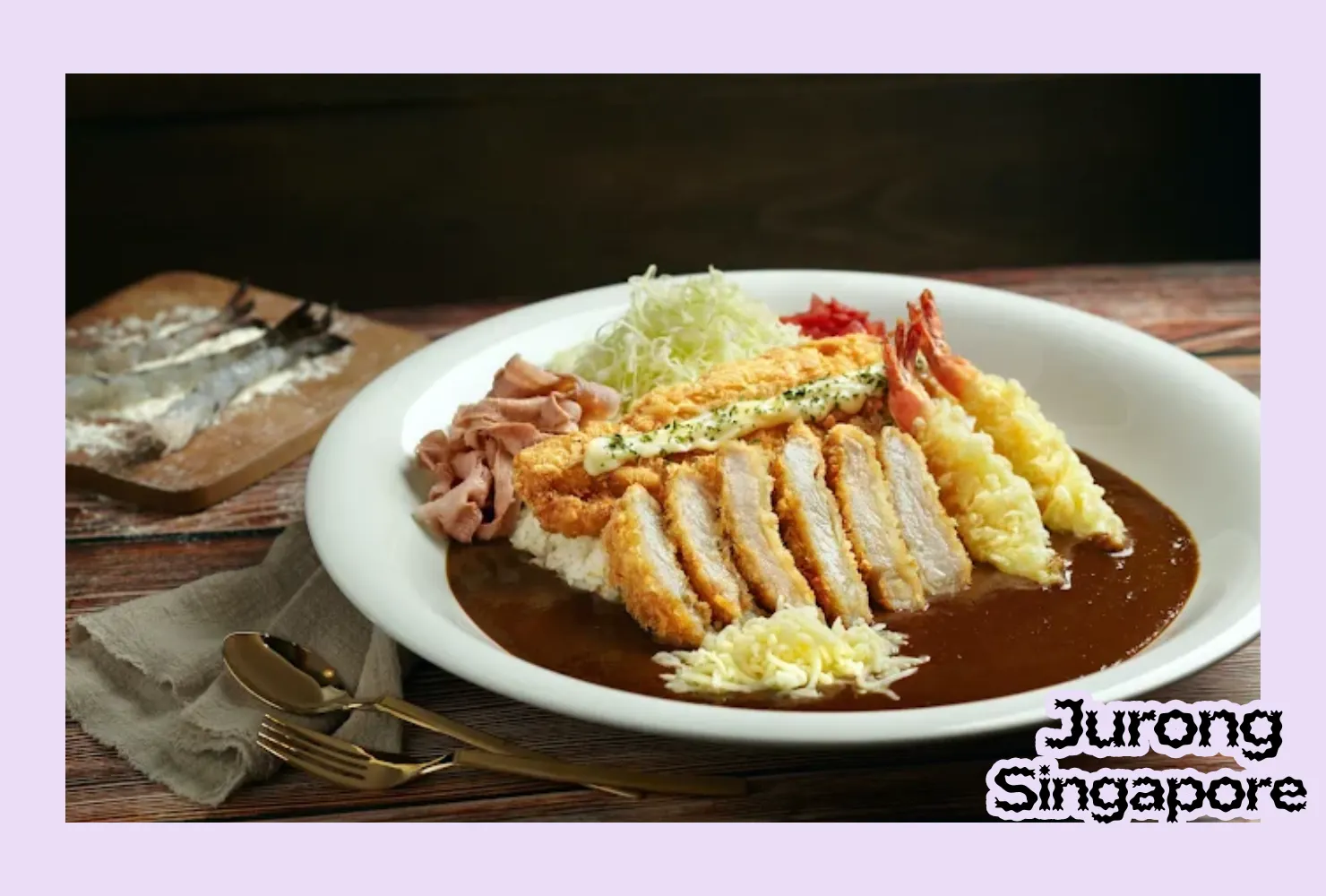
Jurong’s food scene has grown into one of western Singapore’s most diverse, and working through it is arguably the best “activity” in the whole district. Start with dim sum around Jurong East or Jurong Point, where several well-reviewed spots cluster near the MRT stations. Work through the Korean barbecue, fried chicken, and stew spots that have opened up across Jurong in recent years, catering to a genuine surge in demand for the cuisine. Sample the Japanese food clusters inside JEM and Westgate, ranging from casual ramen counters to sit-down sushi restaurants. Finish with proper hawker fare at one of the neighbourhood food centres in Jurong West, where prices are noticeably lower and the crowd is almost entirely local residents rather than visitors.
Give yourself a full day and skip breakfast between dim sum, barbecue, and hawker food, you’ll need the appetite, and trying to squeeze it all into a single sitting is a mistake most first-timers make exactly once.
Practical Tips for Visiting Jurong
Getting around: Jurong East MRT interchange (North-South and East-West Lines) is your central hub for the whole district and the natural starting point for most visits. Chinese Garden MRT station puts you directly at the gardens. The Jurong Region Line, once fully operational, will make Jurong West far easier to navigate without a car until then, buses fill most of the gaps between MRT stations and the parks further from the rail network.
Best time of day: Visit the Chinese Garden, Japanese Garden, and Jurong Lake Gardens in the early morning to avoid both the heat and the crowds Singapore’s tropical sun gets uncomfortable fast once you’re past 11am with minimal shade. Save mall visits and indoor attractions like the Science Centre, Omni-Theatre, and Snow City for the hottest part of the afternoon, when being indoors is a genuine relief rather than a compromise.
How much time to set aside: A single day covering the heritage gardens and one mall cluster is realistic if you keep a reasonably brisk pace. If you want to properly do the Science Centre, Omni-Theatre, and Snow City together, that’s easily half a day on its own — plan them as a separate outing rather than squeezing them in alongside the gardens or the malls.
Combining attractions: Jurong Gateway (JEM, Westgate, IMM, Big Box) forms one walkable cluster around Jurong East MRT, connected almost entirely by sheltered walkways. The Chinese Garden, Japanese Garden, and Jurong Lake Gardens form a second, more nature-focused cluster a short MRT ride or drive away. Trying to do both clusters properly in one day is possible but rushed most visitors are better off splitting them across two separate visits rather than trying to see everything at once.
What to bring: Comfortable walking shoes are non-negotiable if you’re tackling the gardens or the Jurong Gateway walkway network on foot. Bring water and sun protection for outdoor sections, and keep a light jacket handy if Snow City is on your list the temperature swing between the malls and the snow room is significant.
Frequently Asked Questions
1. Is Jurong worth visiting for tourists, not just locals?
Yes. Between two heritage gardens with genuine architectural and historical significance, a large-scale park system, a proper science and entertainment cluster, and four major malls within walking distance of each other, Jurong offers more variety in one district than most areas of Singapore outside the city centre.
2. How long should I spend in Jurong?
A single focused day is enough to properly cover one cluster — either the gardens or the Jurong Gateway shopping and science attractions. If you want to do both properly, budget two days rather than trying to cram everything into one visit.
3. Is Jurong family-friendly?
Very much so. Jurong Lake Gardens, the Science Centre, Snow City, and the Omni-Theatre are all built with families in mind, and the malls in Jurong Gateway have childcare and family facilities woven throughout.
4. Do I need a car to get around Jurong?
No. Jurong East MRT interchange and Chinese Garden MRT station cover most of the major attractions, and the Jurong Gateway mall cluster is entirely walkable via sheltered bridges. A car helps for reaching Jurong Fishery Port early in the morning or for covering ground quickly across Jurong West, but it isn’t essential.
5. What’s the best area to base yourself if I’m staying overnight near Jurong?
Jurong East is the more convenient choice for most visitors, given its direct MRT interchange, proximity to the mall cluster, and a small selection of hotels within walking distance of the shopping precinct. Jurong West suits visitors more interested in the parks, local food centres, and a quieter, more residential pace, though it requires more bus travel to reach the malls and gardens on the east side.
6. Is Jurong safe to walk around, including in the evenings?
Yes. Like most of Singapore, Jurong is well-lit, well-patrolled, and generally very safe to walk around after dark, including the mall cluster and the main pathways through Jurong Lake Gardens. That said, the more remote sections of the Nature Garden and Jurong Eco Garden are better suited to daytime visits, simply because the boardwalks and trails aren’t as well lit once the sun goes down.
A Brief Word on What’s Changed in Jurong
If you last visited Jurong years ago, a fair amount has moved on since then. The Jurong Lake Gardens masterplan has steadily absorbed and connected what used to be separate green spaces into one continuous park system, the Jurong Gateway mall cluster has grown from a couple of standalone malls into a fully walkable retail district, and the wider Jurong Lake District continues to develop as Singapore’s planned second central business district. Even long-time residents tend to be surprised by how much of the area has changed once they walk through it again with fresh eyes.
That ongoing transformation is worth keeping in mind as you plan a visit new attractions, dining options, and park sections continue to open as the district develops, so it’s always worth a quick check for anything that’s opened since your last trip, even if you were here recently.
Final Thoughts
Jurong rewards visitors who treat it as more than a stopover between the airport and the city. Between two heritage gardens, an entire lakeside park system, a genuine science and entertainment cluster, four major shopping malls within walking distance of each other, and a food scene that rivals anywhere else in Singapore, there’s realistically two to three full days of things to do here without repeating yourself. Pick a cluster, pace yourself around the heat, and don’t skip the food trail it’s one of the most underrated reasons to make the trip out west.