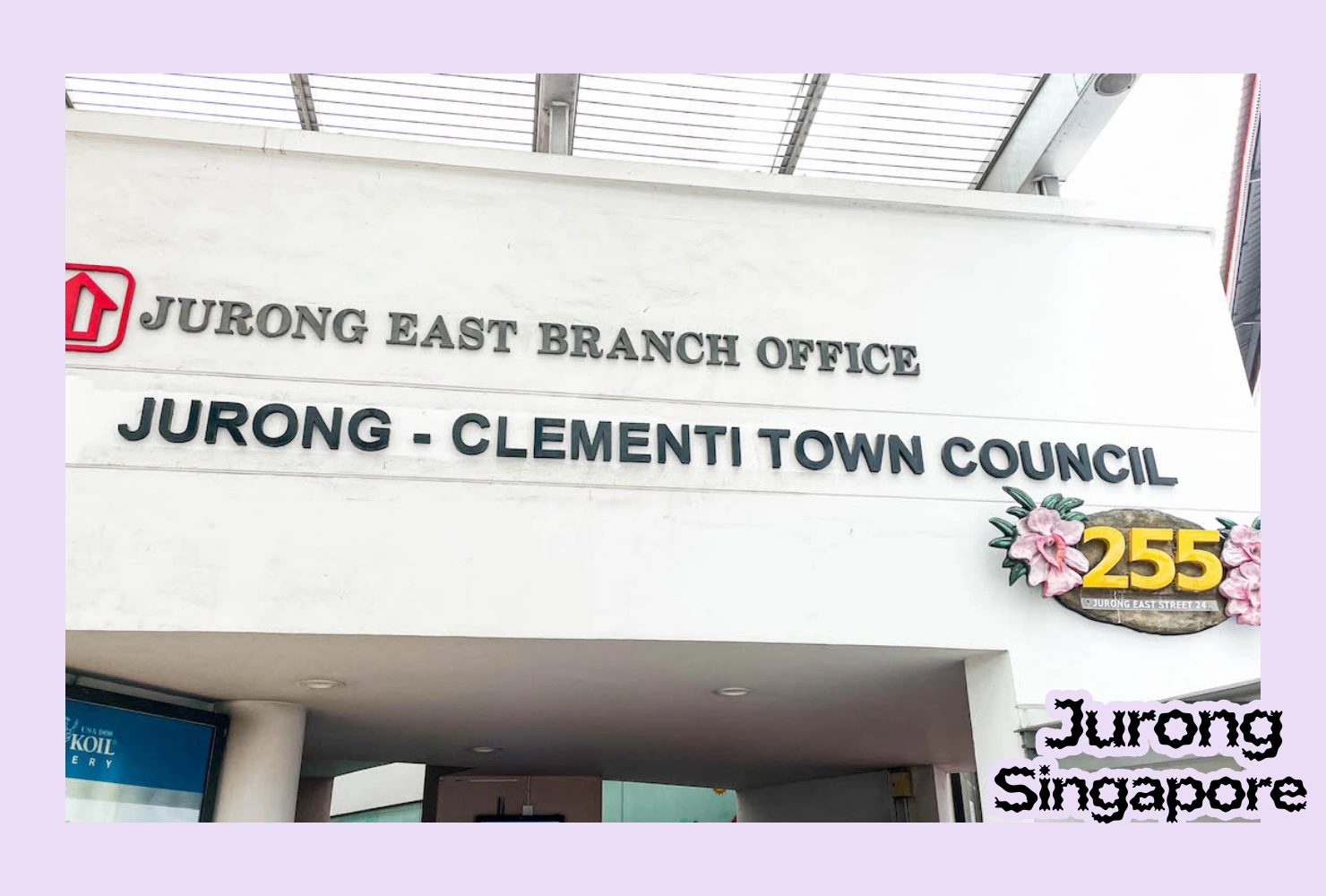
If you live, work, or operate a business in the Jurong or Clementi estates, the Jurong Clementi Town Council (JCTC) is the local authority you’ll interact with most when it comes to estate management, conservancy charges, maintenance issues, and community services. Whether you’re a new resident trying to figure out how to pay your conservancy fees, a contractor looking to participate in tenders, or a long-time resident who needs to report a fault, this guide covers everything you need to know.
Jurong Clementi Town Council was established under the Town Councils Act, which gives elected Members of Parliament the authority to manage and maintain the common areas of public housing estates within their constituencies. Like all town councils in Singapore, JCTC operates as a statutory body responsible for the upkeep of Housing and Development Board (HDB) estates in its jurisdiction.
Over the years, JCTC has evolved its services and systems to keep pace with the needs of a growing and changing resident population. It operates in alignment with national standards set by the Ministry of National Development and works closely with HDB, the National Environment Agency (NEA), and other government bodies to deliver a well-maintained living environment.
Jurisdiction and Constituencies
JCTC manages estates across the Jurong and Clementi areas of Singapore, covering constituencies that fall under the jurisdiction of the elected Members of Parliament for those divisions. The council oversees a broad geographic area that includes both mature and newer HDB estates, commercial properties, and mixed-use developments.
Residents who are unsure whether their home falls under JCTC’s jurisdiction can verify this through the official JCTC website or by checking their HDB flat’s town council allocation using their postal code.
Core Responsibilities
The town council’s responsibilities span a wide range of estate management functions. These include the cleaning and maintenance of common areas such as corridors, void decks, staircases, and lifts; the upkeep of landscaping and green spaces within the estate; managing carparks and ensuring they are in good condition; overseeing pest control programmes; and handling the maintenance and upgrading of lifts and other shared infrastructure.
JCTC is also responsible for collecting conservancy and service charges from residents, which fund all of the above services. The council manages these funds transparently and is required to publish financial statements in line with statutory obligations.
Who the Council Serves
JCTC serves three main groups. First and most prominently, HDB residents who live in flats within its estates these residents pay conservancy charges and rely on JCTC for day-to-day estate maintenance. Second, commercial tenants and businesses operating within JCTC-managed properties, who may have different charge structures and service requirements. Third, contractors, vendors, and service providers who bid for tenders and supply works or services to the council.
Payments & Conservancy Charges
What Are Conservancy Charges?
Conservancy charges are monthly fees paid by HDB residents to their town council to fund the maintenance and management of common areas and shared facilities in the estate. These charges cover a broad range of services including cleaning, landscaping, pest control, lift maintenance, lighting in common corridors and void decks, and the upkeep of other shared infrastructure.
Paying conservancy charges on time is important not only to keep services running smoothly but also to avoid accumulating arrears, which can complicate matters if you are selling your flat or applying for certain government schemes.
How Charges Are Calculated
Conservancy charges are calculated based on the type and size of your HDB flat. Larger flats generally attract higher charges than smaller ones. The exact charge amounts are set by the town council and can be reviewed periodically. JCTC publishes its current charge schedules on its official website, and residents can refer to this for a breakdown of what they are being charged each month.
Payment via GIRO
One of the most convenient ways to pay your conservancy charges is through GIRO, which allows the town council to deduct the charges directly from your bank account each month. To set up GIRO, you will need to complete a GIRO application form, which is available from the JCTC office or its website. Most major Singapore banks support GIRO arrangements with town councils. Once set up, payments are processed automatically, reducing the risk of missed payments.
If your bank account details change or you wish to cancel your GIRO arrangement, you must notify JCTC promptly to avoid disruptions. Updates to GIRO arrangements may take one to two billing cycles to take effect.
Online Payment Options
Residents who prefer not to use GIRO can pay conservancy charges online through several channels. The JCTC website may offer a direct payment portal. Alternatively, residents can use AXS stations available at many MRT stations, shopping centres, and petrol stations across Singapore or SAM (Self-Automated Machine) kiosks. Internet banking through most major Singapore banks also supports town council payments, and PayNow may be available as a payment option depending on the council’s current capabilities.
Credit Payment for Jurong Clementi Town Council
Some residents may wish to pay conservancy charges using a credit card for the rewards or cashback benefits. Credit card payment availability depends on the platforms and kiosks that JCTC is integrated with at any given time. AXS platforms have historically supported credit card payments for certain bill types. Residents are advised to check the latest accepted payment methods on the JCTC website or contact the hotline to confirm whether credit payment is currently supported.
Paying in Person
If you prefer to pay in person, you can visit the JCTC office and make payment at the counter. The council typically accepts cash, NETS, and cheque payments at the counter, though accepted methods may vary. Bring your conservancy charge bill or your property details to ensure the payment is correctly attributed to your account.
Checking Payment Status & History
After making a payment, you can verify that it has been received and correctly applied to your account by checking your payment history through the JCTC online portal, if available, or by contacting the hotline with your reference or account details. If you believe a payment has not been recorded correctly, or if you notice a duplicate charge, contact JCTC promptly with proof of payment such as a transaction receipt or bank statement.
Tenders & Procurement
Overview of the Tender Process
Like all town councils in Singapore, JCTC procures a wide range of goods and services through a competitive tendering process. Tenders are typically issued for works such as estate cleaning and maintenance, landscaping, pest control, lift maintenance, construction and upgrading projects, and various professional services. The tender process ensures transparency, fair competition, and value for money in the use of public funds.
Where to Find Current Tenders
Current and upcoming JCTC tenders are published on the official JCTC website under its tenders or procurement section. In addition, many government tenders in Singapore are listed on GeBIZ, the government’s electronic procurement portal, which contractors and vendors can access to search for and respond to tender opportunities. Checking both the JCTC website and GeBIZ regularly is the best way to stay updated on new opportunities.
How to Submit a Tender
To participate in a JCTC tender, contractors and vendors must meet the eligibility requirements specified in the tender documents. These often include relevant business registration, industry certifications, and financial standing requirements. The submission process typically involves downloading the tender documents, preparing a detailed bid that includes pricing, work methodology, and supporting credentials, and submitting the completed tender by the closing deadline specified in the notice.
Late submissions are generally not accepted, so it is important to plan ahead and allow sufficient time to prepare a comprehensive bid.
Tender Results & Award Notices
Once a tender has closed and been evaluated, JCTC publishes the results on its website. Tender result notices typically include the name of the winning bidder and the contract value. These notices serve as a transparency measure and allow unsuccessful bidders to benchmark their submissions against the awarded price. Checking tender results regularly can also help contractors and vendors better understand JCTC’s procurement preferences and pricing expectations.
Facilities & Estate Services
Bulk Refuse Collection
Bulk refuse collection is one of the practical services JCTC provides to help residents dispose of large items that cannot be thrown into regular rubbish chutes or bins. Items such as old furniture, mattresses, and large appliances can be brought to designated bulk refuse collection points within the estate or arranged for special collection.
The Bukit Batok bulk refuse point is one of the collection locations serving JCTC estates. Residents in Bukit Batok and surrounding areas can use this facility according to the published schedule. For other estates under JCTC management, collection points and schedules are available on the JCTC website. If you have an unusually large amount of bulk refuse or need a one-off special collection, contact the JCTC hotline or submit a request through the online form.
Court Facilities
JCTC manages a number of sports and recreational courts within its estates, including basketball courts, badminton courts, and multi-purpose hard courts. These facilities are available to residents for both casual use and organised activities. Some courts may require advance booking, particularly for organised games or events involving large groups. Booking procedures, fees, and availability can be checked through the JCTC website or by contacting the office directly. When using court facilities, residents are expected to observe usage rules, keep noise levels reasonable during late hours, and clean up after themselves.
Carpark Management
JCTC oversees the management of HDB carparks within its estates. This includes both season parking for residents who park regularly and short-term parking for visitors and occasional users. Season parking labels can be applied for through the HDB InfoWEB portal, while short-term parking is managed through the Electronic Parking System (EPS) commonly found in HDB carparks.
If you receive a parking fine or summons and believe it was issued incorrectly, you have the right to appeal. Appeals are typically submitted through the HDB or JCTC portal and should include a clear explanation and any supporting evidence. For general feedback about carpark conditions such as damaged barriers, insufficient lighting, or cleanliness issues use the JCTC online feedback form or call the hotline.
Landscaping & Greenery Maintenance
JCTC is responsible for maintaining the green spaces, trees, shrubs, and planting areas within its estates. This includes regular mowing, pruning, replanting, and the management of community gardens where applicable. If you notice overgrown vegetation, fallen branches, or damaged planting areas that pose a safety risk or are an eyesore, report it to JCTC using the hotline or online feedback form. The council coordinates with the National Parks Board (NParks) on matters involving larger trees and nature conservation.
Lift Maintenance & Common Property
Lifts are a critical piece of shared infrastructure in HDB estates, and JCTC takes their maintenance seriously. Regular servicing and inspections are carried out by appointed contractors, and JCTC monitors lift performance to ensure reliability and safety. If you encounter a lift that is not functioning properly, is making unusual noises, or has doors that are not closing correctly, report it immediately using the emergency hotline if the issue is urgent or the general hotline for non-urgent faults.
Beyond lifts, JCTC also maintains common property such as corridors, staircases, void decks, rubbish chute systems, and letter boxes. Residents who notice damage, graffiti, or safety hazards in any of these areas are encouraged to report them promptly so they can be addressed.
Pest Control & Cleanliness
JCTC runs scheduled pest control programmes across its estates to manage common pests such as mosquitoes, cockroaches, and rodents. These programmes are particularly important given Singapore’s tropical climate and the need to prevent the spread of dengue fever. Fogging operations are typically carried out in common areas on a regular schedule.
If you notice a pest infestation in common areas of your block or estate not within your individual flat, which is your own responsibility you can request an inspection or targeted treatment through the JCTC hotline or feedback form. For individual flat pest problems, residents should contact a licensed pest control company directly.
Community Improvement Projects
JCTC undertakes estate upgrading and improvement projects from time to time to enhance living conditions and modernise aging infrastructure. These projects may include the installation of covered linkways, upgrading of playgrounds and fitness corners, improvement of estate lighting, and renovation of void decks and common areas.
Residents are often consulted during the planning stages of major upgrading projects, and feedback is welcomed. If you notice damaged or unsafe infrastructure such as broken playground equipment, faulty lighting, or cracked footpaths, report it to JCTC so it can be assessed and added to the maintenance or upgrading schedule.
Community Programmes & Resident Engagement
Resident Committees (RCs)
Resident Committees are grassroots organisations that operate at the block or precinct level and work closely with JCTC to represent residents’ interests and foster community cohesion. RCs organise a wide range of activities, from festive celebrations to neighbourly bonding events, and serve as a bridge between residents and the town council. If you are interested in getting more involved in your community or have feedback to raise through a community channel, reaching out to your local RC is a good starting point. RC contact details are typically available through the People’s Association or the JCTC website.
Community Events & Activities
JCTC supports and co-organises community events throughout the year to bring residents together and build a sense of belonging within the estates. These events may include National Day celebrations, sports days, health and wellness activities, and community clean-up initiatives. Residents and community groups who wish to propose or organise activities within JCTC-managed spaces should contact the council for guidance on the approvals process, facility usage, and any support that may be available.
Financial Assistance Schemes
Residents who are facing financial difficulties may be eligible for conservancy charge rebates or other forms of assistance. The government periodically announces conservancy charge rebates as part of Budget measures, and these are typically credited automatically to eligible residents’ accounts. For residents in more sustained financial hardship, JCTC may be able to refer cases to relevant social service agencies or Community Development Councils (CDCs) for further assistance. Contact the JCTC office or hotline to find out what options are available.
FAQS
Where is the Jurong Clementi Town Council office located?
JCTC operates offices in both the Jurong and Clementi areas. Exact addresses are published on the official JCTC website and may be updated from time to time. Always verify the address before visiting.
What are the office hours?
CTC offices are generally open on weekdays during standard office hours, with limited Saturday hours in some cases. The offices are closed on Sundays and public holidays. Check the official website for current hours.
What is the JCTC hotline number?
The hotline number for general enquiries is available on the JCTC website. For after-hours emergencies, a separate emergency line is also listed there.
How do I enrol in or cancel GIRO?
Download the GIRO application or cancellation form from the JCTC website or collect it from the office. Submit the completed form as instructed and allow one to two billing cycles for the change to take effect.
Is credit card payment accepted?
Credit card payment availability depends on the current platforms and kiosks that JCTC supports. Check the JCTC website or call the hotline for the latest information.
Conclusion
Jurong Clementi Town Council plays a vital role in ensuring that estates across the Jurong and Clementi areas are well-maintained, clean, and liveable for all residents. Whether you need to pay your conservancy charges, report an estate issue, look up a tender opportunity, or simply find out how to get in touch, the resources in this guide should point you in the right direction.
For the most accurate and up-to-date information, always refer to the official JCTC website. Details such as office addresses, hotline numbers, office hours, and payment methods can change, and the official source is always the most reliable reference.