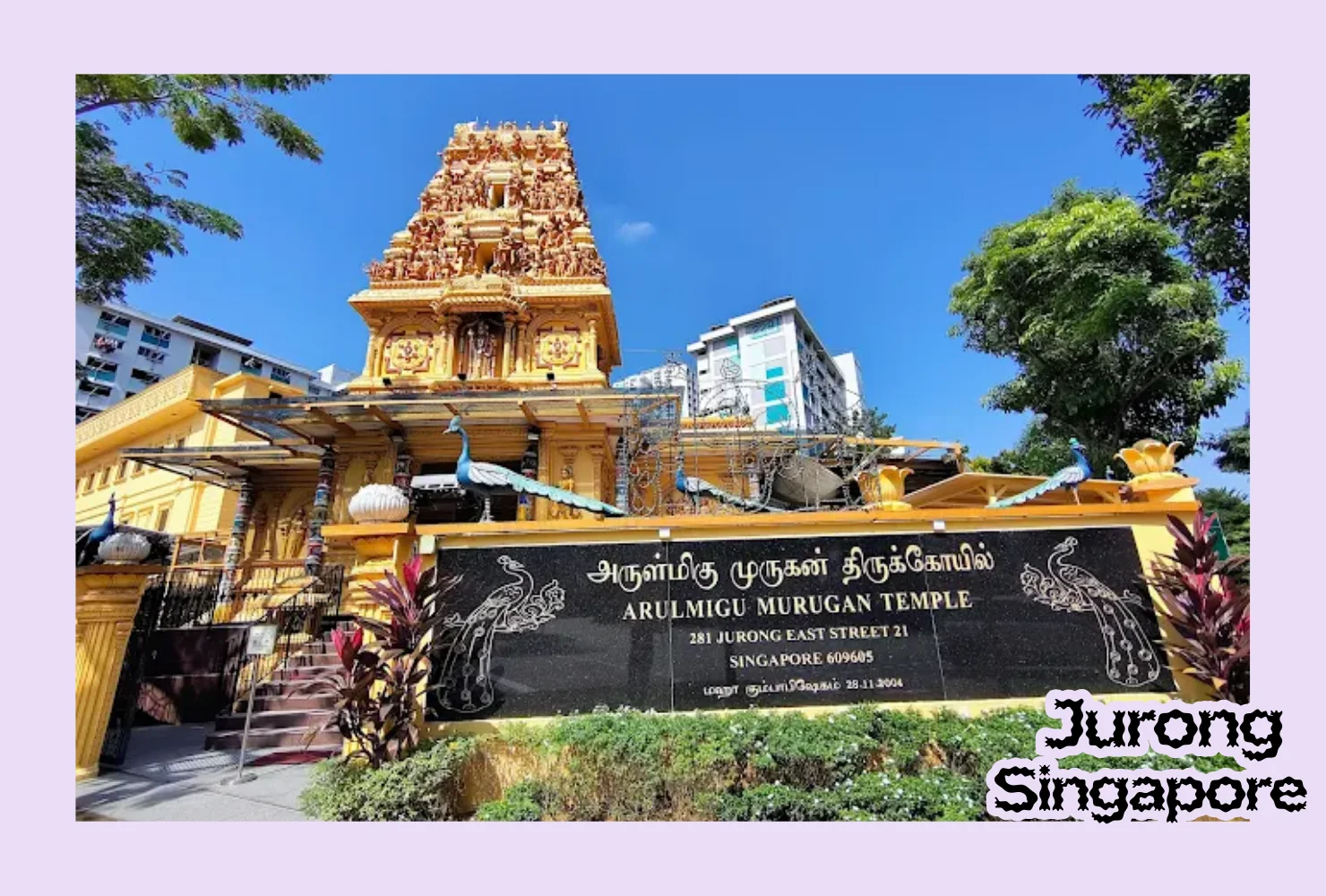
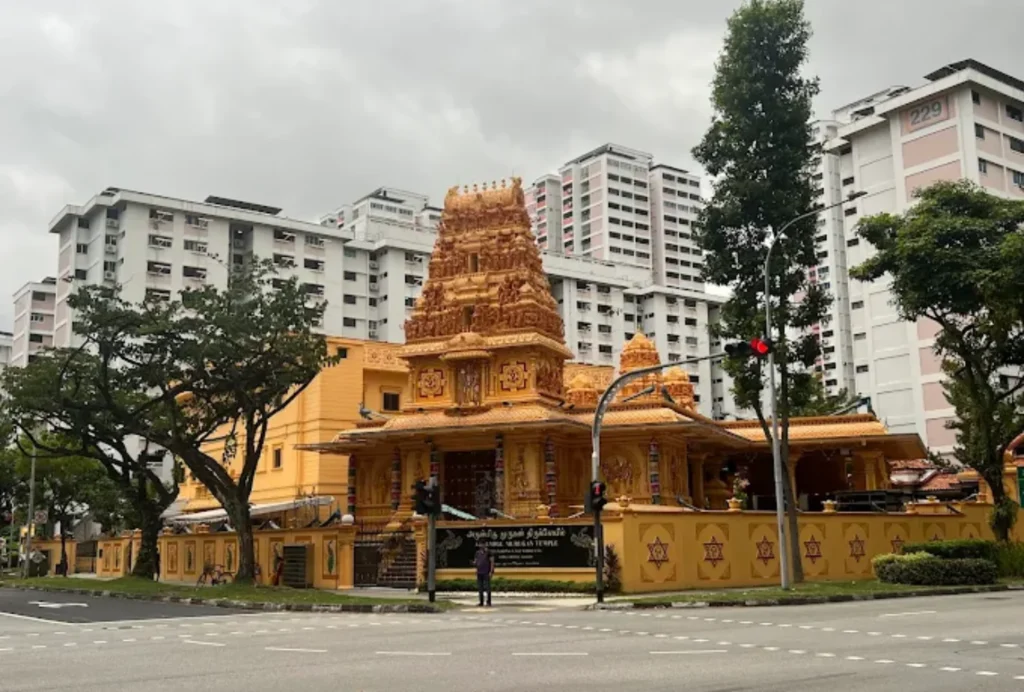
Jurong East Murugan Temple stands as a vibrant spiritual center in Singapore’s western region, serving as a sacred place of worship for devotees of Lord Murugan and the broader Hindu community. Located in Jurong East, one of Singapore’s most accessible and populous residential districts, this temple plays a meaningful role in the spiritual and cultural life of countless families. Lord Murugan, also known as Skanda or Kartikeya, holds a special place in Hindu devotion, revered as the deity of war, wisdom, and courage, and as the son of Lord Shiva and Goddess Parvati. Devotees visit Jurong East Murugan Temple for daily prayers, seek blessings during life’s important moments, participate in colorful festivals, and maintain the cultural traditions that connect them to their heritage. Whether you are a regular devotee, planning your first temple visit, researching Hindu places of worship in Singapore, or simply interested in learning about local religious communities, this comprehensive guide provides all the information you need about the temple, its significance, visiting procedures, and how to reach this sacred space.
Address: 281 Jurong East Street 21, Singapore 609605
The temple land was purchased from the Government in 1993. Devotees built a temporary shelter in 1994 to offer prayers while plans for a permanent building were underway. Due to insufficient funds, construction of the new temple was delayed until 1998.
Construction and Consecration
Professionals offered their services for free, taking five years to complete the detailed artwork and construction. The Hindu community raised S$4 million towards the temple’s construction through collective community efforts. At its consecration in 2004, the temple drew more than 15,000 devotees.
Architecture and Special Features
The main tower is built in the Dravidian style by temple craftsmen from India and features a six-foot statue of Lord Murugan, the presiding deity. It is the only Hindu temple in Singapore to feature a yagasalai, a permanent fixture for prayers involving the use of fire. Every masterpiece in the temple has symbolic meaning; for example, Lord Murugan’s spearhead symbolizes remaining open-minded and focused in life, with the spearhead resembling a spade that is wide at the bottom and pointed at the top.
Community Impact
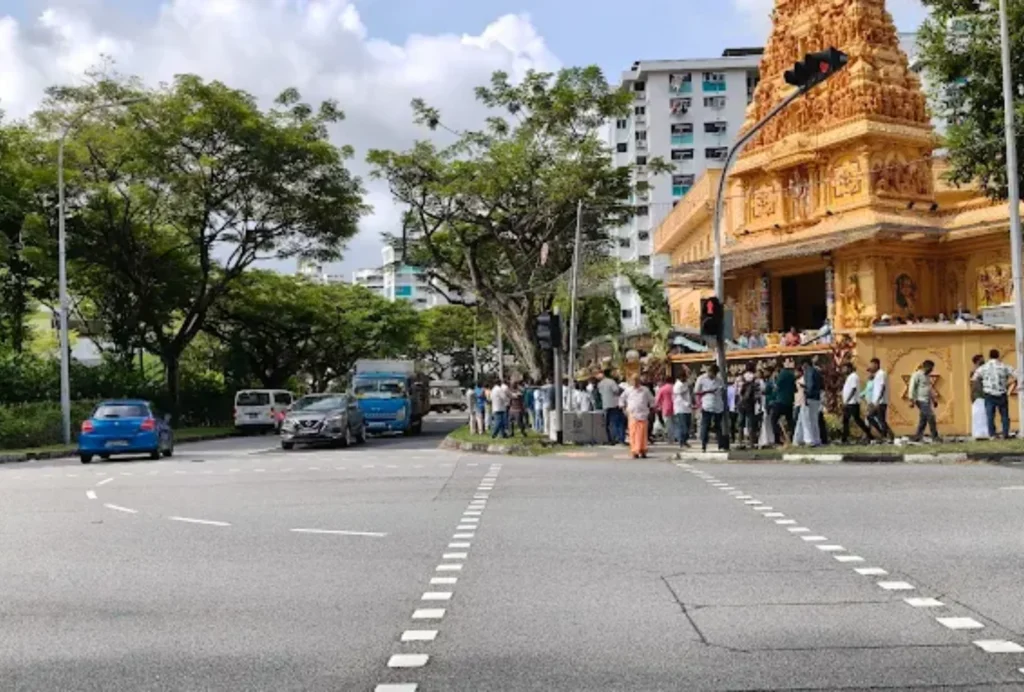
The temple services around 1000 worshippers each day and up to 3000 on weekends, primarily serving devotees from Jurong, Yuhua, Teban, and Boon Lay areas, with both Hindu and non-Hindu Chinese worshippers. The temple is run by volunteers except for the priest who came from South India, and conducts health screenings, monthly food distribution, cash handouts, and bursary schemes for the needy, funded by Indian philanthropies.
Festivals and Special Events at Jurong East Murugan Temple
Thaipusam Celebrations
Thaipusam holds profound significance in Hindu tradition, marking the birthday of Lord Murugan and celebrating his victory over evil forces. This major festival typically falls in January or February according to the Hindu lunar calendar, and Singapore officially recognizes it as a public holiday, allowing devotees to fully participate in celebrations. During Thaipusam, Jurong East Murugan Temple experiences its busiest and most vibrant period, with thousands of devotees visiting to pay respects and participate in religious observances. The festival features stunning processions where devotees carry the kavadi, an ornate wooden arch decorated with flowers, peacock feathers, and religious symbols, suspended from metal hooks pierced through the devotee’s body as a demonstration of extraordinary devotion and penance.
Devotees prepare for weeks before Thaipusam through fasting, prayer, and meditation, purifying themselves spiritually before the festival. During the temple celebrations, devotees offer prayers, perform circumambulation around the sanctum, and seek blessings for health, prosperity, and spiritual growth. The atmosphere during Thaipusam is electric and joyous, filled with devotional singing, the sound of temple bells, the aroma of flowers and incense, and the visible commitment of thousands of devotees to their faith. Crowd management becomes important during Thaipusam, as the temple accommodates many more visitors than during regular days, so arriving early in the morning or later in the evening helps you avoid the most congested periods.
Safety tips during peak festival times include staying with companions, securing personal belongings, maintaining awareness of your surroundings in crowded spaces, and following instructions from temple volunteers who manage crowd flow. The experience of participating in Thaipusam at a local temple like Jurong East Murugan Temple provides profound spiritual insights and connection to Hindu cultural traditions, making it an unforgettable experience for both devotees and observers.
Kumbabishekam and Major Temple Events
Kumbabishekam represents one of the most significant and sacred ceremonies in Hindu temples, marking the ritualistic consecration of the temple sanctum and its deities. The word ‘Kumbabishekam’ derives from Sanskrit terms meaning the ‘pot anointing ceremony,’ referring to the ritual pouring of sacred water and elements over the temple’s inner sanctum. This ceremony is performed periodically, typically every 12 years, though some temples may perform it less frequently depending on various factors. During Kumbabishekam, priests perform elaborate rituals involving sacred chanting, offerings, and purification ceremonies that spiritually reconsecrate the temple and reinvigorate its sanctity.
The ceremony involves the removal of old pots placed within the temple’s spire and the replacement with new ones containing sacred materials, symbolizing spiritual renewal. Kumbabishekam celebrations at Jurong East Murugan Temple attract large numbers of devotees and often receive coverage from media and community organizations, as it represents a significant event in the temple’s spiritual calendar.
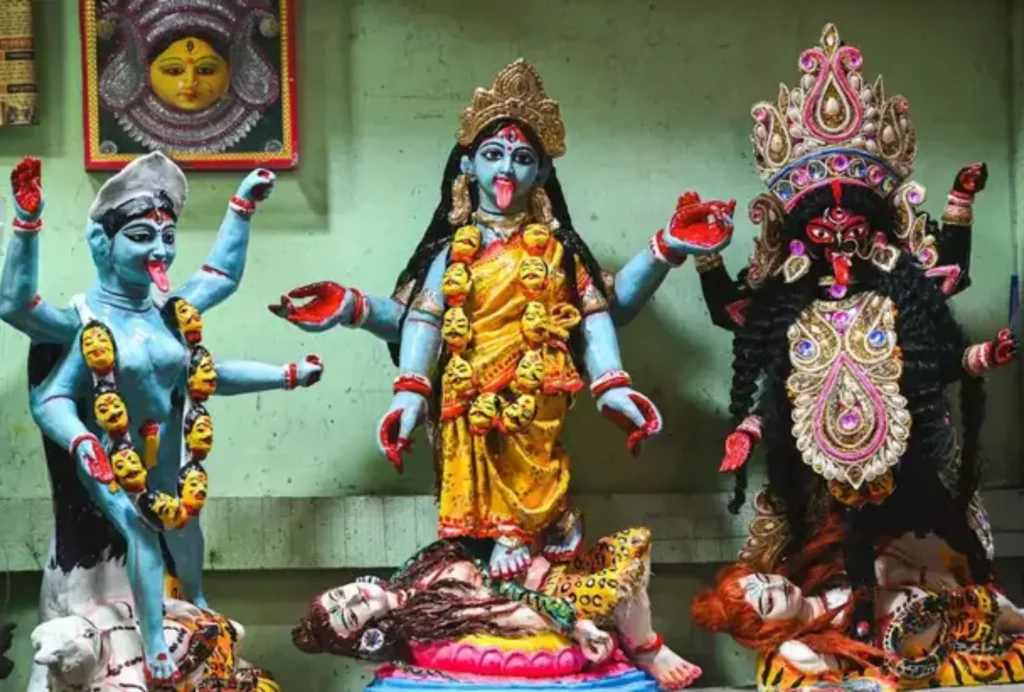
Other special events held at the temple throughout the year include Navratri celebrations honoring the divine feminine, celebrations of Deepavali marking the victory of light over darkness, and various other festivals aligned with the Hindu calendar. These events provide opportunities for the community to gather, celebrate shared traditions, and strengthen bonds among devotees. Checking with the temple directly or visiting the temple’s information board provides information about upcoming special events and their specific dates, allowing you to plan visits during times of particular spiritual significance or cultural interest.
Facilities and Visitor Experience
Jurong East Murugan Temple provides various facilities designed to accommodate visitors comfortably while maintaining the sanctity of the sacred space. The temple features prayer halls where devotees can sit in quiet meditation and concentrate on their spiritual practice, sanctums where the main deities are housed and where priests perform daily rituals, and additional shrine areas dedicated to secondary deities. Meditation areas allow visitors to sit in peaceful reflection, drawing on the temple’s spiritual energy to deepen their practice and seek inner peace.
The temple maintains high standards of cleanliness and maintenance, recognizing that the physical condition of the sacred space reflects and supports the spiritual experience of all who visit. Regular cleaning and maintenance ensure that worship areas remain hygienic, welcoming, and conducive to spiritual practice. Like all Hindu temples, Jurong East Murugan Temple observes traditional etiquette regarding footwear, requiring all visitors to remove their shoes before entering the prayer areas and sanctum.
Dedicated shoe racks are provided for secure storage of footwear during your visit. Beyond footwear rules, other temple etiquette includes maintaining respectful silence in prayer areas, avoiding photography unless explicitly permitted, dressing modestly, and following directions from temple staff regarding movement within the temple premises. Accessibility features accommodate elderly visitors and those with mobility challenges, including accessible pathways, resting areas, and assistance available upon request.
Temple staff are usually available to help elderly or differently-abled visitors navigate the spaces, and elevators or ramps may be present to accommodate those with limited mobility. Families with young children will find that the temple environment, while requiring respect for its sacred nature, generally welcomes families and can be a meaningful introduction to Hindu religious practice for children.
Important Things to Know Before Visiting
Dress code and respectful clothing constitute essential elements of temple etiquette that all visitors should observe. Both men and women should wear modest clothing that covers shoulders, chest, and knees, avoiding tank tops, short shorts, or revealing garments. Traditional clothing like salwar kameez, sarees, or simple casual wear that covers the body appropriately is acceptable and often worn by regular devotees. Removing your shoes before entering the prayer areas is mandatory and a sign of respect in Hindu tradition, so ensure your footwear is easy to remove and that you are comfortable walking barefoot on temple floors.
Photography policies vary by temple and should be clarified before taking photographs inside the sanctum or prayer areas, as many temples restrict photography in sacred areas to maintain reverence and privacy for worshippers. Some temples may allow photography in outer areas but prohibit it in the inner sanctum. Peak visiting hours at Jurong East Murugan Temple typically occur during morning prayers (6 to 8 AM) and evening prayers (5 to 7 PM), particularly on weekends and during religious festivals.
Visiting during off-peak hours, such as late morning or early afternoon on weekdays, allows for a more peaceful experience with fewer crowds, making it easier to concentrate on prayer and meditation. During festival days like Thaipusam, arriving very early or visiting later in the evening helps you avoid the most congested periods. Temple staff and regular devotees are generally happy to help first-time visitors understand proper conduct, so asking questions about practices or etiquette shows respect and a genuine desire to participate appropriately in the temple environment.
How to Get to Jurong East Murugan Temple
Jurong East MRT to Murugan Temple
Jurong East MRT Station, located on the East-West Line at station code EW24, is the nearest and most convenient public transportation hub for reaching the temple. From Jurong East MRT Station, Jurong East Murugan Temple is approximately a 5 to 10 minute walk away, making it highly accessible for those using Singapore’s efficient mass rapid transit system. To walk from Jurong East MRT Station to the temple, exit the station via Exit B, which directs you toward Jurong East Street 21 and the surrounding residential and commercial areas. Once exiting, orient yourself toward the main road and look for signage indicating Jurong East Street 21, where the temple is located.
The walk is straightforward, taking you through a well-developed area with clear pathways, street lighting, and local landmarks that aid navigation. If you are coming from other parts of Singapore, you can take the East-West Line directly to Jurong East Station, which connects from Pasir Ris, Tampines, or other eastern areas. From the north, you can connect from the North-South Line at various interchanges. The journey time to Jurong East MRT from other major stations typically ranges from 15 to 40 minutes depending on your starting location and the number of interchanges required. Mobile applications like MyTransport.SG or Google Maps can provide real-time journey planning and current train schedules, helping you plan your visit efficiently.
Bus Services to Jurong East Murugan Temple
Multiple bus services connect to Jurong East and serve the area around Jurong East Murugan Temple, providing alternative transportation options for those who prefer buses or live in areas where bus services are more direct. Common bus routes serving the temple area include services 51, 154, 156, and 178, which operate frequently throughout the day and evening. The nearest bus stop depends on your direction of approach, but typically bus stops along Jurong East Street 21 or adjacent streets are within a short walk of the temple. From the bus stop, the temple is usually just a 2 to 5 minute walk away, following clear street signage and local landmarks.
For those unfamiliar with Singapore’s bus system, the LRT app or similar navigation applications will display which bus services operate nearest to the temple address and provide real-time arrival information for buses. You can use these applications to plan your journey, selecting bus services based on your current location and preferred travel time. During peak hours, buses may experience occasional delays, so allowing extra travel time during rush periods (7 to 9 AM and 5 to 7 PM on weekdays) ensures you arrive as planned. First-time visitors using buses should check the application for the specific bus stop and service to take, and noting the temple’s address helps you ask the bus conductor if you are uncertain about your stop.
Deities Worshipped at the Temple
Lord Murugan stands as the primary and central deity worshipped at Jurong East Murugan Temple, holding immense spiritual significance in Hindu theology and practice. Lord Murugan is venerated as the son of Lord Shiva and Goddess Parvati, representing divine wisdom, courage, bravery, and victory over evil. In Hindu tradition, Murugan is depicted riding a peacock, holding a lance or spear (vel), symbolizing the destruction of ignorance and the triumph of righteousness. Devotees worship Murugan seeking blessings for protection, wisdom, courage to face life’s challenges, and removal of obstacles on their spiritual path.
The deity is particularly significant during Thaipusam, a major Hindu festival dedicated to Lord Murugan, when thousands of devotees show their devotion through elaborate religious practices and rituals. The temple may also house shrines or representations of other deities commonly found in Hindu temples, such as Lord Ganesha (the remover of obstacles), Lord Shiva, and the divine mother goddesses, reflecting the interconnected nature of Hindu worship. Rituals and practices associated with Murugan worship at the temple include daily prayers (poojas), where priests perform ceremonial offerings of flowers, incense, and food to the deity.
Devotees participate in these rituals by making personal offerings, circumambulating the sanctum, and seeking the deity’s blessings through direct prayer and meditation. During festivals like Thaipusam, devotees perform more elaborate practices such as carrying the kavadi (a decorated wooden arch) during processions as an offering of devotion and penance. Understanding the spiritual significance of Lord Murugan and the temple’s worship practices helps visitors approach the sacred space with appropriate reverence and respect, deepening their spiritual experience and connection to Hindu traditions.
FAQs
What are the opening hours of Jurong East Murugan Temple?
The temple generally opens around 6:00 AM to 7:00 AM for morning prayers and closes around 8:00 PM to 8:30 PM in the evenings. Weekday and weekend hours may vary slightly, and extended hours are observed during major festivals like Thaipusam. It is recommended to contact the temple directly for current opening hours.
How do I get to Jurong East Murugan Temple by MRT?
Take the East-West Line to Jurong East MRT Station (EW24). Exit via Exit B and walk toward Jurong East Street 21. The temple at 281 Jurong East Street 21 is approximately 5 to 10 minutes walking distance from the MRT station.
Is the temple open every day?
Yes, Jurong East Murugan Temple is typically open daily for worship. However, specific activities or maintenance may occasionally affect operating hours on particular days. During major public holidays or after significant festivals, hours may differ. Contacting the temple directly confirms current operating status.
What time does the temple close?
The temple typically closes around 8:00 PM to 8:30 PM in the evenings, though exact closing times may vary depending on the day and season. During festival celebrations like Thaipusam, closing times are extended. Checking with the temple directly provides the most accurate information for your specific visit date.
Is Jurong East Murugan Temple open during Thaipusam?
Yes, the temple is open during Thaipusam with extended hours to accommodate the large number of devotees celebrating the festival. Expect significant crowds during peak hours, and arriving early morning or later in the evening helps you avoid the busiest times while still fully participating in the celebrations.
Conclusion
Jurong East Murugan Temple stands as a beacon of spiritual practice and cultural heritage in Singapore’s western region, welcoming devotees and visitors from all backgrounds to experience Hindu traditions and find spiritual peace. Whether you visit for daily prayers, participate in major festivals like Thaipusam, observe the sacred Kumbabishekam ceremony, or simply wish to explore Singapore’s diverse religious landscape, the temple provides a meaningful and enriching experience grounded in centuries of Hindu practice and devotion. The temple’s convenient location near Jurong East MRT Station, accessible via multiple bus services, and surrounded by community amenities makes it an easily accessible spiritual destination for anyone in Singapore.
By understanding the temple’s history, significance, facilities, and appropriate conduct, you can approach your visit with respect and an open heart, deepening your appreciation for Hindu traditions and the vibrant religious communities that enrich Singapore’s multicultural society. We encourage you to visit Jurong East Murugan Temple, whether as a regular devotee seeking spiritual sustenance or as a curious visitor interested in understanding Singapore’s diverse religious heritage. For current information about opening hours, special events, or specific details about your visit, contacting the temple directly ensures you have the most accurate and up-to-date information. May your visit to this sacred temple bring you blessings, peace, and a deeper connection to the spiritual traditions it preserves and celebrates.