

Best Cafes in Jurong West, Singapore | Coffee & Brunch Spots
The cafe culture in Jurong West has evolved significantly over recent years, transforming the neighborhood from a primarily residential area into a destination for coffee enthusiasts, students seeking study spaces, professionals requiring work-friendly environments, and families looking for casual dining venues. From traditional kopitiam-style coffee shops to modern specialty cafes offering artisan brews, aesthetic interiors, and Instagram-worthy presentations, Jurong West now provides diverse cafe options that cater to different preferences, budgets, and purposes. Whether searching for a quiet corner to complete assignments, a brunch spot for weekend gatherings, halal-certified options for Muslim diners, or simply a comfortable space to meet friends over quality coffee and desserts, the cafe landscape in Jurong West continues expanding to serve its growing community. For more variety near commercial hubs, browse this selection of best cafés in Jurong East Singapore.
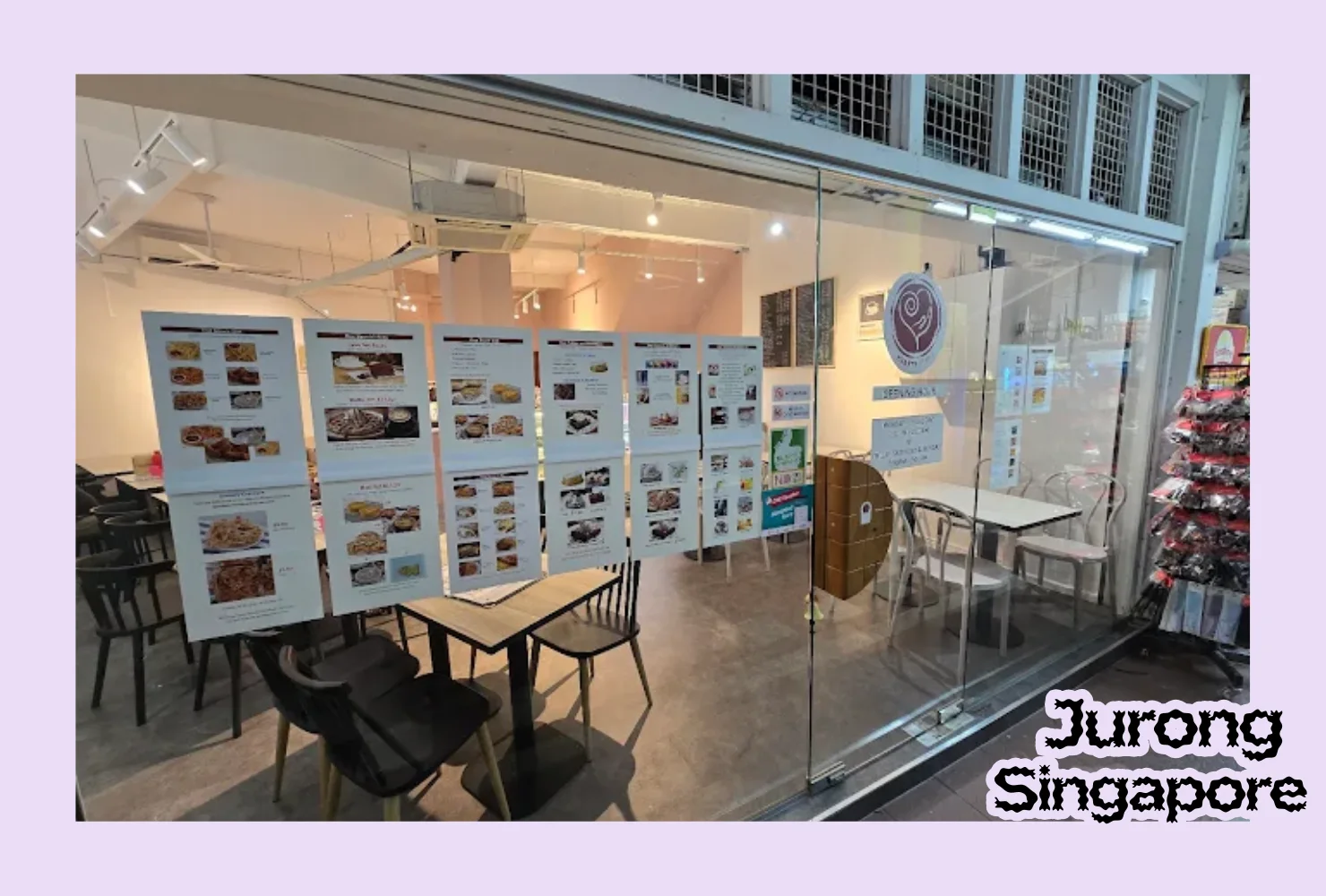
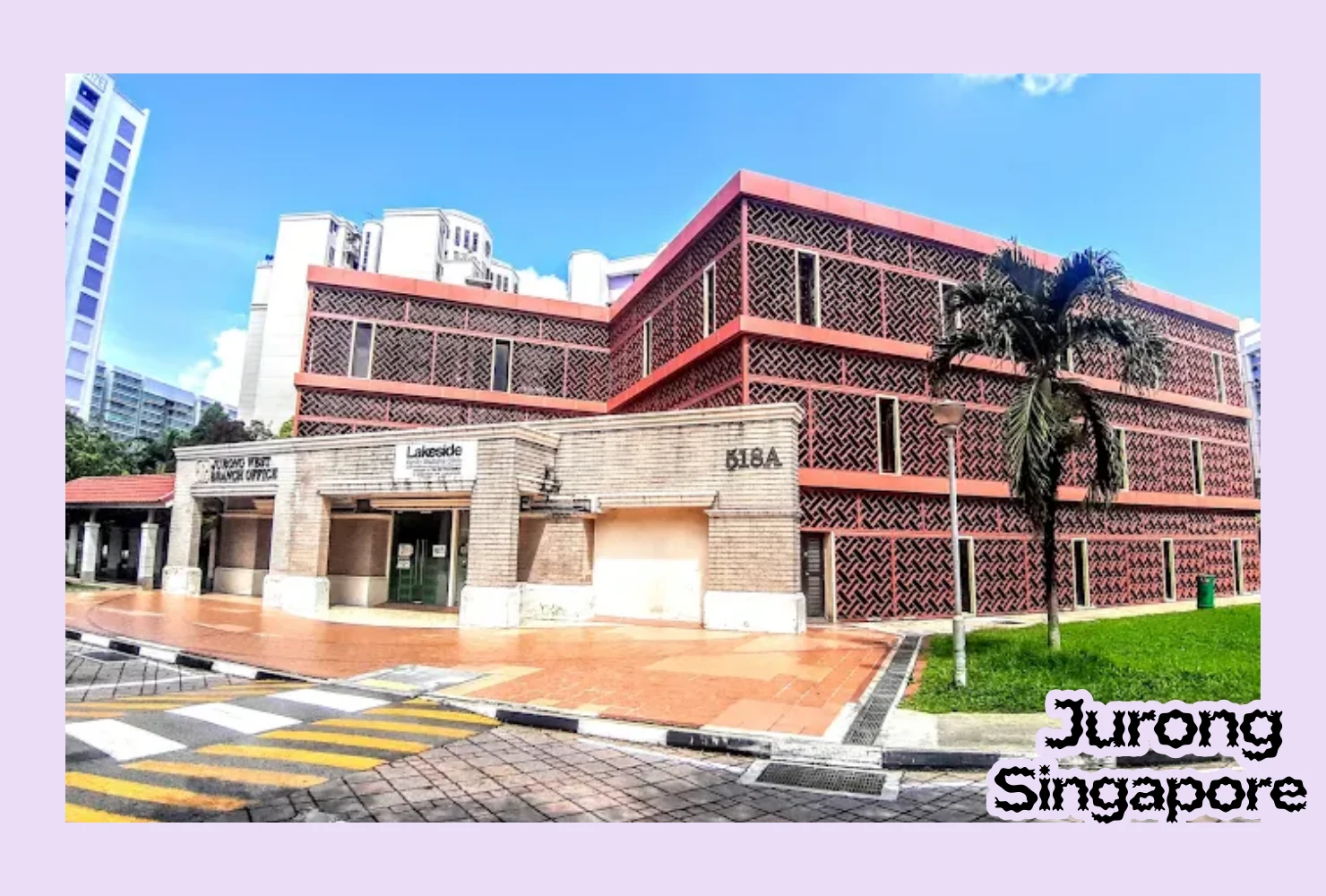
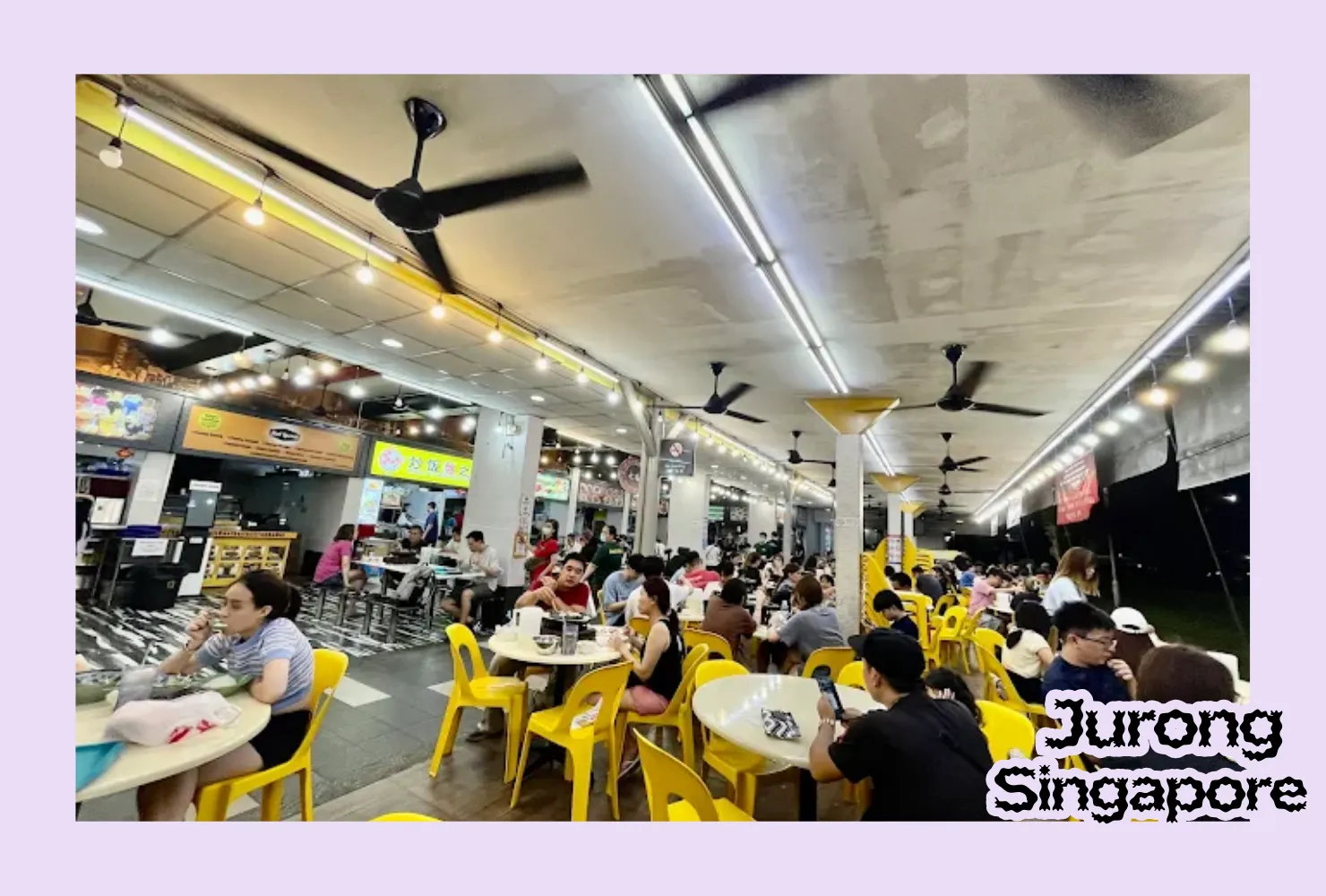
This comprehensive guide explores the cafe scene across Jurong West, covering popular establishments like Time Table Cafe, D Life Bistro & Cafe, Stevens Cafe, and Muyoo Cafe, while also highlighting specialty cafes including halal, vegetarian, Japanese, brunch-focused, and work-friendly venues. Readers will discover location-specific options near Jurong West MRT stations, Jurong West Library, and various residential streets, along with practical information about menus, pricing, opening hours, accessibility, and tips for maximizing cafe visits in this vibrant neighborhood.
Understanding Jurong West's Cafe Scene
Table of Contents
Toggle
Jurong West’s cafe development reflects broader trends in Singapore’s heartland areas, where increasing affluence, changing lifestyle preferences, and demand for third spaces beyond home and work have created opportunities for cafe businesses. The neighborhood’s mature residential character, combined with its student population from nearby educational institutions and working professionals commuting through the area, provides diverse customer segments that support various cafe concepts and business models.
Unlike Singapore’s central districts where cafes cluster densely in commercial zones, Jurong West cafes distribute throughout residential neighborhoods, positioning themselves as community gathering spots rather than tourist destinations. This geographic spread ensures accessibility for local residents who can reach cafes within short walking distances or brief commutes, supporting the role of cafes as regular hangout venues rather than special-occasion destinations requiring significant travel. Families visiting McDonald’s Jurong Central Park playground outlet often explore independent cafés nearby for quieter seating.
The price positioning of Jurong West cafes generally remains more accessible than central district establishments, reflecting the neighborhood’s heartland character and customer demographics. While premium specialty cafes exist serving coffee connoisseurs willing to pay for exceptional quality, most venues maintain moderate pricing that supports frequent visits rather than occasional treats, ensuring cafes remain woven into daily routines rather than reserved for special circumstances.
Evolution from Traditional Kopitiams
Traditional kopitiams serving kopi, teh, and simple breakfast items continue operating throughout Jurong West, providing baseline coffee and tea service that established Singapore’s coffee culture foundation. These establishments maintain loyal customer bases, particularly among older residents who appreciate familiar flavors, affordable pricing, and social atmospheres where regular customers develop friendships over years of daily visits.
Modern specialty cafes complement rather than replace traditional kopitiams, serving different customer segments and purposes. Young professionals, students, and families seeking contemporary cafe experiences gravitate toward modern establishments offering wifi, comfortable seating, diverse menus, and aesthetic environments suitable for extended stays, while traditionalists remain satisfied with kopitiam simplicity and efficiency.
The coexistence of both cafe types ensures Jurong West residents can choose venues matching immediate needs and preferences, whether that means grabbing quick kopi before work or settling into a comfortable cafe for several hours of studying or working remotely.
Cafes by Location in Jurong West
Understanding cafe distribution across Jurong West’s various zones helps visitors and residents identify convenient options based on current location, travel routes, or proximity to other destinations within their itineraries. The following sections organize cafes by geographic areas and landmark proximity, simplifying navigation and discovery. Students from Jurong Secondary School in Jurong West frequently search for affordable study cafés in this area.
Cafes Near MRT Stations & Main Streets
MRT station proximity provides crucial convenience for commuters seeking quick coffee stops before work, meeting spots accessible to friends traveling from different parts of Singapore, or convenient locations for time-constrained visits that benefit from efficient public transport connections. Cafes near Jurong West MRT stations capitalize on steady foot traffic from commuters while also serving as neighborhood gathering spots for residents.
These strategically positioned cafes typically offer grab-and-go options alongside dine-in service, accommodating both rushed commuters and leisurely diners within single establishments. The dual service model maximizes customer capture across different urgency levels and time constraints, ensuring cafes remain busy throughout operating hours rather than experiencing extreme peaks and valleys in traffic patterns.
Main street locations along major roads provide visibility and accessibility that support cafe business while creating convenient stopping points for residents running errands or traveling between destinations. The integration of cafes into daily movement patterns increases spontaneous visits and supports regular customer development as people incorporate cafe stops into routine activities.
Cafes Near Jurong West Library
Jurong West Library’s role as a community hub and study destination creates natural demand for nearby cafes serving students, researchers, and library visitors seeking breaks from focused work or casual spaces for group discussions that library quiet rules prohibit. Cafes within walking distance of the library benefit from this steady traffic while providing essential services that complement library usage.
Study-friendly cafes near the library typically feature reliable wifi, abundant power outlets, comfortable seating arrangements suitable for extended stays, and tolerance for customers nursing single drinks over several hours. These accommodations recognize student budget constraints and study duration requirements, building loyalty among academic customers who return repeatedly throughout semesters.
The proximity to library facilities also attracts families visiting for children’s programs or weekend activities, creating diverse customer segments beyond the student focus. Family-friendly cafes near the library accommodate both serious students and casual family outings within flexible environments that serve multiple purposes.
Cafes in Residential & Hub Areas
Residential neighborhood cafes serve as community living rooms where neighbors gather, local workers find convenient meal options, and residents enjoy accessible leisure without traveling to distant commercial districts. These embedded cafes often develop intimate relationships with surrounding communities, learning regular customers’ preferences and creating welcoming atmospheres that encourage repeated visits.
Jurong West Street 42, Street 52, and Street 91 host various cafe options distributed throughout residential blocks, shopping centers, and community hubs. The street-level presence ensures visibility while maintaining the neighborhood character that helps cafes feel like natural extensions of the community rather than intrusive commercial operations.
Hub area cafes near shopping centers, community centers, and service clusters attract customers combining multiple errands into single outings, positioning cafes as convenient stopping points during grocery shopping, banking, or other routine activities. This integration into daily life patterns builds consistent traffic that supports cafe sustainability even without destination-dining appeal.
Accessibility and Practical Informatioz
Successfully visiting cafes in Jurong West requires understanding transportation options, parking availability, operating hours, and practical considerations that impact visit planning and overall experience quality.
Public Transport Access
MRT connectivity provides efficient access for customers traveling from other parts of Singapore, with Jurong West served by the East-West Line connecting to the island-wide network. MRT station exits and walking routes to specific cafes should be verified through navigation apps ensuring optimal path selection.
Bus services complement MRT access, particularly for cafes located beyond comfortable walking distance from MRT stations. Multiple bus routes traverse Jurong West, with specific route identification through transport apps ensuring efficient journey planning and minimal wait times.
The combination of MRT and bus connectivity ensures comprehensive public transport coverage throughout Jurong West, making most cafes accessible without private vehicles for customers willing to incorporate short walks into their journeys.
Driving and Parking
Customers driving to Jurong West cafes should verify parking availability before visits, as parking conditions vary significantly between locations. Cafes within shopping centers typically offer customer parking in associated facilities, though rates and validation policies differ by venue.
Street-level cafes in residential areas may rely on HDB carpark access or limited roadside parking with availability fluctuating based on time of day and competing demand from residents and other businesses. Arriving with parking flexibility and backup plans prevents frustration when preferred spaces aren’t available.
Operating Hours
Cafe operating hours vary by establishment and day of week, with most venues opening mid-morning and operating through evening hours. Weekend schedules may extend opening hours or shift timing to accommodate brunch crowds and leisurely weekend pacing that differs from weekday patterns.
Public holiday hours require verification as some cafes close or adjust timing during special occasions. Confirming hours through phone calls, website checks, or social media updates prevents wasted trips to closed establishments.
Last order times often precede stated closing hours by 30-60 minutes, ensuring kitchens complete food preparation and cleaning before official closing. Arriving well before closing times ensures full menu availability and unhurried service rather than rushed experiences as staff prepare to close.
Peak and Off-Peak Timing
Weekend brunch hours represent peak traffic at most Jurong West cafes, with crowds intensifying between 10:00 AM and 1:00 PM as customers seek leisurely late-morning meals. Arriving early before 9:30 AM or later after 2:00 PM helps avoid worst crowds and reduces wait times for seating.
Weekday patterns differ, with morning pre-work coffee rushes creating brief peaks followed by quieter mid-morning periods before lunch traffic increases. Afternoon hours between lunch and dinner typically offer quietest conditions for customers seeking peaceful environments for work or relaxation.
Popular Cafes in Jurong West

Several cafes in Jurong West have earned recognition and loyal followings through consistent quality, distinctive concepts, or exceptional execution of fundamental cafe elements. These popular establishments represent various cafe categories and demonstrate the diversity within Jurong West’s evolving cafe landscape.
Time Table Cafe Jurong West
Time Table Cafe has established itself as a recognized name in Singapore’s cafe scene, with the Jurong West outlet bringing the brand’s concept to neighborhood residents seeking quality coffee and food in comfortable, well-designed environments. The cafe emphasizes creating spaces where customers can relax, work, study, or socialize without pressure to vacate quickly, supporting the third-place concept that positions cafes as essential community infrastructure beyond home and office.
The menu at Time Table Cafe typically spans coffee and tea beverages, from classic espresso-based drinks to specialty brews showcasing different beans and preparation methods. Food offerings might include brunch items, sandwiches, pasta, desserts, and baked goods that transform the cafe from simple beverage service into full meal destination. The comprehensive menu allows customers to satisfy various dining occasions from quick coffee breaks to substantial brunches or dinner meetings.
Ambience and interior design receive significant attention, with thoughtful layouts creating distinct zones for different customer needs. Some areas accommodate social groups with communal seating, while quieter corners provide privacy for solo work or intimate conversations. The multi-zone approach acknowledges diverse cafe usage patterns and ensures all customer segments find suitable spaces within single venues.
The work-friendly and study-friendly nature of Time Table Cafe makes it popular among students and remote workers who appreciate reliable wifi, plentiful power outlets, comfortable seating that supports extended stays, and ambient noise levels that balance liveliness with concentration capability. The cafe’s tolerance for long-duration customers without ordering pressure builds loyalty among regular users who require consistent spaces for productive work outside home or office environments.
D Life Bistro & Cafe Jurong West
D Life Bistro & Cafe positions itself as a versatile establishment serving multiple dayparts and dining occasions through comprehensive menus that span breakfast, brunch, lunch, dinner, and dessert categories. The bistro component suggests more substantial food offerings beyond typical cafe fare, potentially including rice dishes, noodles, Western mains, and local favorites that transform the venue into a proper meal destination rather than simple coffee and pastry service.
Brunch service represents a particular strength for establishments like D Life, with weekend brunch crowds seeking leisurely meals in relaxed atmospheres that accommodate extended dining without rushing. Popular brunch items might include egg preparations, pancakes, waffles, breakfast plates, and fusion dishes combining Western and Asian influences that appeal to Singaporean palates accustomed to diverse culinary options.
Dessert offerings at D Life potentially include cakes, pastries, ice cream, and specialty sweet items that attract afternoon and evening crowds seeking treats rather than full meals. The dessert focus creates additional traffic beyond meal periods and provides options for customers wanting lighter fare or social occasions centered on sweets and beverages rather than substantial dining.
The family-friendly nature of bistro-style establishments makes D Life suitable for multigenerational gatherings, children’s celebrations, and casual family dinners that benefit from diverse menus accommodating different age groups and preference ranges. The flexibility supports D Life’s role as a neighborhood gathering spot serving various community needs.
Stevens Cafe Jurong West
Stevens Cafe contributes to Jurong West’s cafe diversity through its particular approach to menu development, service style, or concept execution that distinguishes it from competing establishments. Whether focusing on specific cuisine influences, pricing strategies, or atmosphere creation, Stevens Cafe occupies a distinct position within the neighborhood’s cafe ecosystem.
Understanding what makes Stevens Cafe unique helps customers identify whether it matches their current needs better than alternatives. Factors including menu variety, specialty items, price points, ambience, seating capacity, wifi quality, and service approach all influence venue selection and determine which cafes become regular haunts versus occasional visits or one-time trials.
Muyoo Cafe Jurong West
Muyoo Cafe may represent more specialized concepts within Jurong West’s cafe scene, potentially focusing on particular cuisine styles, beverage specializations, or target demographics that create niche appeal rather than broad mass-market positioning. Understanding these specializations helps customers with specific preferences identify cafes most likely to satisfy their particular desires.
The name suggestion of possible Korean or Japanese influences might indicate menu items, beverage styles, or aesthetic approaches derived from East Asian cafe cultures that have gained popularity throughout Singapore. These cultural influences manifest in specific coffee preparation methods, dessert types, interior design choices, and service approaches that create distinctive experiences differentiating specialized cafes from more generic establishments.
15 Best Cafés in Jurong West

Jurong West has a growing café culture that blends cozy neighborhood spots, dessert cafés, and familiar coffee chains. These cafés are generally more relaxed and affordable than central locations, making them ideal for everyday coffee, casual meetups, and family outings.
From specialty coffee and handcrafted drinks to traditional kopi and dessert-focused cafés, Jurong West offers plenty of options for locals, students, and visitors looking for a comfortable place to unwind.
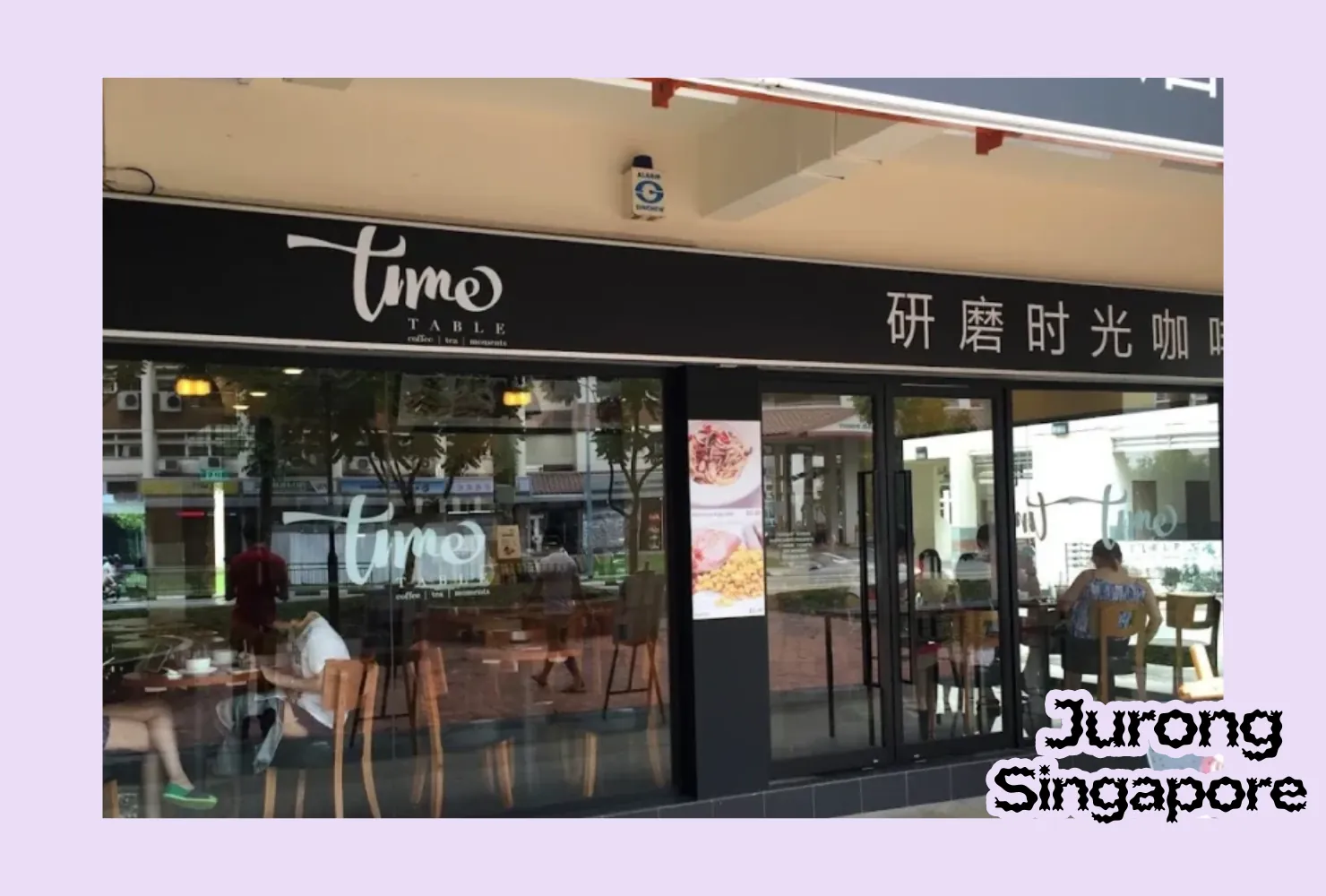
Time Table Cafe 研磨时光咖啡
Time Table Cafe is a quiet neighborhood café located at Block 456 Jurong West Street 41, #01-726. It is popular among students and residents looking for a calm space to study, work, or enjoy a relaxed coffee break.
Prices are affordable, usually ranging from SGD 6 to 15 per person, with a menu focused on handcrafted drinks and light snacks. The peaceful atmosphere makes it a reliable everyday café rather than a crowded hangout.
Suzuki Cafe and Roastery
Suzuki Cafe and Roastery, located at 8 Chin Bee Avenue, is known for its in-house roasted coffee beans and strong focus on coffee quality. It attracts serious coffee drinkers who prefer well-crafted brews over decorative café concepts.
With prices typically between SGD 8 and 18 per person, the café keeps things simple and functional. It’s best suited for coffee-focused visits rather than long café meals.
Bok’s Kitchen by Hidden Chefs – Singapore
Bok’s Kitchen by Hidden Chefs is located at 216 Boon Lay Avenue, #01-01, and combines café dining with hearty comfort food. The space is welcoming and suitable for families, small groups, and casual meals.
Meals and drinks usually cost between SGD 10 and 20 per person, offering good value for portion sizes. It’s a convenient spot if you want both food and coffee in one place.
Manywoosh’s
Manywoosh’s is a casual neighborhood café located within the Jurong West area and mainly serves nearby residents. It’s commonly visited for quick coffee breaks or light refreshments.
Prices generally fall between SGD 8 and 15 per person, making it an affordable option for short visits rather than extended café sessions.
BK Eating House
BK Eating House at JurongVille@Avenue, 491 Jurong West Avenue 1, #01-173, offers a traditional coffeeshop experience rather than a modern café setting. It’s popular among residents who prefer familiar local flavors.
With meals and drinks typically costing between SGD 6 and 12, it’s a practical choice for breakfast, kopi breaks, or simple everyday meals.
Ghost Kakigori (Jurong Point)
Ghost Kakigori is located inside Jurong Point at 1 Jurong West Central 2, #02-K9/K10, making it an easy dessert stop after shopping. The café specializes in Japanese-style shaved ice with creative toppings.
Desserts usually range from SGD 8 to 16 per person. It’s especially popular with families and younger diners looking for something refreshing.
Feng Hokkien Mee
Feng Hokkien Mee is located at 503 Jurong West Avenue 1, #01-855 and operates in a hawker-style setting rather than a café environment. Locals often pair meals here with quick kopi breaks.
Prices are very affordable, usually between SGD 5 and 10 per person, making it suitable for everyday meals rather than café hopping.
Family Mookata Jurong West
Family Mookata Jurong West can be found at 429 Jurong West Avenue 1, #01-322 and is well-known for group-friendly dining. While not a traditional café, it functions as a casual social hangout.
Meals generally cost between SGD 15 and 30 per person, and many diners linger for drinks and desserts after their meal, especially during evenings.
The Noob Coffee
The Noob Coffee is located at Block 259 Boon Lay Drive, #02-519, offering a minimalist and quiet space for coffee lovers. It focuses on approachable specialty coffee without complicated menus.
With prices ranging from SGD 6 to 14 per person, it’s ideal for quick caffeine fixes or solo coffee breaks.
Fun Toast (Jurong Point)
Fun Toast is located inside Jurong Point at 1 Jurong West Central 2, #02-31 and serves classic Singaporean café fare like kaya toast and kopi. It’s a familiar choice for commuters and shoppers.
Prices remain budget-friendly, typically between SGD 5 and 10 per person, with quick service throughout the day.
Starbucks – Jurong Point
Starbucks at Jurong Point, located at 63 Jurong West Central 3, #03-52/52A, offers a familiar café environment with ample seating. It’s commonly used for meetings, studying, or solo work sessions.
Drinks and light food usually cost between SGD 7 and 15 per person, depending on your order.
W39 Bistro & Bakery
W39 Bistro & Bakery is located at 39 Jalan Mas Puteh and offers a café-bistro dining experience with baked goods and Western-style meals. It suits brunches, casual dinners, and relaxed gatherings.
Prices are higher than neighborhood cafés, typically ranging from SGD 12 to 25 per person, reflecting its bistro-style menu.
Kimly Coffeeshop
Kimly Coffeeshop at 501 Jurong West Street 51, #01-251 is a traditional local spot serving kopi and simple meals. It’s a daily go-to for many residents in the area.
With prices usually between SGD 4 and 8 per person, it’s one of the most affordable coffee options in Jurong West.
The Coffee Bean & Tea Leaf (Jurong Point)
The Coffee Bean & Tea Leaf is located at 1 Jurong West Central 1, #01-16E inside Jurong Point. It’s known for tea-based drinks and ice-blended beverages in a comfortable mall setting.
Prices generally range from SGD 7 to 16 per person, making it suitable for casual meetings or quiet downtime.
Pang Zi Durian Dessert & Ice Cream House
Pang Zi Durian Dessert & Ice Cream House is located at 492 Jurong West Street 41, #01-18, beside Giant. It specializes in durian-based desserts and ice cream, drawing strong local crowds.
Desserts usually cost between SGD 6 and 15 per person, making it a popular post-dinner dessert stop for durian lovers.
Specialty Cafes in Jurong West
Beyond mainstream cafes serving general populations, Jurong West hosts specialty establishments catering to specific dietary requirements, preference niches, or functional needs that mainstream venues don’t adequately address. These specialty cafes fill important gaps in the neighborhood’s dining landscape and serve customer segments whose needs might otherwise go unmet.
Halal Cafes

Singapore’s significant Muslim population creates demand for halal-certified cafes where Muslim customers can enjoy contemporary cafe culture while maintaining religious dietary compliance. Halal cafes in Jurong West provide these essential services, ensuring Muslim residents don’t face exclusion from the social and culinary experiences that cafes provide.
Halal certification requires comprehensive ingredient sourcing verification, preparation method monitoring, and regular inspections that maintain compliance with Islamic dietary laws. Certified cafes display valid halal certificates issued by recognized Islamic authorities, providing assurance to customers that all menu items meet religious requirements without need for individual verification.
Menu development at halal cafes requires creative substitutions for common cafe ingredients that don’t comply with halal standards, including alcohol-based flavorings, certain gelatin products, and non-halal meat sources. Successful halal cafes develop appealing alternatives that deliver satisfying taste experiences while maintaining religious compliance, proving that halal restrictions don’t necessitate flavor compromises.
The social importance of halal cafes extends beyond simple dining, creating inclusive spaces where Muslim friends, families, and colleagues can gather without dietary concerns disrupting social experiences. This inclusion supports Singapore’s multicultural fabric and ensures religious practices don’t create social barriers.
Vegetarian Cafes
Vegetarian and plant-based cafes serve growing populations of vegetarians, vegans, flexitarians, and health-conscious diners seeking meatless options in supportive environments. These specialty cafes move beyond simply offering token vegetarian items on otherwise meat-focused menus, instead centering entire concepts around plant-based cuisine that receives full creative attention.
Menu creativity at vegetarian cafes demonstrates that meatless dining can deliver satisfaction, variety, and culinary interest comparable to omnivorous offerings. Innovative protein substitutions, vegetable-forward preparations, and creative flavor combinations prove that vegetarian cuisine extends far beyond simple salads and steamed vegetables.
The environmental and ethical dimensions of vegetarian dining appeal to customers motivated by sustainability concerns, animal welfare principles, or health optimization beyond simple taste preferences. Vegetarian cafes often attract ideologically aligned communities who appreciate spaces reflecting their values while enjoying meals with like-minded individuals.
Japanese Cafes
Japanese-influenced cafes bring elements of Japan’s sophisticated cafe culture to Jurong West, potentially featuring matcha-based beverages, Japanese-style desserts, minimalist aesthetics, and service approaches reflecting Japanese hospitality traditions. These cultural influences create distinctive experiences that differentiate Japanese cafes from Western-style establishments dominating much of Singapore’s cafe scene.
Matcha drinks ranging from traditional preparation to creative lattes and frappes showcase green tea’s versatility while appealing to health-conscious customers appreciating matcha’s nutritional benefits. Japanese desserts including mochi, dorayaki, castella cake, and parfaits introduce customers to sweet preparations less common in Western dessert traditions.
The aesthetic emphasis on simplicity, natural materials, and careful presentation aligns with Japanese design principles that create calming atmospheres conducive to relaxation and contemplation. This approach appeals to customers seeking respite from visual clutter and sensory overwhelm common in busier cafe environments.
Brunch Cafes
Brunch-focused cafes emphasize weekend and late-morning dining when customers seek leisurely meals in relaxed atmospheres without the time pressure of weekday breakfast rushes. Brunch culture has grown significantly in Singapore, with dedicated cafes developing comprehensive menus specifically for late-morning and early-afternoon dining occasions.
Signature brunch items typically include egg preparations like benedicts, shakshuka, or omelets, alongside pancakes, waffles, French toast, and breakfast plates combining multiple components. The fusion of Western brunch traditions with Asian influences creates distinctive Singaporean brunch styles incorporating local flavors and ingredients.
The social nature of brunch dining makes brunch cafes popular for friend gatherings, family weekends, and celebrations that benefit from relaxed pacing and comfortable atmospheres. The extended dining duration typical of brunch occasions requires cafes to accommodate long table occupancy without rushing customers, differentiating brunch service from faster-turnover meal periods.
Ice Cream Cafes

Ice cream cafes and gelaterias specialize in frozen desserts, often featuring artisan production, creative flavors, and premium ingredients that elevate ice cream from simple treats to culinary experiences worthy of dedicated visits. These specialty venues attract dessert enthusiasts, families with children, and customers seeking lighter fare than full meals provide.
Flavor innovation drives ice cream cafe appeal, with unique combinations, seasonal specials, and local ingredient incorporation creating distinctive offerings unavailable at mass-market ice cream retailers. The craftsmanship and creativity involved in artisan ice cream production justify premium pricing that positions these cafes as destination venues rather than commodity suppliers.
The social and celebratory associations with ice cream make these cafes particularly popular for casual outings, date nights, post-meal desserts, and childhood nostalgia indulgence that transcends simple taste satisfaction.
Work-Friendly and Study Cafes
Work-friendly cafes specifically accommodate remote workers, freelancers, students, and professionals requiring productive spaces outside traditional office or home environments. These cafes recognize that contemporary work patterns increasingly involve flexible locations and provide infrastructure supporting productivity rather than merely tolerating long-duration customers.
Essential amenities for work-friendly cafes include reliable high-speed wifi, abundant power outlets at each seating position, comfortable ergonomic chairs suitable for multi-hour use, adequate lighting for screen work and reading, and ambient noise levels that support concentration without oppressive silence. The infrastructure investments signal cafe commitment to serving working customers seriously rather than grudgingly accepting their presence.
The tolerance for extended stays without constant ordering differentiates genuinely work-friendly cafes from establishments that discourage long-duration customers through hostile policies, uncomfortable seating, or aggressive table-turning strategies. Understanding each cafe’s attitude toward working customers helps remote workers identify welcoming venues versus those better suited to brief social visits.
Cyber Cafes
Cyber cafes serve niche customer segments requiring gaming computers, high-performance hardware, or access to equipment unavailable at home. While cyber cafes have declined from their peak popularity as home internet access became universal, they persist by serving specific needs including gaming tournaments, specialized software access, and social gaming experiences that home isolation cannot provide.
The gaming community emphasis at cyber cafes creates distinctive atmospheres quite different from traditional cafes, with heightened energy, competitive intensity, and social dynamics centered on shared gaming experiences. These venues appeal to specific customer types while potentially alienating others seeking quieter, more contemplative cafe experiences.
Menu Highlights and Pricing Across Jurong West Cafes
Understanding typical menu offerings and pricing ranges across Jurong West cafes helps customers set appropriate expectations and make informed venue selections based on budget constraints and desired dining experiences. While specific menus vary significantly between establishments, certain patterns and categories remain consistent across most cafes.
Coffee and Beverage Offerings
Coffee beverages form the foundation of cafe menus, with most establishments offering espresso-based drinks including lattes, cappuccinos, flat whites, americanos, and macchiatos prepared using commercial espresso machines and skilled baristas. The quality of coffee beans, roasting profiles, and barista technique significantly impact flavor quality and justify pricing differences between establishments.
Specialty coffee preparation methods including pour-over, siphon, cold brew, and nitro coffee appeal to coffee enthusiasts seeking specific flavor profiles and brewing technique demonstrations. These premium preparation methods typically command higher prices reflecting additional labor, equipment costs, and bean quality requirements.
Non-coffee beverages ensure cafes serve customers who don’t drink coffee or prefer alternatives during particular occasions. Tea selections ranging from basic black and green teas to premium loose-leaf varieties and specialty preparations provide alternatives, while chocolate drinks, fresh juices, smoothies, and soft drinks further expand beverage options.
Seasonal and signature drinks create uniqueness and marketing opportunities, with limited-time offerings generating excitement and encouraging repeat visits to sample new creations before they disappear from menus.
Food Categories and Popular Items
Breakfast and brunch items anchor morning service, with egg dishes, toast variations, breakfast sets, and morning pastries satisfying customers seeking substantial morning meals. The all-day breakfast trend allows customers to order morning favorites during lunch and dinner, accommodating flexible schedules and breakfast food preferences that extend beyond traditional morning hours.
Lunch and dinner mains including pasta, rice dishes, noodles, sandwiches, burgers, and salads transform cafes into meal destinations capable of serving throughout the day rather than simply providing coffee and light snacks. The substantial food offerings justify extended visits and higher per-customer spending that improves cafe economics.
Desserts and baked goods displayed prominently near ordering counters encourage impulse purchases and provide options for customers seeking lighter fare than full meals. Cakes, pastries, cookies, muffins, and other sweets appeal across demographics and dining occasions, supporting afternoon tea culture and post-meal treats.
Pricing Considerations
Pricing in Jurong West cafes generally reflects heartland positioning rather than premium central district rates, with most establishments maintaining accessible prices that support regular visits rather than occasional splurges. Coffee prices typically fall within moderate ranges comparable to mainstream chains but potentially slightly elevated for specialty preparations or premium beans.
Food item pricing varies significantly based on portion sizes, ingredient quality, and preparation complexity, with simple toast and pastries priced affordably while substantial mains command higher prices reflecting ingredient costs and preparation labor. Understanding value propositions helps customers assess whether pricing aligns with quality, portions, and overall experience delivery.
Set meals and promotional deals enhance value perception, bundling beverages with food items at discounted total prices compared to ordering items individually. These combinations appeal to budget-conscious customers and encourage higher spending through perceived savings.
Tips for Visiting Cafes in Jurong West

Maximizing cafe visit satisfaction involves understanding certain strategies, etiquette expectations, and practical approaches that enhance experiences while respecting establishment operations and other customers.
Selecting the Right Cafe
Matching cafe selection to immediate purpose ensures satisfaction rather than frustration when venues don’t meet unstated expectations. Work-focused visits require different cafe characteristics than social gatherings, date nights, or family outings, with advance research identifying venues best suited to specific occasions.
Reading recent reviews and checking social media updates provides current information about menu changes, temporary closures, quality fluctuations, or other factors affecting visit planning. Outdated information can lead to disappointment when expected items or conditions no longer exist.
Ordering Strategy

Starting with signature or recommended items introduces cafes’ strengths and provides baseline experiences for comparing against other visits or alternative establishments. Asking baristas or servers for recommendations yields insider knowledge about current best offerings and items receiving particular care or featuring exceptional ingredients.
Customization requests should balance personal preferences with respect for cafe operations, with reasonable modifications generally accommodated while overly complex custom orders may receive pushback during busy periods. Clear communication about preferences, dietary restrictions, and preparation requirements ensures orders meet expectations.
Seating Etiquette
Respecting seating norms helps maintain positive cafe atmospheres and fair access for all customers. During peak periods, hogging tables beyond reasonable dining duration or occupying large tables as solo customers when smaller options exist demonstrates inconsiderate behavior that negatively impacts other patrons.
Work-friendly cafes with explicit policies supporting extended stays differ from establishments prioritizing table turnover, with customers responsible for understanding each venue’s approach and behaving accordingly. When uncertain, observing other customers or asking staff about long-stay policies clarifies expectations.
Supporting Cafe Operations
Minimum spending expectations at some cafes require ordering additional items during extended stays, supporting cafe economics while maintaining access to spaces and amenities. Understanding these expectations and complying demonstrates appreciation for venues providing work spaces and tolerating long-duration customers.
Respecting noise levels maintains comfortable environments for all customers, with voice modulation and phone call discretion preventing disruption of others’ experiences. Video calls in public cafes should be conducted with awareness of background noise impact and visual intrusion into other customers’ spaces.
Frequently Asked Questions
Where are the best cafes in Jurong West?
The best cafe depends on your taste, budget, and needs. Popular choices include Time Table Cafe, D Life Bistro & Cafe, Stevens Cafe, and Muyoo Cafe.
Which cafes are near Jurong West MRT or Library?
Several cafes are within walking distance of Jurong West MRT stations and the library. Locations may change, so checking maps or reviews is recommended.
Are there vegetarian or halal cafes in Jurong West?
Yes, Jurong West has vegetarian and halal-friendly cafes. Always verify halal certification directly with the cafe.
Which cafes are good for study or work?
Work-friendly cafes usually offer wifi, power outlets, and comfortable seating. Cafes near the library are especially popular with students.
What makes Jurong West cafes different from city cafes?
They focus more on community, comfort, and affordability rather than trendy or tourist-style experiences.
Conclusion
The cafe scene in Jurong West has matured into a diverse ecosystem serving various customer needs, from quick coffee stops for commuters to comfortable work spaces for remote professionals, leisurely brunch venues for weekend family gatherings, and specialty cafes accommodating specific dietary requirements or cultural preferences. Establishments like Time Table Cafe, D Life Bistro & Cafe, Stevens Cafe, and Muyoo Cafe represent the neighborhood’s growing cafe culture, while halal, vegetarian, Japanese, and dessert-focused specialty venues ensure comprehensive coverage of diverse community needs. Whether residents seeking convenient neighborhood hangouts or visitors exploring Jurong West’s culinary landscape, the area’s cafes provide accessible, quality options that prove Singapore’s heartland neighborhoods offer cafe experiences rivaling central district establishments. From study sessions at library-adjacent cafes to celebration brunches at family-friendly bistros, Jurong West’s cafe culture continues evolving to serve its dynamic, growing community with spaces that nourish both body and social connection.