

Jurong West MRT Station Guide | Directions & Nearby Amenities
Jurong West MRT Station (JS6) represents a strategic expansion of Singapore’s public transport infrastructure, bringing world-class transit connectivity to the western reaches of the Jurong district. Currently under construction at Jurong West Avenue 2, this new station will serve as a critical gateway for the thousands of residents living in the surrounding neighborhoods, particularly those in blocks along Jurong West Street 41, Jurong West Street 42, and the broader western Jurong area. Upon its completion, Jurong West MRT will fundamentally transform the commuting experience for residents in these communities, offering direct access to Singapore’s East-West Line and eliminating the current reliance on bus services for many travelers.
The strategic importance of Jurong West MRT extends beyond its local impact. The station will serve as a vital node in Singapore’s broader transport network, connecting western Jurong residents to employment centers, educational institutions, shopping districts, and recreational amenities across the island. This comprehensive guide provides essential information for current and future residents, daily commuters, and anyone planning to utilize this upcoming transit facility. On 9 May 2018, LTA announced that Jurong West station would be part of the proposed Jurong Region line (JRL). The station will be constructed as part of Phase 1, JRL (West), consisting of 10 stations between Choa Chu Kang, Boon Lay and Tawas, and is expected to be completed in 2027.
On 20 November 2019, Contract J105 for the design and construction of Jurong West Station and associated viaducts was awarded to China Railway 11 Bureau Group (Singapore Branch) at a sum of S$210.1 million. Construction starts in 2020, with completion in 2027. Contract J105 also includes the design and construction of Bahar Junction Station, and associated viaducts.
Initially expected to open in 2026, the restrictions on the construction due to the COVID-19 pandemic has led to delays in the JRL line completion, and the date was pushed to 2027
Overview of Jurong West MRT
Table of Contents
Toggle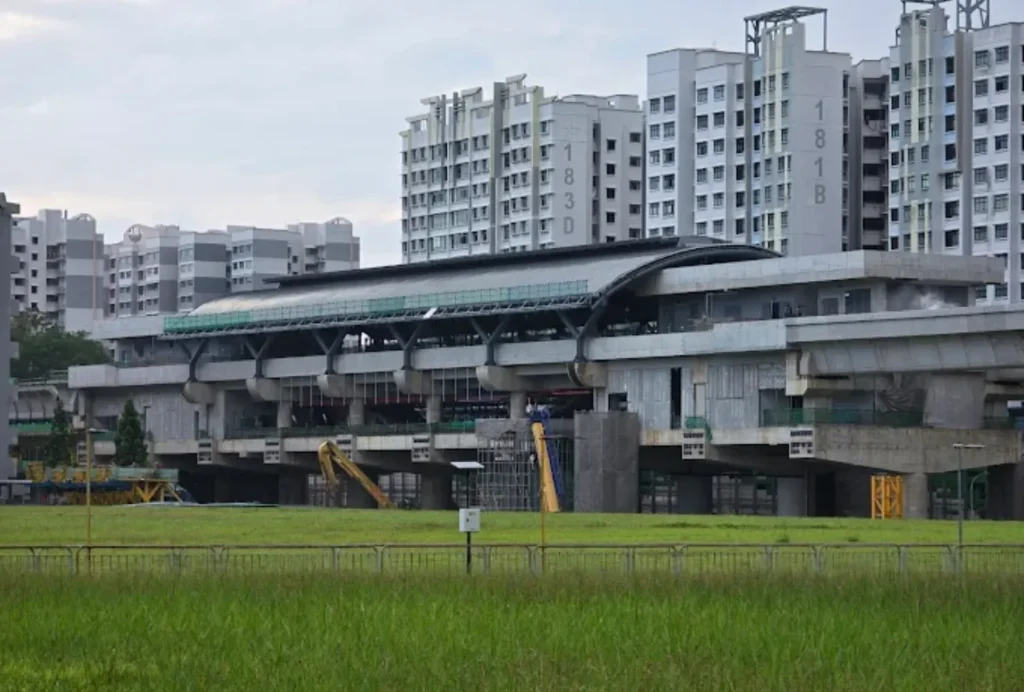
Station Type and Classification
Jurong West MRT Station (JS6) is a new underground MRT station currently under construction as part of Singapore’s strategic expansion of its rapid transit network. The station designation “JS6” identifies it as a station on the East-West Line (EW Line), following the established naming convention where “J” represents Jurong-area stations and the numerical designation indicates the sequential position within the district’s MRT infrastructure. The station’s development reflects Singapore’s commitment to providing equitable public transport access to all residential areas, ensuring that newer neighborhoods enjoy the same transit connectivity as established districts.
The station is designed to modern MRT specifications, incorporating contemporary architectural principles, universal accessibility features, and advanced operational systems. As an underground station, Jurong West MRT will feature platform-level environmental controls, advanced fire safety systems, and integrated emergency communication infrastructure meeting international safety standards. The station’s design emphasizes passenger comfort and operational efficiency, with layouts optimized for smooth passenger flow even during peak usage periods.
Importance for Commuters in Jurong West
For residents of Jurong West, the completion of JS6 will represent a transformative change in their daily commuting options. Currently, many residents rely primarily on bus services to reach employment centers, shopping districts, and other major destinations across Singapore. The introduction of direct MRT access will reduce average commute times substantially, improve service reliability (as MRT is largely unaffected by traffic congestion), and provide greater flexibility in journey planning. Residents in Blocks 247, 481, 556, 558, 666A, and the numerous other residential clusters in western Jurong will benefit from significantly improved connectivity.
For working residents commuting to central business districts, the time savings will be particularly significant. Journey times from Jurong West to the city center and major employment hubs like Marina Bay are expected to decrease by 15-25 minutes compared to current bus-dependent journeys. Students accessing educational institutions across Singapore will enjoy improved access, and families exploring recreational and shopping destinations will find the direct MRT connection invaluable. The station will serve as an anchor point for the broader district, elevating the area’s attractiveness to potential residents and supporting economic vitality.
Key Operational Details
Upon completion and opening for passenger service, Jurong West MRT will operate according to standard East-West Line schedules and frequencies. Trains on the EW Line typically operate from approximately 5:30 AM (first trains) through approximately 11:30 PM (final trains daily), with extended service on specific occasions. The frequency of trains will match existing EW Line standards: trains arriving every 2-4 minutes during peak periods (7-9 AM and 5-7 PM on weekdays) and every 5-8 minutes during off-peak periods.
The station’s operational capacity is designed to handle the projected passenger demand from the surrounding residential and commercial development. State-of-the-art systems ensure efficient boarding and alighting, with multiple platform configurations enabling safe and orderly passenger movement even during the busiest periods. Real-time information systems will display train arrival information, enabling passengers to plan their movements within the station and anticipate boarding opportunities. Staff will be present throughout operating hours to assist passengers and manage station operations.
Location & Nearby Areas
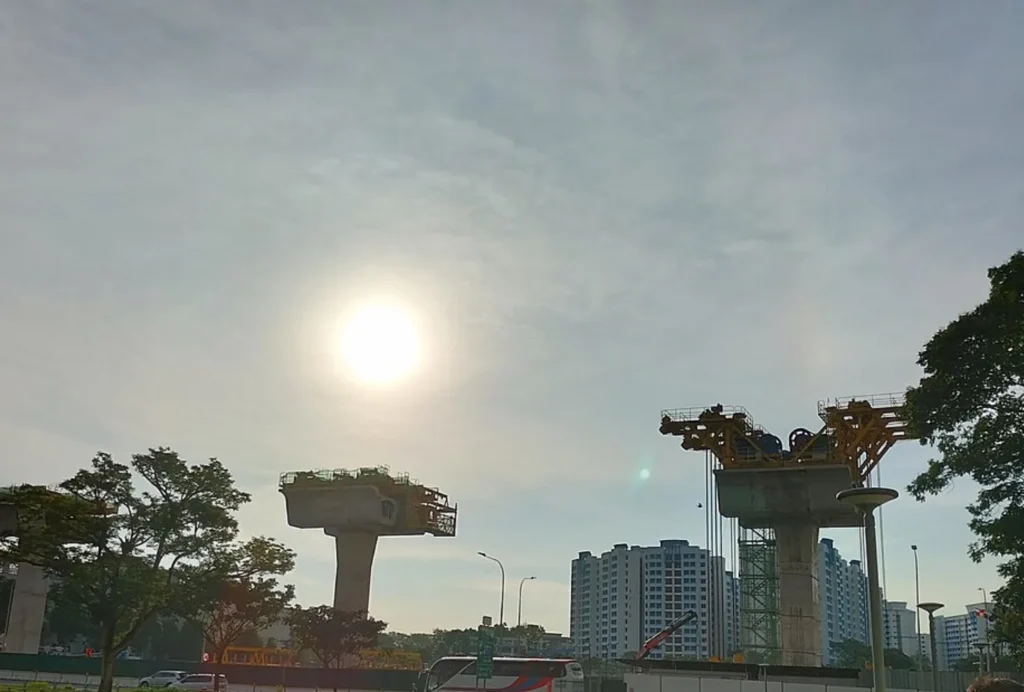
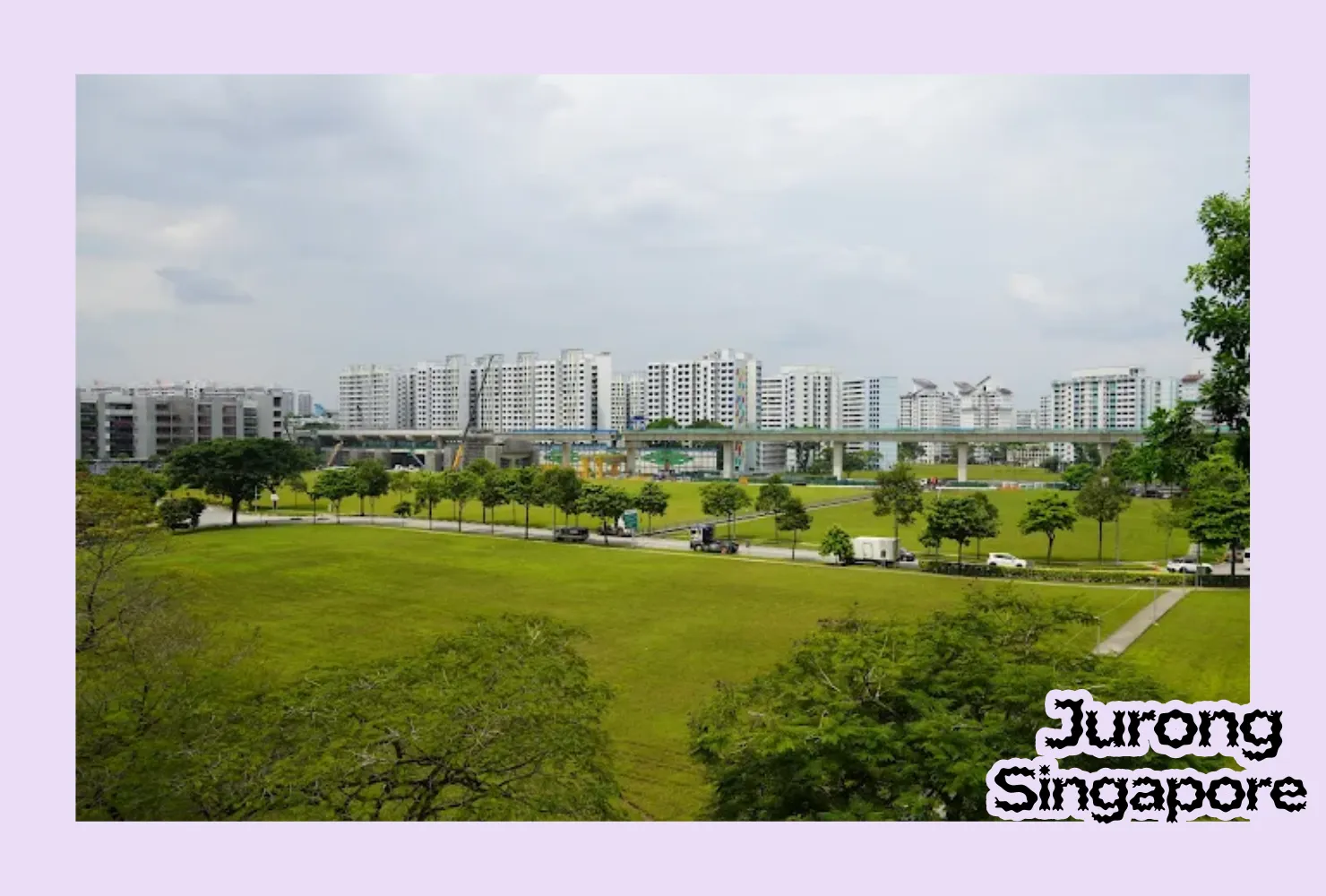
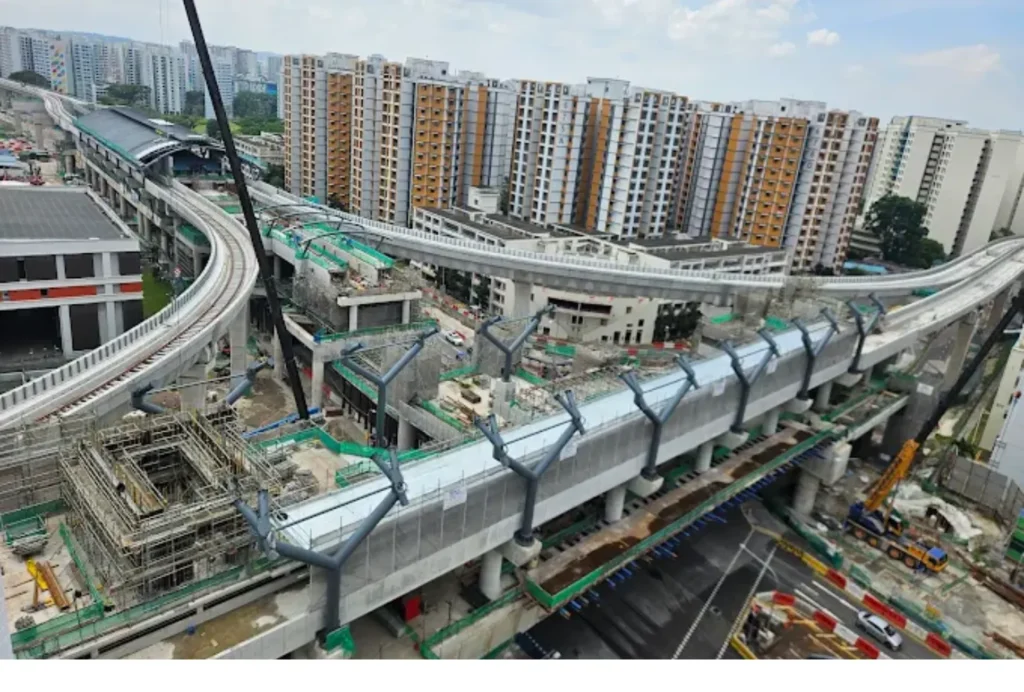
The station will be straddled over the existing Jurong West Avenue 2, just west of the junction with Jurong West Street 23, and east of the junction with Jurong West Avenue 4, Jalan Bahar and Jalan Boon Lay. It is located within the Jurong West planning area between the Boon Lay Place and Wenya Subzones, with a St. Joseph’s Home and Singapore Boy’s Home to the north, and a housing estate to the south. Construction progress of the tracks near Jurong West station Access to the station will be via 3 exits on each side of Jurong West Avenue
Station Map and Layout
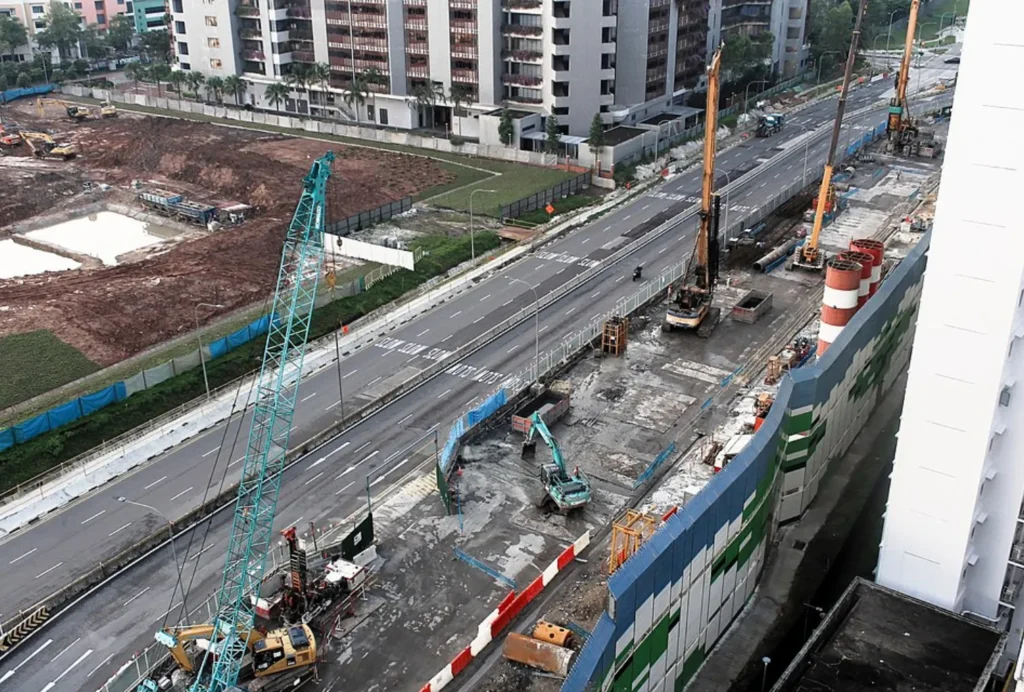
The Jurong West MRT Station is designed as an underground facility with multiple levels facilitating efficient vertical circulation and passenger flow. The main station concourse, located at street level, features the entry points, ticket gates, customer service areas, and directional signage. Two platform levels serve the East-West Line, with trains arriving at the platforms below the concourse level.
The station’s architectural design emphasizes clear sightlines, intuitive wayfinding, and passenger comfort. Multiple escalator banks connect the concourse to platform levels, with lift shafts distributed throughout the station to serve accessibility requirements. The escalators are arranged in unidirectional clusters some serving upbound traffic and others downbound to optimize passenger flow during different usage periods. Four to six lift clusters throughout the station ensure that mobility-impaired passengers never face excessive walking distances to accessible vertical transportation.
The platform configuration features two parallel platforms servicing trains in both directions on the East-West Line. Tactile paving, directional signage, and color-coded information systems help passengers identify their destination and board the correct train. Emergency exit routes are clearly marked, with additional staircase access points enabling rapid evacuation if needed. The overall layout provides separation between arriving and departing passenger flows, minimizing congestion and enhancing safety.
Nearby Residential Streets and Key Landmarks
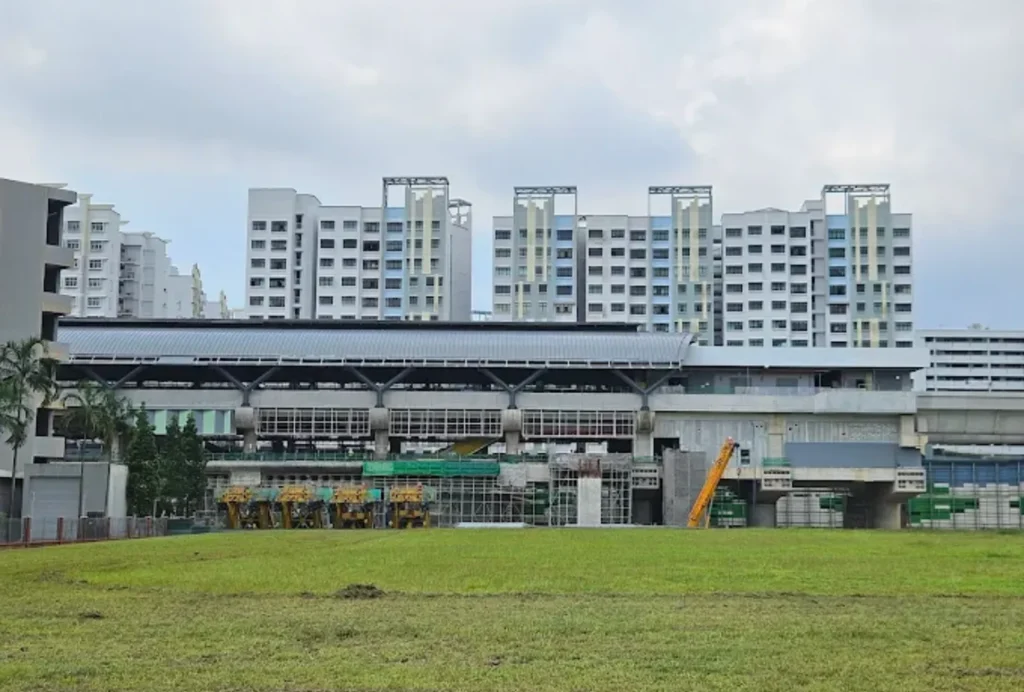
Jurong West Street 41 is located north of the station, with multiple residential blocks within 5-10 minutes’ walking distance. Block 481 Jurong West Street 41 represents one of the major residential clusters served by the station, with an estimated walking time of 8-12 minutes from the station entrance. The street features ground-floor hawker centers, small retail establishments, and community facilities serving the residential population.
Jurong West Street 42 runs south of the station, with several significant residential blocks including Block 556 and Block 558 Jurong West Street 42. These blocks are among the closest residential areas to the station, typically 7-15 minutes’ walking distance depending on the specific building entrance. The street has a vibrant community character with numerous food and beverage outlets, small convenience stores, and community centers.
Jurong West Avenue 2 is the primary avenue running through the station location, with the station entrance providing direct access to the avenue. The avenue features mixed residential and commercial development, with ground-floor retail and dining options serving commuters and residents alike. The street design includes wide pedestrian pathways and multiple crossing points, facilitating safe pedestrian access to the station.
Block 247 Jurong West is among the larger residential blocks in the area, located approximately 12-18 minutes’ walking distance from the station depending on the specific block entrance. The block accommodates several thousand residents and represents a significant portion of the station’s projected catchment population.
Block 666A Jurong West and other blocks in the Avenue 1 and Avenue 4 areas are accessible from the station with 15-25 minute walking times. While slightly more distant than the immediately adjacent blocks, these areas still represent significant portions of the station’s primary catchment zone.
Notable Nearby Areas and Blocks
The station serves numerous residential blocks beyond those mentioned, including various numbered blocks throughout the Jurong West area. Each block features community facilities such as hawker centers, community centers, recreational spaces, and small retail establishments. The combined population of all surrounding blocks represents one of Singapore’s densest residential areas, with tens of thousands of residents depending on public transport for daily mobility.
The JS6 block designation is the official MRT station code reflecting the station’s position within Singapore’s MRT network naming convention. This designation appears on all official MRT signage, mobile applications, and transport information systems, making it easily recognizable to regular transit users and travelers planning journeys through Singapore’s transport network.
Nearest MRT Stations from Key Blocks and Streets
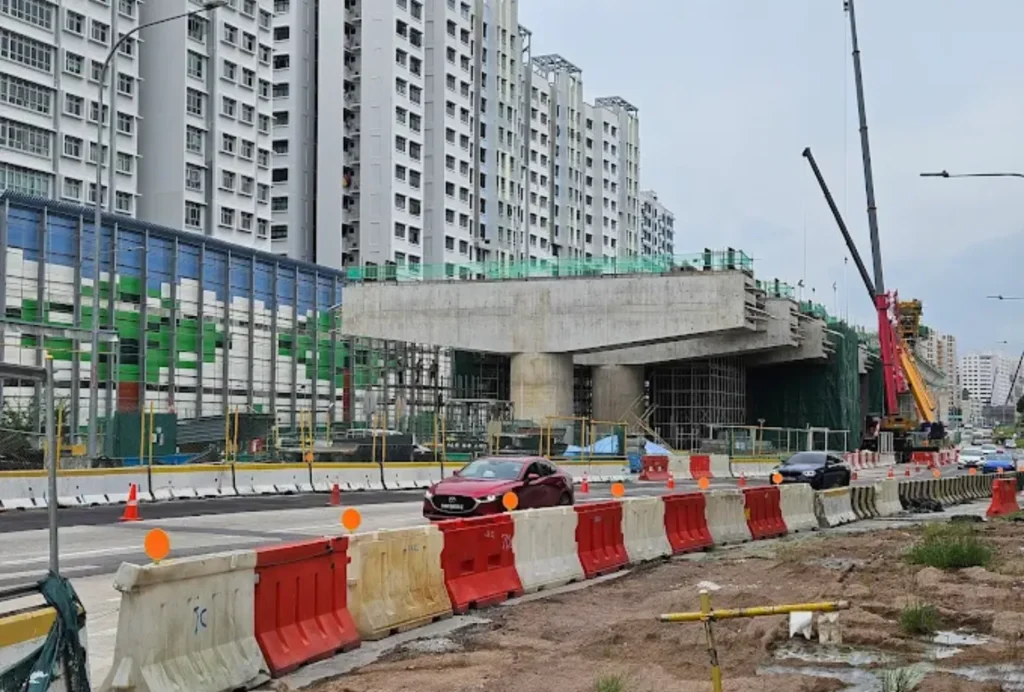
From Jurong West Street 41 Blocks
Residents on Jurong West Street 41, particularly those in Block 481 and surrounding blocks, will find Jurong West MRT (JS6) as the nearest station upon its completion. Walking times from different parts of the street range from 8-15 minutes, depending on the specific block location. The most direct walking route typically involves heading south toward Jurong West Avenue 2, then following clear directional signage to the station entrance.
During construction, residents currently use alternative options. Boon Lay MRT, located approximately 1.5-2 kilometers west, requires a 20-30 minute walk or a 5-10 minute bus journey. Lakeside MRT, positioned approximately 1.2-1.5 kilometers south, offers an alternative with a 15-25 minute walk or equivalent bus journey. Bus services from Jurong West Street 41 directly serve various destinations across Singapore, making buses the current primary transit option.
From Jurong West Street 42 Blocks
Block 556 and Block 558 on Jurong West Street 42 are among the closest residential areas to the future Jurong West MRT station, with walking times typically 7-12 minutes. These blocks represent a significant portion of the station’s projected daily ridership, as the convenient walking distance makes MRT access highly attractive for residents.
Currently, bus services remain the primary transit mode for Street 42 residents. Multiple bus routes serve the street, with buses providing connectivity to destinations across western Singapore, central business districts, and eastern areas. The anticipated opening of Jurong West MRT will provide residents with a more direct, faster alternative to bus-dependent journeys for many destinations.
From Jurong West Avenue 2 and Nearby Areas
Block 247 Jurong West, located on Avenue 2, will achieve convenient access to Jurong West MRT upon the station’s opening. The block’s varied distances from the station (depending on specific building locations) typically result in 12-18 minute walking times. Currently, residents utilize bus services or travel to nearby Boon Lay MRT.
Block 666A Jurong West and other blocks further afield on Avenues 1, 3, and 4 will be served by Jurong West MRT despite somewhat longer walking distances (15-25 minutes). For these residents, the time saved by avoiding bus transfers and congestion on the EW Line will make the slightly longer walk worthwhile for many journeys.
Directions from Other MRT Stations

From Boon Lay MRT
Boon Lay MRT, located approximately 1.5-2 kilometers west of Jurong West MRT, currently serves as the primary MRT alternative for Jurong West residents. The walking route from Boon Lay to Jurong West involves traveling along Jurong West Avenue 4 or connecting bus routes. The journey typically takes 20-30 minutes of walking or 5-10 minutes by bus, depending on route.
Upon Jurong West MRT’s opening, commuters will have a choice: continue using Boon Lay if it provides a more direct connection to their destination, or use Jurong West MRT for journeys requiring travel in specific directions on the EW Line. For Boon Lay residents, Jurong West MRT represents an alternative that may be closer or more convenient for certain destinations.
From Lakeside MRT
Lakeside MRT, positioned south of Jurong West, offers an alternative MRT connection for residents. The distance from Lakeside to Jurong West is approximately 1.2-1.5 kilometers, requiring 15-25 minutes of walking or equivalent bus time. Residents in Block 481 Jurong West Street 41 who currently use Lakeside will likely switch to the more convenient Jurong West MRT upon opening.
From Clementi MRT
Clementi MRT, located in the eastern portion of the Jurong district, is approximately 2.5-3 kilometers from Jurong West. Traveling between the two stations involves either a 30-40 minute walk or bus/MRT connections taking 15-25 minutes depending on route. Upon Jurong West MRT’s opening, residents of western Jurong needing to reach Clementi can travel via the EW Line, connecting at Jurong East or other interchange points.
Residents of Block 666A Jurong West seeking to reach Clementi will benefit from the option to walk to Jurong West MRT (approximately 20 minutes), travel one or two stops on the EW Line, and exit at Clementi or interchange for their specific destination. This represents a faster, more reliable alternative to current bus-dependent routes.
From Buona Vista MRT
Buona Vista MRT, located east of Jurong West, serves as a major interchange point on the EW Line. From Buona Vista to Jurong West, residents can travel on the EW Line itself (westbound), reaching Jurong West MRT in approximately 15-20 minutes including platform time. Upon opening, this direct EW Line connection will enable seamless travel between the two stations.
Residents of Block 556 Jurong West Street 42 wishing to reach Buona Vista can travel on the EW Line eastbound, making the journey in approximately 15-20 minutes. This represents significant time savings compared to current bus-based alternatives for many of these commuters.
From Admiralty MRT
Admiralty MRT, further east on the EW Line, offers another interchange point for Jurong West residents. The EW Line connection between Admiralty and Jurong West involves approximately 20-30 minutes of train travel including platform time. For residents needing to reach Admiralty or locations beyond, the EW Line provides direct connectivity.
Walking Routes and Accessibility
From the station entrances, clearly marked pedestrian pathways will guide residents to major residential blocks. The primary walking routes from the station utilize Jurong West Avenue 2 and connecting side streets. Traffic signals and pedestrian crossings are positioned to enable safe street crossing, with some routes potentially featuring covered pedestrian bridges or underpasses to enhance weather protection and safety.
For residents in Block 481 Jurong West Street 41, the typical walking route involves heading north from the station along Jurong West Avenue 2 or connecting pathways, then northwest to reach the block. Walking time estimates of 8-12 minutes assume normal walking pace on level terrain without excessive traffic delays at crossings.
Residents with mobility challenges will benefit from accessibility-focused routes. While the primary MRT entrance may involve some steps, accessible entrances featuring ramps or level access will be available. Residents using wheelchairs or walking aids should ask station staff for guidance to the most suitable entrance and exits for their specific destination.
Bus Connections and Transit Options
Multiple bus routes serve the Jurong West area, providing first-mile and last-mile connectivity to residential blocks not immediately adjacent to the station. Bus service frequency varies by route, with major routes operating every 5-15 minutes during peak hours and every 10-20 minutes during off-peak periods. Real-time bus tracking is available through mobile applications, enabling passengers to plan their transfers accurately.
The bus interchange integrated with Jurong West MRT will feature clearly organized bus bays, with route numbers displayed prominently. Passengers exiting the MRT can quickly identify their desired bus route and proceed to the appropriate bay. The design minimizes walking distance between the MRT exit and bus bays, facilitating efficient transfers between the two transit modes.
For residents accessing the station from more distant blocks, bus connections provide essential first-mile connectivity. A resident in Block 247 Jurong West, for instance, might take a bus from their block to Jurong West MRT, then transfer to the EW Line for onwards travel. This multi-modal journey combining bus and MRT offers greater flexibility and speed than bus-only alternatives.
Public Transport Tips for First-Time Commuters
First-time users should plan their journey using mobile applications such as MyTransport.SG or Google Maps, which integrate real-time MRT and bus information. These apps provide door-to-door journey planning, showing optimal routes, estimated travel times, and fare costs. For journeys involving bus-to-MRT transfers, the apps indicate the best transfer points and walking times.
Upon reaching Jurong West MRT for the first time, new users should proceed to the ticket gates or customer service counter. The fare system is straightforward, with ticket vending machines providing clear instructions in multiple languages. Staff members are available to assist passengers unfamiliar with the system, answering questions about fares, destinations, and journey planning.
Understanding the MRT map is simplified by the consistent color-coding system used throughout Singapore’s MRT network. The East-West Line is represented in green on all maps and signage. Directional arrows clearly indicate which exits serve specific areas, enabling visitors to identify the appropriate exit even for their first visit. Most passengers become comfortable with station navigation after one or two journeys.
During peak hours (7-9 AM and 5-7 PM on weekdays), passengers should expect moderate to heavy crowding. Allowing extra time and using less-congested escalator sections can enhance comfort. Standing on the left side of escalators and walking on the right follows Singapore’s standard escalator convention and contributes to efficient station flow.
Station Facilities & Services
Passenger Amenities Upon Completion
Jurong West MRT will feature multiple automated ticket vending machines accepting cash and card payments. The machines display clear instructions in English, Mandarin, Malay, and Tamil, serving Singapore’s diverse population. Passengers can purchase single-journey tickets at fixed prices based on destination, or acquire refundable travel cards for frequent users.
A customer service counter staffed during all operational hours provides assistance to passengers unfamiliar with the system, offering fare information, journey planning support, and assistance for special circumstances. Staff members are trained to work with elderly passengers, those with limited technology familiarity, and visitors requiring additional explanation.
Contactless payment options using credit cards, debit cards, and mobile payment systems are integrated into the ticketing system, enabling quick transactions for frequent users. Concession fares are available for seniors, students, and persons with disabilities, with appropriate documentation required to qualify.
Jurong West MRT will feature multiple escalators connecting the concourse level to platform levels, with parallel escalators serving upbound and downbound traffic during different periods of the day. The escalators are designed with safety features, including handholds on both sides and emergency stop buttons easily accessible in case of equipment malfunction.
Lift clusters distributed throughout the station provide essential accessibility for mobility-impaired passengers, those traveling with luggage, and others requiring step-free vertical movement. All lifts connect the concourse level to both platform levels, ensuring that users never face obstacles accessing trains regardless of their starting point within the station. The lifts are spacious, accommodating wheelchairs, walkers, and other mobility aids comfortably.
Staircase access provides alternatives during escalator maintenance or emergency situations. The stairs are designed to modern safety standards with handholds and appropriate tread dimensions, facilitating safe descent and ascent for all users.
Clean, well-maintained toilet facilities will be available at Jurong West MRT, with separate male and female facilities and dedicated accessible toilets for mobility-impaired users. The accessible toilets feature grab bars, emergency communication systems, and adequate space for users with mobility devices.
Water fountains throughout the station provide hydration for passengers, addressing the basic comfort needs of regular users and those with extended waiting periods. Drinking water is essential for passenger health and comfort, particularly during hot weather or rush hour congestion.
Seating areas within the station concourse provide rest spaces for elderly passengers, those with health conditions, and travelers requiring brief rest periods. The priority seating areas on trains themselves are designated for elderly, pregnant women, and passengers with disabilities. Healthy younger passengers are expected to give up priority seats when needed, following Singapore’s strong community etiquette practices.
Climate control systems maintain comfortable temperatures within the station, addressing Singapore’s tropical climate. Ventilation systems ensure adequate air circulation, essential for passenger health and comfort during peak periods when crowds are heaviest.
CCTV surveillance systems monitor all station areas round the clock, providing continuous security coverage. The recordings are retained according to regulatory requirements and reviewed if incidents require investigation. The comprehensive camera coverage deters criminal activity and provides evidence if incidents occur.
Security personnel will be present during peak hours and available throughout operational hours to respond to passenger concerns, manage crowds during emergencies, and assist with passenger incidents. Staff training in emergency procedures ensures rapid, appropriate response to various situations.
Emergency communication systems are prominently displayed, enabling passengers to contact station staff, transport police, or emergency services. Red alarm buttons on train cars connect directly to emergency responders, and public address systems enable station announcements during emergencies.
First aid facilities and trained personnel are present at the station, enabling rapid assistance for medical emergencies. Automated external defibrillators (AEDs) are positioned at the station for use by trained staff or passengers trained in emergency response procedures.
Nearby Retail, Food Outlets, and Convenience Services
Ground Level Services
The station entrance areas will feature convenience outlets, including small retail shops, beverage outlets, and services catering to commuters’ immediate needs. These ground-level establishments benefit from high foot traffic, positioning them as essential services for passengers during their commute.
Hawker centers within blocks adjacent to the station provide comprehensive dining options ranging from traditional local cuisines to modern food outlets. These hawker centers serve as important community gathering spaces and are primary food sources for the surrounding residential population. Walking distances of 5-10 minutes from the station make hawker center meals accessible during lunch or dinner commutes.
ATM machines and banking services are available within or near the station, enabling passengers to access cash or conduct banking transactions without traveling far from their commute. Card-based payment systems reduce the need for cash, though ATMs serve passengers preferring traditional currency.
Nearby Commercial Establishments
Small convenience stores and minimarkets near the station provide essential supplies for commuters, from beverages and snacks to toiletries and everyday items. These shops offer quick shopping options for passengers traveling between home and work or school.
Pharmacies and healthcare services within nearby residential blocks provide medical support for the community. These facilities are generally 5-15 minutes’ walking distance from the station, ensuring accessible healthcare for residents.
Laundry services, small repair shops, and similar services addressing residents’ practical needs are distributed throughout nearby blocks. The cluster of blocks surrounding the station creates a complete community ecosystem with comprehensive services.
Community Facilities
Community centers near the station host activities, classes, and gatherings serving the residential population. These centers are important for community bonding and offer programs benefiting residents of all ages. The centers are typically 5-10 minutes’ walking distance from the station.
Educational institutions, including childcare centers, kindergartens, and schools, are positioned throughout the surrounding blocks. Families accessing these facilities from other areas will benefit from Jurong West MRT’s connectivity for commuting.
Recreational facilities including parks, sports grounds, and swimming complexes are scattered throughout the Jurong area, within reasonable distances of Jurong West MRT. Families seeking recreational activities will appreciate the convenient access to these facilities via the MRT.
Future Developments
Jurong West MRT Extension Plans
Jurong West MRT is currently under construction, with ongoing work to complete station infrastructure, tunnel systems, and operational equipment. The construction project is managed according to a detailed timeline, with various project phases progressing according to schedule. Public announcements and updates provide regular information on construction progress, with major milestones celebrated as the project advances.
The station is designed to handle daily passenger volumes exceeding 150,000-200,000 journeys upon full operational maturity. The platform design, lift and escalator capacity, and ticketing systems are all scaled to accommodate these volumes without service degradation. Even during the busiest peak periods, the station architecture ensures that passengers can board and alight safely and efficiently.
During construction, residents experience temporary disruptions including construction noise, dust, and occasional traffic management measures. The project management team implements measures to minimize impact, including noise barriers, dust suppression systems, and community communication keeping residents informed of construction activities and expected disruptions.
The construction period is temporary, with end dates announced and tracked as the project progresses. Residents understand that the temporary inconvenience leads to permanent benefits upon project completion, supporting acceptance of construction-related challenges.
Local residents and businesses affected by construction receive support through community liaison programs, compensation mechanisms for significant disruptions, and priority access to project information. This support acknowledges that construction projects inevitably create impacts, and communities deserve recognition and assistance during these periods.
Expected Impact on Commute and Connectivity
With the opening of Jurong West MRT, residents will enjoy significantly shorter and more reliable commute times. Travel to the city centre and major business districts is expected to be 15–25 minutes faster, representing a 25–40% reduction compared to current bus-based journeys. This improvement enhances daily convenience, reduces commuting stress, and improves overall quality of life.
Students will benefit from faster access to schools and institutions across Singapore, while families gain easier access to shopping, leisure, and recreational destinations. Off-peak travel also becomes more predictable, as MRT services are unaffected by road congestion, allowing residents to plan their schedules with confidence.
Jurong West MRT’s integration with the East-West Line connects residents directly to major interchange stations such as Jurong East and City Hall, unlocking seamless access to the island-wide MRT network. This reduces reliance on buses for long-distance travel and supports fixed work schedules with more dependable journey times.
Regionally, the new station improves transport efficiency by easing bus crowding and reducing road traffic in western Jurong. Lower congestion supports environmental sustainability, improves road safety, and enhances the area’s attractiveness for residents, businesses, and community services alike.
Tips for Daily Travelers
Route Planning and Optimization
Using apps such as MyTransport.SG or Google Maps helps commuters plan the fastest and most cost-effective routes. These platforms provide real-time MRT and bus data, estimated travel times, and fare details. Regular commuters can save frequently used routes for quick access and use departure reminders to stay on schedule. Checking MRT exits in advance also shortens walking time at the final destination.
Peak and Off-Peak Travel Strategies
Traveling during off-peak hours mid-morning or late evening offers a more comfortable experience with shorter waits and available seating. Those with fixed schedules should note that peak-hour crowding is predictable and temporary, with reliable journey times maintained. Students and flexible workers can often improve comfort by shifting departure times by even 30 minutes to avoid the busiest periods.
Commute Budgeting and Cost Management
MRT fares are distance-based and clearly displayed, making it easier to budget travel expenses. Regular commuters may benefit from monthly passes that offer unlimited travel within selected zones, while occasional travelers may find pay-per-trip fares more economical. Employees should also check for employer transport subsidies or reimbursement schemes, which can significantly reduce commuting costs.
Best Times to Use the Station

Off-Peak Travel Advantages
Off-peak travel offers a more comfortable and relaxed commuting experience, with ample seating, minimal waiting times, and stress-free boarding. Reduced crowd levels make travel easier for elderly passengers, parents with young children, and those using mobility aids. Mid-day hours (10:00 AM–3:00 PM) are especially quiet, making them ideal for leisure trips and flexible schedules.
Peak Hour Management
Weekday peak hours (7:00–9:00 AM and 5:00–7:00 PM) are busier but remain reliable and well-managed. Trains arrive frequently, ensuring that all passengers can board despite crowding. Commuters can improve the experience by using less congested platform areas, allowing extra travel time, and adopting simple routines that make peak travel more manageable.
Seasonal and Occasional Travel Patterns
Public holidays and school holidays alter normal ridership patterns, often reducing weekday peaks while increasing daytime leisure travel. Major festivals such as Chinese New Year, Hari Raya, and Deepavali can create temporary surges in demand. Planning journeys around these periods or traveling slightly outside peak times helps maintain a smoother and more pleasant experience.
Accessibility Tips for Elderly and Disabled Commuters
All station exits are fully lift-served, providing step-free access for wheelchair users, passengers with mobility aids, parents with strollers, and those who require barrier-free movement, with spacious lifts designed for comfortable use. Priority seating on trains and designated resting areas within stations support elderly passengers, pregnant women, and individuals with disabilities, supported by strong community etiquette and clear signage. Trained station staff are readily available to provide respectful assistance, while guide dogs and service animals are permitted throughout the network at no additional cost. The station and trains are designed to accommodate wheelchairs and mobility devices seamlessly, supported by comprehensive safety measures such as CCTV monitoring, security personnel, and emergency communication systems to ensure a safe and inclusive commuting environment for all users.
FAQs
Q1: What MRT line serves Jurong West MRT?
Jurong West MRT (JS6) is served by the East-West Line (EW Line), providing direct connectivity from Pasir Ris to Tuas Link and easy access to central Singapore.
Q2: Where is Jurong West MRT located?
The station is located along Jurong West Avenue 2, within walking distance of nearby residential areas such as Jurong West Street 41 and Street 42.
Q3: When will Jurong West MRT open?
Jurong West MRT is currently under construction. The official opening date will be announced through MRT and government channels closer to completion.
Q4: What facilities will Jurong West MRT have?
The station will feature lifts, escalators, accessible toilets, ticket machines, contactless payment systems, CCTV security, and staff assistance for all commuters.
Q5: How will Jurong West MRT improve daily commuting?
The station is expected to reduce commute times by 15–25 minutes for many residents, provide reliable travel unaffected by traffic, and reduce reliance on buses.
Conclusion
Jurong West MRT Station is set to be a major upgrade to public transport in western Jurong, delivering faster, more reliable connectivity for thousands of nearby residents. Located at Jurong West Avenue 2 on the East-West Line, the station will significantly reduce commute times, improve travel comfort, and lessen dependence on buses.
Beyond daily convenience, Jurong West MRT strengthens the district’s long-term appeal by supporting residential growth, business activity, and integrated urban development. As construction nears completion, the station stands as a clear commitment to equitable, well-connected living positioning Jurong West as a more accessible, vibrant, and future-ready community.