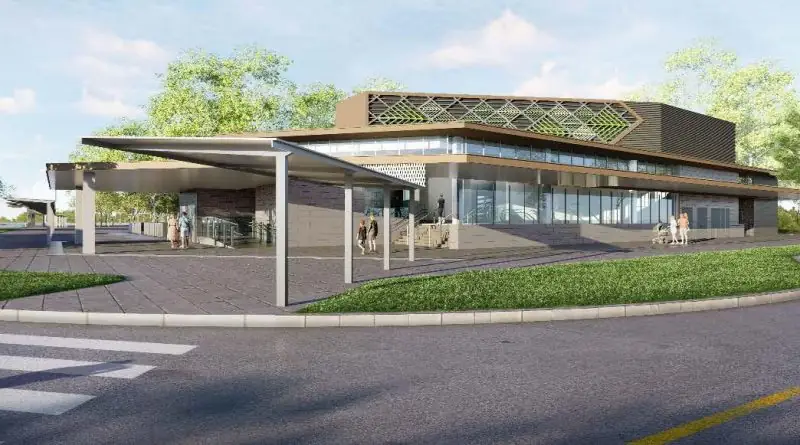
Jurong Lake District MRT refers to the MRT connectivity serving Singapore’s emerging second Central Business District around Jurong Lake. Anchored primarily by Jurong East MRT station and future lines under development, this area is being transformed into a major commercial, residential, and lifestyle hub in the west.
The MRT network here plays a crucial role in moving thousands of commuters daily between homes, workplaces, shopping centers, and recreational spaces around Jurong Lake Gardens. With multiple MRT lines intersecting and new stations planned, the district is designed to be highly accessible without reliance on private transport. The rail system supports the government’s vision of decentralizing business activity away from the traditional city center. As development accelerates, MRT connectivity becomes the backbone of the district’s growth, ensuring seamless travel across Singapore. Jurong Lake District MRT access is therefore not just about transportation, but about enabling urban transformation, sustainability, and economic expansion in the west.
The story of MRT connectivity in Jurong Lake District begins with Jurong East MRT station, opened in 1990 as part of the East–West Line. Initially serving a residential and industrial population, the station grew in importance as Jurong developed into a regional center. In 2009, the North–South Line extension further strengthened its connectivity, turning Jurong East into a major interchange. Over time, surrounding developments such as shopping malls, offices, and public spaces increased commuter demand. Recognizing the area’s potential, the government announced plans to develop Jurong Lake District as Singapore’s second CBD. This led to future MRT plans, including the Jurong Region Line (JRL), designed to improve intra-west connectivity and support upcoming commercial and residential projects.
Importance in Singapore’s MRT Network
Jurong Lake District’s MRT access, centered on Jurong East and upcoming JRL stations, is a strategic component of Singapore’s rail network. Jurong East is one of the busiest interchange stations outside the city center, linking the East–West Line and North–South Line. This allows commuters from the west, north, and central regions to converge efficiently.
With the Jurong Region Line under construction, connectivity within western neighborhoods such as Tengah, Choa Chu Kang, and Jurong Industrial Estate will improve significantly. The MRT network here reduces travel time for workers heading to offices in the district and supports shoppers and visitors accessing lifestyle attractions. By strengthening rail links, Singapore encourages businesses to set up operations in Jurong Lake District, easing congestion in the traditional CBD. The MRT system therefore acts as a catalyst for decentralization, economic activity, and sustainable commuting patterns across the western region.
Attractions at Jurong Lake District MRT
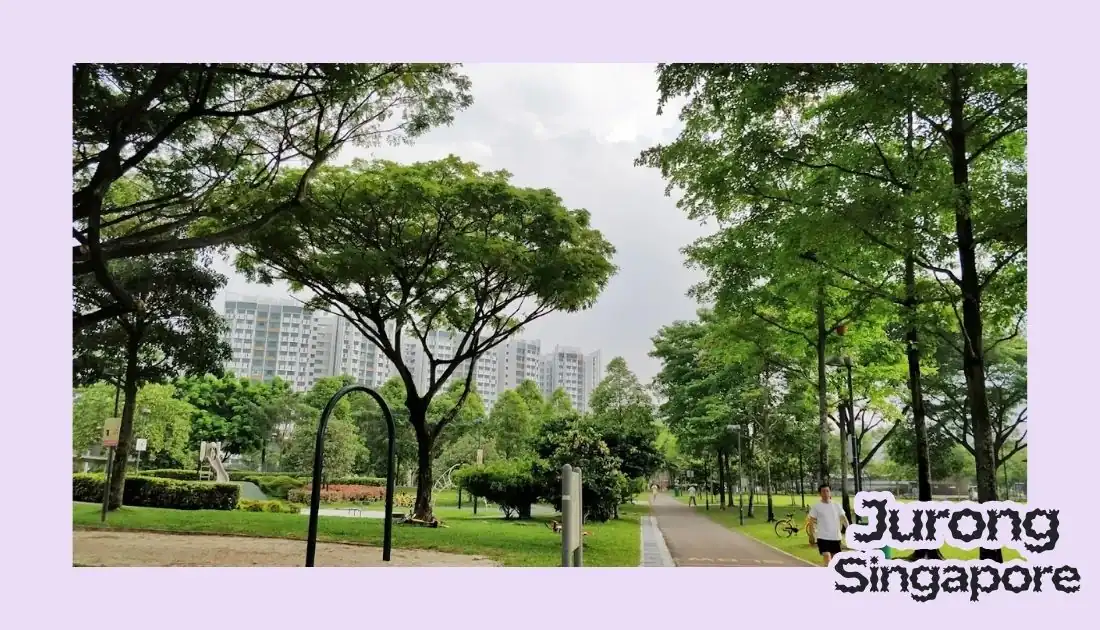
Nature & Outdoor Spaces Jurong Lake Gardens sits just minutes from the MRT, offering scenic walking trails, wetlands, playgrounds, and open lawns for relaxation and family time. The nearby Chinese Garden and Japanese Garden, currently under rejuvenation, add cultural charm and tranquil lakeside views.
Shopping, Dining & Entertainment A sheltered walk connects commuters to JEM, Westgate, and IMM—three major malls packed with retail stores, restaurants, cinemas, supermarkets, and outlet bargains for everyday needs and leisure.
Education & Learning Science Centre Singapore is located close by, featuring interactive exhibits and engaging educational experiences suitable for children, students, and families.
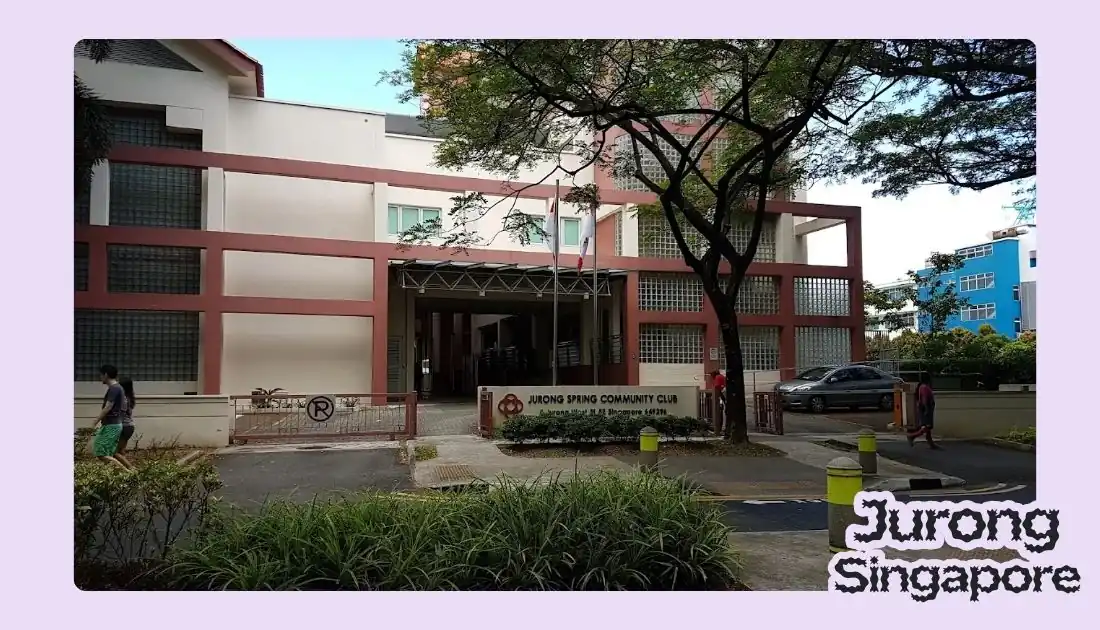
Healthcare & Community Facilities Ng Teng Fong General Hospital and surrounding community amenities provide convenient access to healthcare services for residents and visitors.
Business & Workplaces Emerging office towers and commercial spaces are transforming the district into a growing employment hub, making MRT access vital for work, leisure, and daily activities.
Station Layout & Facilities
Jurong East MRT station, serving Jurong Lake District, is designed as a multi-level interchange station handling heavy commuter traffic. Clear signage guides passengers between the North–South and East–West Lines efficiently. Wide platforms, escalators, elevators, and barrier-free access ensure smooth movement for all commuters, including those with mobility needs. Ticketing machines, fare gates, and passenger service centers are conveniently located within the concourse.
Retail kiosks, convenience stores, and rest areas are integrated into the station layout. Covered walkways connect the station to nearby malls and bus interchanges, protecting commuters from rain and heat. Security cameras and staff presence ensure safety during peak and off-peak hours. The station’s design emphasizes high capacity, accessibility, and seamless transfers, making it a key transport node for the entire western region.
Exits and Amenities
Multiple exits lead directly to JEM, Westgate, IMM shuttle points, and the bus interchange. Sheltered pedestrian links make walking comfortable in all weather conditions. Amenities include ATMs, convenience stores, food outlets, restrooms, and passenger help points. Taxi stands and bus services are located just outside the station for last-mile connectivity. These features make commuting convenient for workers, shoppers, patients, and residents.
Integration with Jurong Lake District Development
Jurong East MRT sits at the heart of Jurong Lake District’s master plan, guiding how the precinct grows around public transport. New developments are intentionally clustered near the station and upcoming Jurong Region Line stops to promote walkability and reduce reliance on cars. Offices, homes, parks, and retail spaces are designed within comfortable walking distance of MRT access, creating a seamless transit-oriented environment.
This approach supports sustainable urban living by lowering traffic congestion and encouraging greener commuting habits. Sheltered pathways, cycling routes, and pedestrian-friendly streets further connect key destinations to transport nodes. By aligning land use with rail connectivity, planners ensure that daily activities, work, leisure, healthcare, and shopping, remain conveniently accessible for residents, workers, and visitors across the evolving district.
Nearby Commercial and Residential Projects
Around Jurong East MRT, new office towers, mixed-use complexes, and residential developments continue to rise, reshaping the skyline. Malls such as JEM and Westgate blend retail, dining, and office spaces into integrated hubs that serve both workers and shoppers. Future residential estates in Tengah and Jurong will depend on Jurong Region Line connectivity to access Jurong Lake District quickly and efficiently.
Planned hotels, business parks, and lifestyle destinations will support the growing workforce and visitor numbers expected in the area. These projects are strategically located near transport links to maximize convenience and accessibility. As more developments cluster around the station, the district evolves into a vibrant live-work-play environment where daily needs are met within a short walk or train ride.
How the Station Supports the District’s Growth
Jurong East MRT handles high commuter volumes, allowing people to enter and exit the district efficiently throughout the day. This capacity is crucial for businesses considering relocation from the CBD to Jurong Lake District, as reliable transport access supports large workforces. Improved accessibility also raises property values and attracts investor interest in nearby developments. Workers benefit from shorter, predictable travel times, while visitors can reach attractions, offices, and malls with ease. The MRT network influences where companies establish offices and where residents choose to live, shaping long-term urban patterns. As connectivity improves, the station strengthens the district’s appeal as a practical, well-connected alternative commercial hub in Singapore’s west.
Future Connectivity Plans
The upcoming Jurong Region Line will introduce several new stations around the district, improving links to western neighborhoods, industrial zones, and residential towns. These additions will make commuting smoother for workers and residents traveling to Jurong Lake District. Future transport enhancements may include expanded bus services, improved cycling paths, and pedestrian-friendly connections between developments and MRT stations. Integrated transport planning ensures that new projects remain easily accessible without increasing road congestion. As these connections expand, Jurong Lake District becomes more attractive to businesses, homeowners, and visitors seeking convenience. Stronger transport links will reinforce the district’s role as a fully connected commercial and residential hub in Singapore’s growing western region.
Planning Your Commute
Planning a trip to Jurong Lake District is straightforward due to strong MRT integration. Peak hours can be busy, so commuters may plan slightly earlier or later travel. Clear signage at interchange points helps with smooth transfers. Bus interchanges and sheltered paths simplify last-mile travel to offices, parks, and malls.
How to Reach from Boon Lay, Jurong East, and Other Key Stations
Reaching Jurong Lake District is straightforward from several key MRT stations. From Boon Lay, commuters can take the East–West Line heading toward Pasir Ris and alight at Jurong East, which is just one stop away. From Jurong East itself, you are already within the district, making access to malls, offices, and gardens extremely convenient. Travelers from northern stations such as Woodlands or Yishun can take the North–South Line directly to Jurong East, providing a seamless cross-island journey. For those coming from central areas like City Hall or Raffles Place, the East–West Line toward Tuas Link delivers direct access to Jurong East MRT. These routes ensure that both residents and visitors can reach the district efficiently for work, shopping, and leisure activities.
Nearest MRT Connections
Jurong East MRT is the main transit hub for Jurong Lake District, connecting both the North–South Line and East–West Line. This dual-line access allows commuters from across Singapore to reach the district efficiently, whether traveling from the city center, northern suburbs, or other western towns. Nearby stations, including Clementi, Chinese Garden, and Lakeside, also serve the wider Jurong area, providing additional entry points for residents, workers, and visitors. The upcoming Jurong Region Line will introduce several new stations within the district, enhancing connectivity to western neighborhoods, industrial estates, and future residential developments. Integrated bus services, pedestrian walkways, and sheltered paths link these MRT stations to major malls, office towers, parks, and healthcare facilities, ensuring smooth first- and last-mile travel. Collectively, these transport networks create a comprehensive, accessible system, making public transit the most convenient way to navigate Jurong Lake District for work, leisure, and daily activities.
Frequently Asked Questions
What MRT line serves Jurong Lake District MRT?
Jurong East MRT serves the district via the North–South Line and East–West Line, with the Jurong Region Line coming soon.
How do I get to Jurong Lake District MRT from Jurong East?
Jurong East MRT is the main station within the district, directly serving surrounding developments.
What facilities are available at Jurong Lake District MRT?
Facilities include ticketing machines, elevators, shops, rest areas, sheltered walkways, and bus connections.
Are there nearby amenities or malls?
Yes. JEM, Westgate, and IMM are directly connected via sheltered walkways.
What is the station’s role in Jurong Lake District development?
It acts as the central transport hub supporting business, residential, and recreational growth.
Conclusion
Jurong Lake District MRT connectivity, centered on Jurong East and supported by upcoming Jurong Region Line stations, is fundamental to the district’s transformation into Singapore’s second CBD. The MRT network ensures that thousands of commuters can access workplaces, homes, shopping centers, and green spaces efficiently every day. With integrated station design, sheltered links, and strong bus connections, travel within the district is convenient and weather-resistant. As new commercial towers, residences, and attractions continue to rise, MRT access shapes how people move and where businesses invest. Future rail expansions will further strengthen the district’s accessibility across western Singapore.
Jurong Lake District demonstrates how transportation infrastructure drives urban planning, sustainability, and economic decentralization. Reliable MRT connectivity not only reduces travel time but also enhances the livability and attractiveness of the area, securing its role as a major hub for work, leisure, and community life in the years ahead.