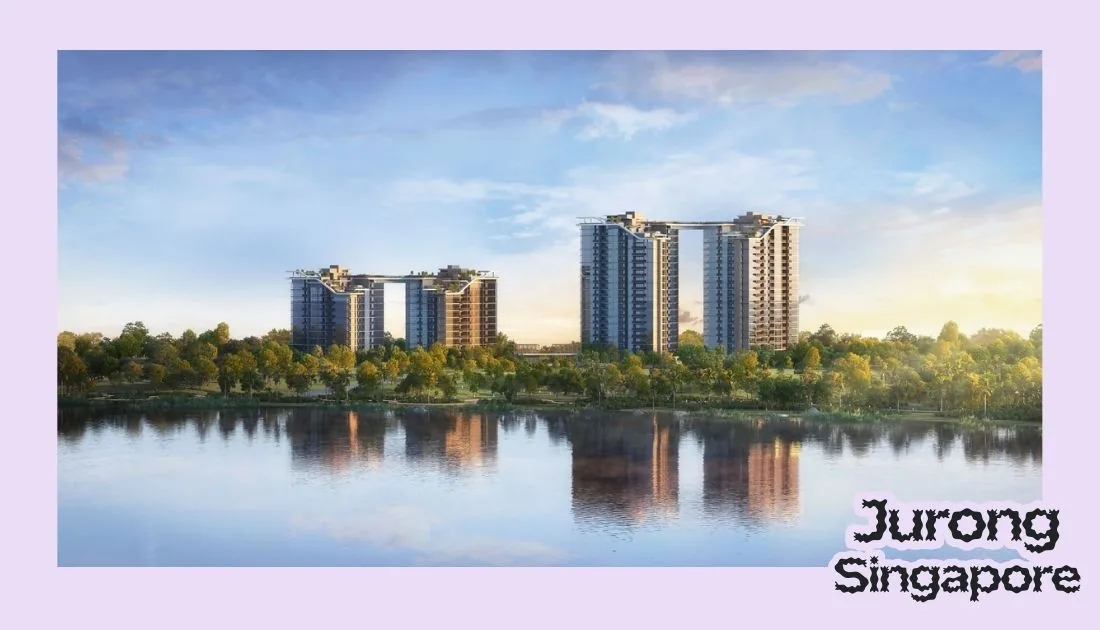
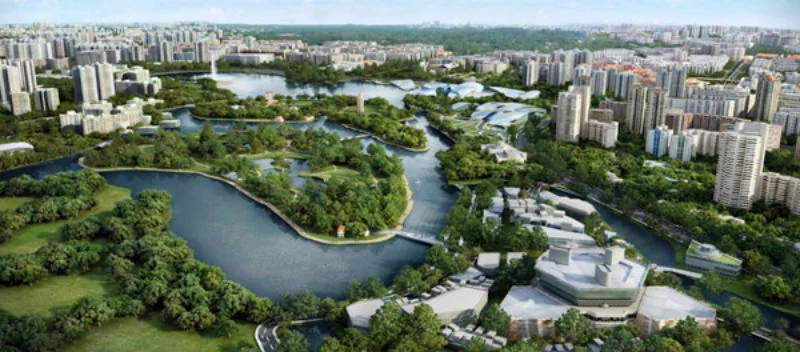
Jurong Lake District is Singapore’s largest commercial and leisure hub outside the Central Business District (CBD). Strategically located in the western region, it serves as a key focal point for economic, social, and recreational activities. The district seamlessly blends modern urban infrastructure with natural green spaces, making it attractive for businesses, residents, and tourists alike. It comprises office developments, residential complexes, retail malls, parks, and entertainment facilities centered around the scenic Jurong Lake. With a focus on integrated development, Jurong Lake District is designed to encourage live-work-play dynamics, fostering a vibrant community while serving as a major regional draw.
The area is envisioned as Singapore’s second CBD, offering employment opportunities, leisure amenities, and cultural experiences in a single waterfront setting. Jurong Lake District emphasizes sustainable urban living, incorporating eco-friendly design, smart technologies, and public spaces to enhance quality of life. From waterfront promenades and bicycle paths to lifestyle malls and entertainment venues, the district offers diverse experiences for families, students, tourists, and professionals. Its transformation into a dynamic urban hub reflects Singapore’s commitment to decentralizing commercial and leisure activity while maintaining efficient transport links and high livability standards.
History and Transformation from Industrial to Urban Hub
Jurong Lake District was originally an industrial area in western Singapore, with warehouses, factories, and limited public recreational spaces dominating the landscape. Its industrial roots date back to Singapore’s early economic development when the west was primarily allocated for manufacturing, logistics, and heavy industry. The presence of Jurong Industrial Estate and surrounding facilities made the area a critical contributor to the nation’s growth, but public accessibility and urban amenities were limited.
Over the decades, the Singapore government envisioned the western region as more than just an industrial zone. Urban redevelopment plans transformed the lakeside area into a multi-functional district integrating commercial, residential, and recreational uses. Jurong Lake itself was rejuvenated with landscaped promenades, boating facilities, and green spaces to attract visitors and residents alike. Malls, hotels, and office towers now punctuate the district, offering modern infrastructure while maintaining scenic views of the lake and parks. This transformation has turned Jurong Lake District from a purely industrial precinct into a thriving urban waterfront hub, supporting both business activity and leisure engagement while positioning western Singapore as a secondary CBD with global relevance.
Attractions and Amenities
Jurong Lake District offers a wide mix of lifestyle amenities, including public parks, waterfront trails, shopping centers, cultural spaces, and dining outlets. Its attractions appeal to families, outdoor enthusiasts, and visitors seeking leisure experiences beyond the city center. The lakefront setting enhances recreational value and distinguishes the district from other urban hubs in Singapore.
Parks, lakeside paths and sports facilities
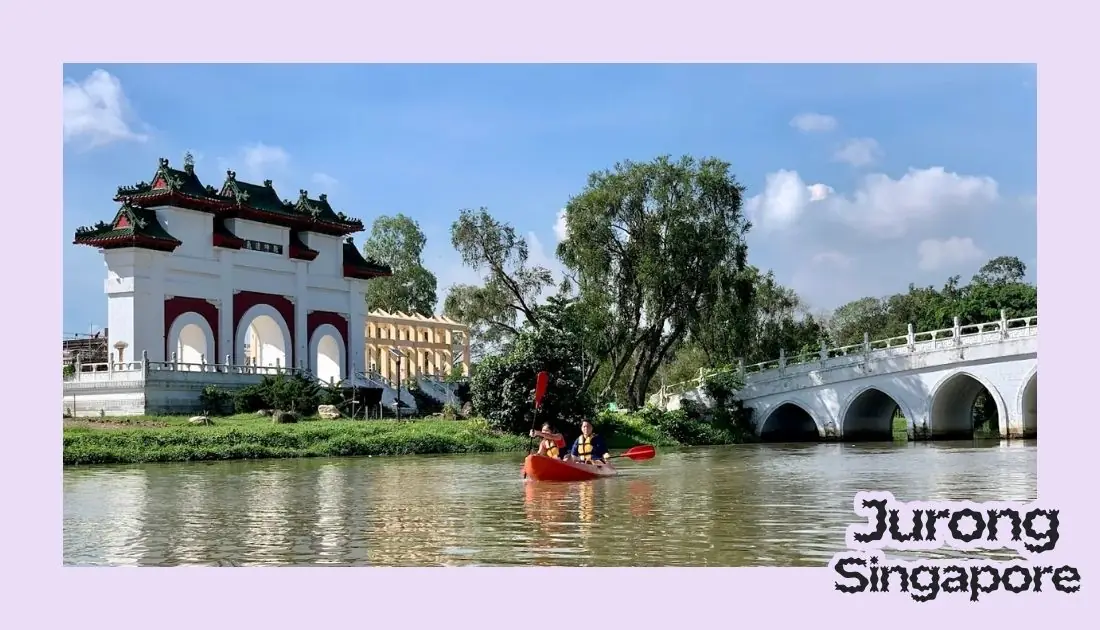
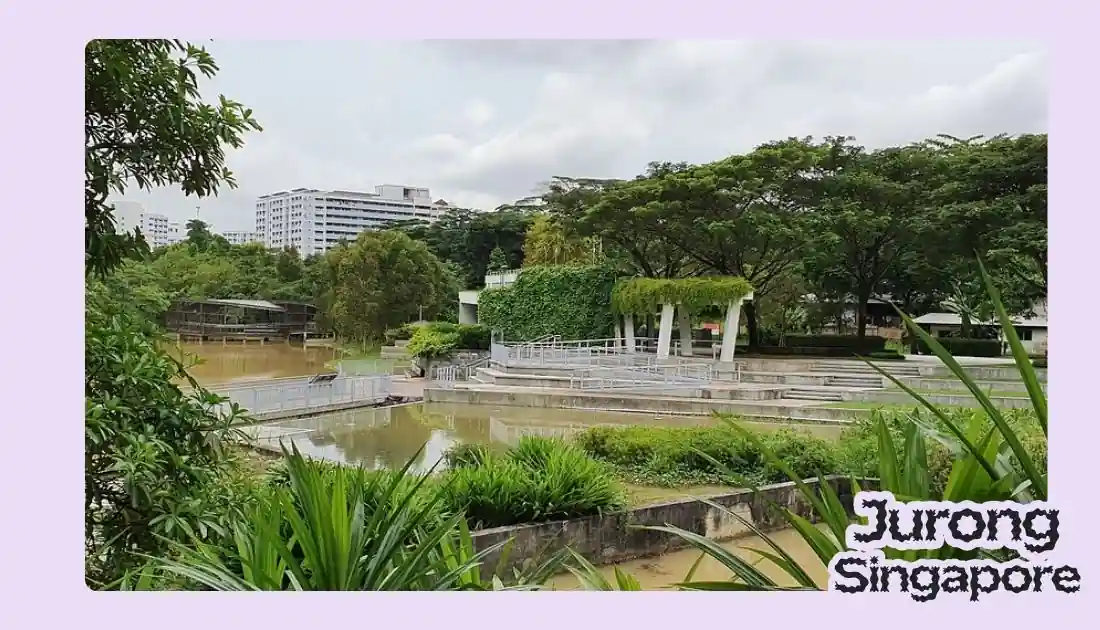
Jurong Lake Gardens stands as the flagship recreational attraction, integrating nature zones, wetlands, event lawns, playgrounds, and waterfront facilities. Lakeside paths provide scenic routes for jogging, cycling, and walking, while boardwalks allow visitors to explore natural habitats up-close. Sports amenities enable kayaking, outdoor fitness, and active recreation for youths and families.
The integration of greenery enhances well-being and creates a restorative urban environment. The waterfront landscape design emphasizes ecology, resilience, and accessibility, allowing visitors to experience nature while remaining close to commercial and residential nodes. The recreational offerings contribute to the district’s identity as a healthy and livable urban space.
Dining and Entertainment Venues
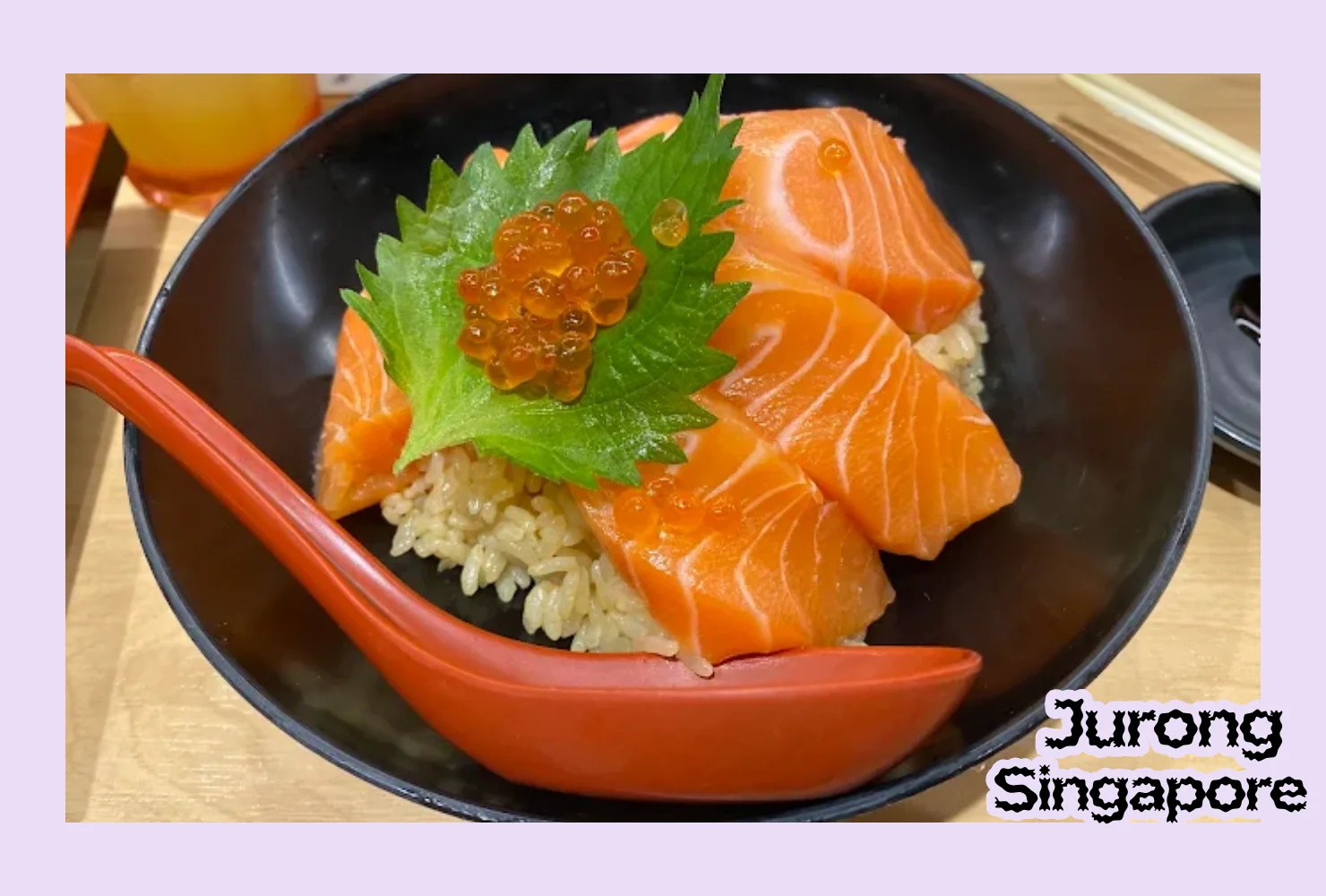
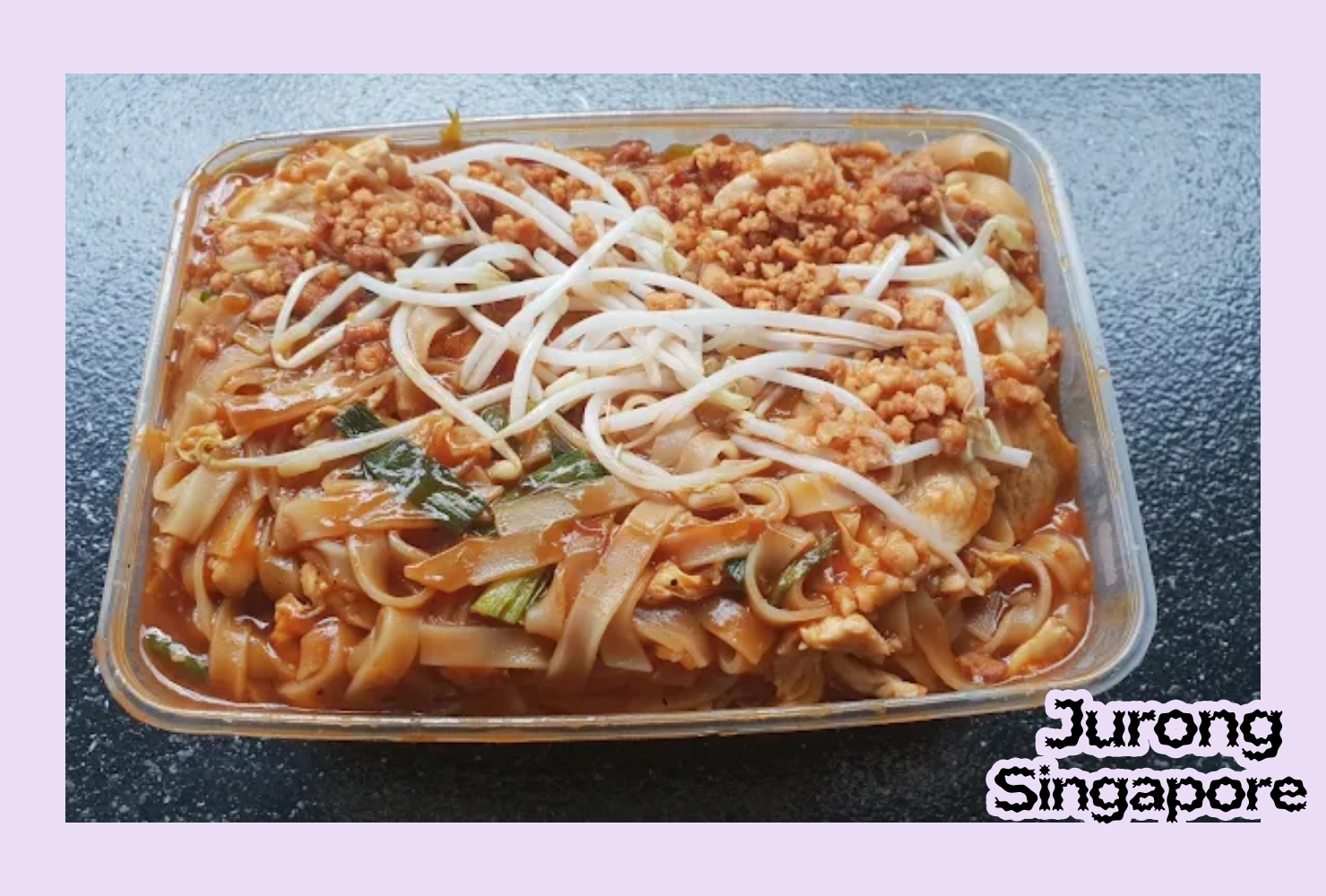
Dining and entertainment options in the Jurong region have expanded significantly, anchored by retail destinations such as JEM, Westgate, IMM, and Jurong Point. These malls offer a variety of food courts, restaurants, cinemas, and family entertainment venues. Planned lakefront dining clusters and hotel-based restaurants are expected to serve business travelers, tourists, and residents.
The combination of retail and hospitality amenities supports evening activities and enhances the district’s attractiveness for workers and visitors. Entertainment venues and event programming stimulate nightlife and tourism, extending economic activity beyond office hours. The growing dining scene reflects shifting urban demographics and rising demand for lifestyle experiences.
Event spaces, seasonal festivals, and family-friendly activities
Jurong Lake District hosts outdoor events, cultural festivals, sports gatherings, and educational programs that attract families and communities from across Singapore. Large event lawns and waterfront spaces accommodate seasonal celebrations, performances, and public exhibitions. Family-friendly programming encourages intergenerational participation and enhances community vibrancy. These activities reinforce JLD as a cultural and leisure destination, not merely a business district.
Family-friendly activities often include paddle sports, cycling tours, playground games, and guided nature walks. Community engagement programs invite local participation, enhancing social cohesion and recreational appeal. These activities highlight the district’s dual role as a commercial and leisure hub, attracting both residents and tourists while promoting wellness, cultural appreciation, and active lifestyles.
Role in Singapore’s economic growth
Jurong Lake District plays a central role in national economic strategy by providing new space for commercial and service-sector growth. With limited room for expansion in the traditional CBD and Marina Bay, the district decentralizes employment opportunities and brings jobs closer to suburban residential estates. The government targets up to 100,000 new jobs across business services, technology, education, healthcare, and tourism, reinforcing the district’s function as a western economic engine.
The district also supports tourism diversification. Plans for waterfront hotels, event spaces, leisure facilities, and visitor attractions position JLD as a complementary destination to central Singapore. The lakefront setting and integration with national parks enhance recreational appeal for both locals and tourists. On a macro level, JLD contributes to Singapore’s global competitiveness by strengthening its urban innovation model, promoting sustainability, and enabling new industries to cluster near research institutions and universities in the Jurong region. Its strategic value lies in its ability to generate economic spillovers, attract international businesses, and support long-term national growth.
URA Jurong Lake District, Development & Smart Nation
The Jurong Lake District Master Plan, released by the Urban Redevelopment Authority (URA), lays the blueprint for transforming the western waterfront into Singapore’s second CBD. The plan emphasizes a mixed-use development approach, combining commercial offices, residential apartments, lifestyle malls, hotels, and cultural amenities. Central to the design is Jurong Lake, which acts as a recreational and ecological anchor, with promenades, cycle paths, and water-based activities connecting different zones.
Smart infrastructure is a cornerstone of development. Initiatives include real-time traffic management, smart lighting, and integrated public transport information systems, aligning with Singapore’s Smart Nation objectives. Development plans also incorporate sustainability strategies, including rainwater management, green rooftops, and energy-efficient building designs.
The district’s transformation is phased, with ongoing construction of office towers, residential blocks, and lifestyle malls such as JEM, Westgate, and JCube. Recreational nodes like Jurong Lake Gardens and PASSION Wave provide leisure opportunities, while office and commercial spaces attract businesses and multinational corporations. By integrating urban living, commercial activity, and recreation, the Jurong Lake District Master Plan establishes a blueprint for a vibrant, future-ready urban waterfront.
Transport and Connectivity
Jurong Lake District is highly accessible via MRT, bus, and road networks. Efficient public transport ensures seamless travel for residents, workers, and visitors. Bicycle and pedestrian paths further enhance local mobility. Parking and traffic management initiatives support car users. Connectivity is integrated with the wider western region and central Singapore.
MRT Lines Serving the District
The district is well-served by MRT infrastructure, including the East-West Line, Jurong Lake District MRT stations, and the upcoming Jurong Region Line (JRL). These lines connect the district to key residential areas, commercial hubs, and other regional centers, providing convenient access for commuters and tourists alike.
Planned JRL stations will further enhance local connectivity, linking Jurong Lake District with Boon Lay, Tengah, Choa Chu Kang, and other western neighborhoods. This integration supports the district’s goal as a secondary CBD, ensuring businesses and residential developments are accessible to a broad catchment area. The MRT network is complemented by feeder bus services, offering last-mile connectivity for nearby housing estates.
Accessibility to the MRT ensures reduced reliance on private vehicles, lowers congestion, and enhances sustainable commuting. For tourists, the MRT provides a hassle-free option to reach malls, recreational spaces, and hotels within the district. Combined with walking and cycling paths, the MRT network reinforces Jurong Lake District as a well-connected, transit-oriented urban hub, aligning with Singapore’s long-term urban mobility strategy.
Road Access, Parking, and Traffic Considerations
Jurong Lake District is easily accessible via major arterial roads such as Jurong Town Hall Road, Boon Lay Way, and Jurong Gateway Road. These roads connect the district to surrounding neighborhoods, industrial areas, and expressways such as the Pan-Island Expressway (PIE). Well-planned traffic management and signal systems help regulate vehicle flow, especially during peak commuting hours.
For private vehicle users, ample parking is available within commercial complexes like JEM, Westgate, and Jem as well as at dedicated park-and-ride zones. Parking fees are typically standard for urban centers, with hourly rates and long-term options for residents or office workers. The district encourages sustainable transport modes such as cycling, walking, and ride-sharing to reduce traffic congestion.
Event management plans are implemented during large-scale festivals, concerts, or sports events, ensuring smooth ingress and egress. Shuttle services or temporary road diversions are occasionally deployed to facilitate safe access. Overall, the combination of strategic road access, smart traffic systems, and sufficient parking contributes to the district’s accessibility for both daily commuters and leisure visitors.
Updates, News, and Development Timeline
Jurong Lake District has undergone continuous development since the 2000s. Key milestones include the transformation of Jurong Lake from an industrial reservoir to a landscaped park, the launch of Jurong Lake Gardens, and the establishment of commercial nodes such as JEM and Westgate.
Future projects include office and residential developments, expanded public transport integration via the Jurong Region Line, and Smart Nation initiatives for intelligent urban management. Regular updates are available through URA publications, OnePA announcements, and government press releases. Development timelines include phased construction to ensure minimal disruption and alignment with environmental and community standards.
Ongoing updates also highlight public engagement in planning, sustainability initiatives, and recreational programming. Community feedback is integrated into planning to ensure inclusive urban growth, making Jurong Lake District a model for sustainable, multi-functional urban waterfront development in Singapore.
Jurong Lake District Master Plan
The Jurong Lake District Master Plan is led by the Urban Redevelopment Authority and outlines a long-term vision to transform Jurong into a vibrant second CBD. The plan integrates mixed-use commercial districts, tourism clusters, green spaces, residential precincts, and smart infrastructure. Sustainability, connectivity, and livability are key priorities, with development phased over decades to accommodate economic cycles and demographic needs.
URA master plan and objectives
The URA master plan for JLD sets out several core objectives: decentralize employment, create a sustainable urban district, increase economic resilience, and improve quality of life. The western region already houses educational institutions, industrial estates, and strong transport infrastructure, making it ideal for intensification. The plan aligns with Singapore’s strategic aim of reducing long-distance commuting and concentrating jobs closer to homes.
Mixed-use zoning plays a central role, combining offices, retail, and residential developments to encourage all-day vibrancy. The lakeside setting supports public recreational spaces, parks, tourism facilities, and community venues. The master plan also integrates transit priorities through MRT lines, cycling networks, and pedestrian pathways to support car-lite mobility. From a sustainability perspective, the district features energy-efficient buildings, centralized utilities, and waste reduction frameworks. JLD is also positioned to become a testbed for smart systems such as district cooling, digital infrastructure networks, and automated mobility solutions. The master plan reflects long-term adaptability, allowing land parcels to evolve in response to future industries, demographic trends, and urban technologies.
Timeline of major development phases
Development of Jurong Lake District is progressing in multiple phases spanning several decades. The initial groundwork phase began in the late 2000s with park creation, transit investments, and planning studies. Between 2010 and 2020, key public infrastructure such as the Jurong Lake Gardens, new MRT lines, and pedestrian networks were introduced to enhance accessibility and define the waterfront character.
The next major phase focuses on commercial intensification and the development of new office clusters around Jurong Gateway and the high-speed rail site. Although the Singapore–Kuala Lumpur High-Speed Rail project was suspended, the land parcel remains reserved for future international or regional transit use. Tourism and hospitality projects are expected to roll out progressively as demand and population grow.
Beyond 2030, additional housing, green corridors, and smart city systems will be implemented to achieve full district integration. This long timeline allows economic and demographic shifts to shape development priorities without placing sudden strain on infrastructure or market absorption rates. Jurong Lake District will continue to evolve throughout the 2040s and beyond, maturing into a high-density business and lifestyle hub.
Focus on sustainability, smart city initiatives, and car-lite strategies
Sustainability sits at the core of the JLD master plan. Buildings are designed to meet stringent environmental standards, and the district leverages centralized utilities to reduce carbon emissions. A district cooling network ensures efficient air-conditioning across commercial zones, cutting energy usage while improving thermal comfort. Water-sensitive design strategies and greenery enhance the lake environment, improving biodiversity and stormwater resilience.
The district is also part of Singapore’s Smart Nation initiative, incorporating digital and automated systems into infrastructure. This includes data-driven energy monitoring, waste collection technology, and sensor-based environmental management. Smart mobility is a key feature, with provisions for autonomous transit trials, real-time traffic management, and seamless intermodal connections.
To support car-lite living, the district emphasizes MRT interchange connectivity, cycling paths, and walkable public spaces. Reduced parking provision encourages public transport usage, while wayfinding systems make pedestrian navigation intuitive. These sustainable and smart strategies collectively lower congestion, improve air quality, reduce emissions, and enhance overall urban livability.
how to get to Jurong Lake District
1: By MRT
Jurong Lake District is well-connected via the Mass Rapid Transit (MRT) system:
Jurong East MRT Station
This is the main MRT station serving the district.
Lines: East-West Line (Green Line) and North-South Line (Red Line).
From Jurong East MRT, the lake and nearby attractions are within walking distance or a short bus ride.
Upcoming Jurong Region Line (JRL)
The new line will improve connectivity within Jurong and to nearby towns once fully operational.
2: By Bus
Several bus services stop around Jurong Lake District:
Buses from Jurong East Bus Interchange: 66, 79, 197, 333
From surrounding areas: Feeder buses and inter-town buses connect from Boon Lay, Bukit Batok, and Clementi.
3: By Car / Taxi / Grab
Driving: Take the AYE (Ayer Rajah Expressway) or PIE (Pan Island Expressway) and follow signs to Jurong East. Parking is available at nearby malls like JCube, Westgate, and Jem.
Taxi / Ride-hailing: Simply key in “Jurong Lake District” in Grab or Gojek apps. Travel times vary depending on traffic: ~20–25 minutes from Orchard Road, ~30–35 minutes from Changi Airport.
Frequently Asked Questions
Is Jurong Lake District accessible by MRT?
Yes, served by Lakeside MRT, Jurong East MRT, and the upcoming Jurong Region Line.
Are there recreational facilities in the district?
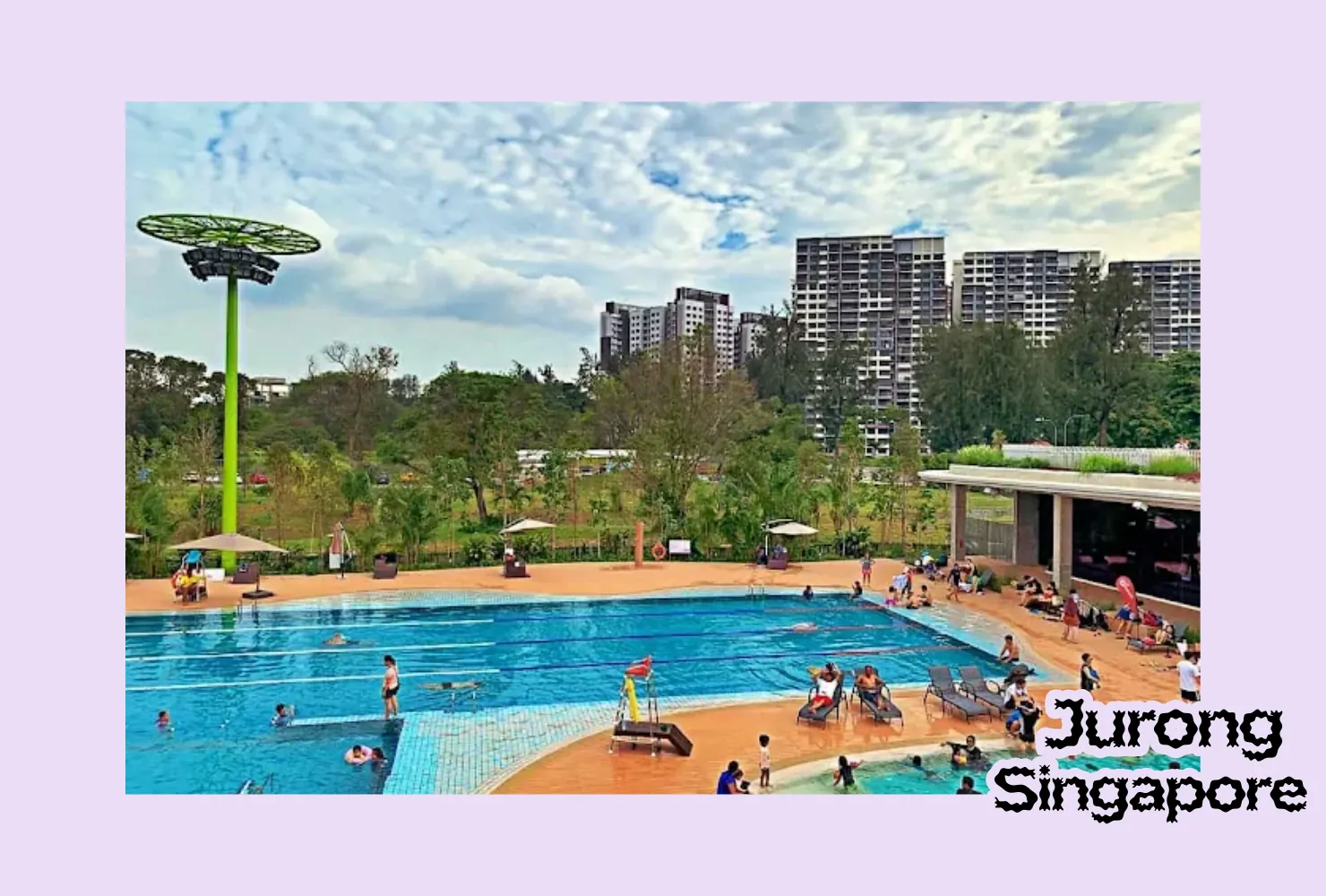
Yes, including parks, jogging trails, outdoor gyms, and PASSION Wave water sports hub.
Where can I find dining options?
JEM, Westgate, and surrounding areas offer restaurants, cafes, and food courts.
Are events held regularly in the district?
Yes, seasonal festivals, outdoor activities, and family programs occur throughout the year.
Is parking available?
Yes, malls and designated parking zones provide ample spaces for visitors.
Conclusion
Jurong Lake District represents Singapore’s successful integration of urban planning, recreation, and economic development in the western region. Once an industrial precinct, it has transformed into a vibrant waterfront hub that balances commercial, residential, and leisure functions. Anchored by Jurong Lake Gardens and surrounded by lifestyle malls, dining establishments, and event spaces, the district offers a high quality of life for residents while attracting businesses and tourists.
Connectivity through MRT lines, bus services, and road networks ensures ease of access, complemented by parking and pedestrian-friendly infrastructure. Recreational amenities, water sports, family activities, and seasonal festivals reinforce the district’s appeal as a live-work-play destination, while urban planning emphasizes sustainability, smart technology, and community engagement.