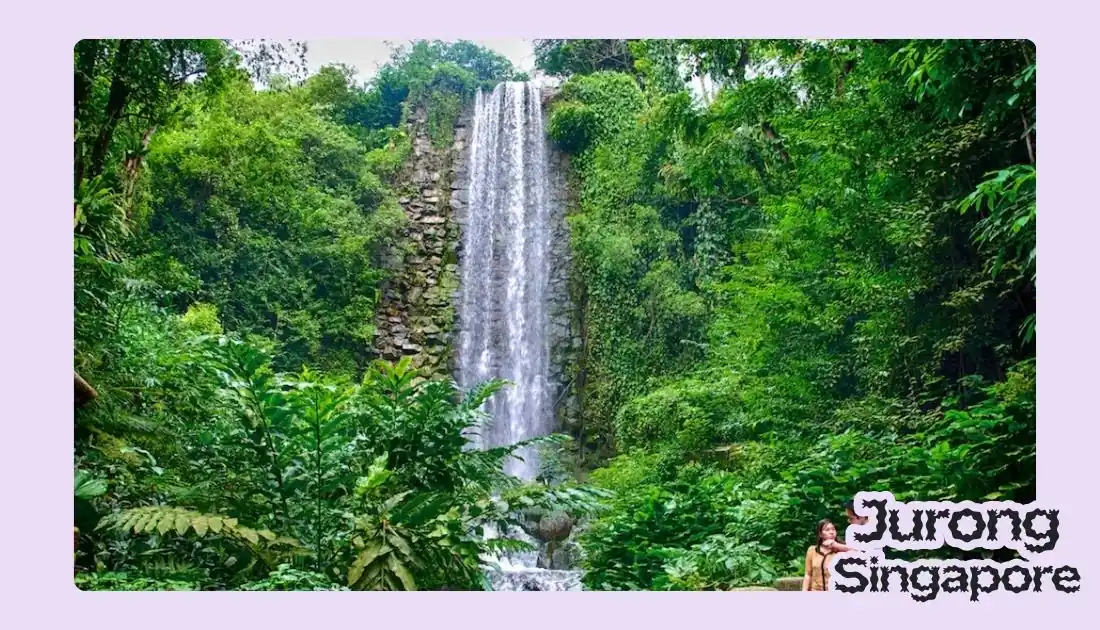
Jurong Falls was Singapore’s tallest man-made waterfall, long celebrated as the dramatic centrepiece of the former Jurong Bird Park. It stood within the Waterfall Aviary, where free-flying birds shared a lush, rainforest-like habitat built around the cascading falls. The structure rose against an artificial rock cliff, creating mist, greenery, and a naturalistic setting that became iconic in park photography. Jurong Falls was located in Jurong West, inside Jurong Bird Park along Jalan Bahar. Following the park’s relocation to Bird Paradise in Mandai (2023), the original site, and the falls, are no longer publicly accessible. Nature lovers can combine their trip with walking trails at Jurong Central Park Singapore.
Jurong Falls held a special place in Singapore’s environmental and tourism history. When Jurong Bird Park opened in 1971, the waterfall was engineered as a bold architectural and ecological statement, blending landscape design with wildlife conservation. At approximately 30 metres high, it was recognised as the tallest artificial waterfall in the country and quickly became the visual signature of the park. Generations of Singaporeans remember school trips, family outings, and photographs taken against its misty backdrop.
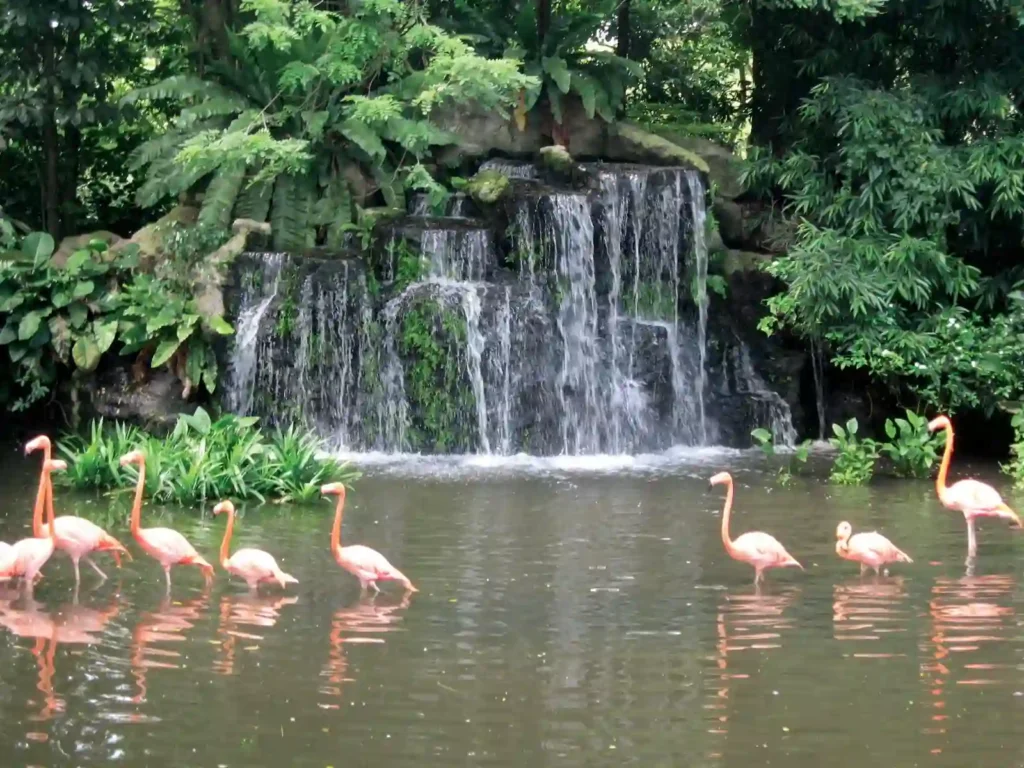
Beyond aesthetics, the waterfall served a functional purpose within the Waterfall Aviary. The humidity, vegetation, and flowing water helped simulate a tropical rainforest climate suitable for exotic bird species from Africa and South America. This immersive habitat design was considered innovative for its time and influenced later zoo and aviary concepts worldwide. For elevated photography angles, visit Jurong Hill Park panoramic viewing deck.
Jurong Falls also symbolised Jurong’s transformation from swampland and industrial estates into a place of recreation, biodiversity, and education. Even after the Bird Park’s closure and move to Mandai, the waterfall remains an important cultural memory tied to Jurong’s identity and Singapore’s early efforts in combining engineering, nature, and conservation for public learning.
Description of the Falls (Height, Type, Scenery)
Jurong Falls was a 30-metre-tall man-made waterfall built against a sculpted rock cliff inside the Waterfall Aviary. Unlike natural waterfalls formed by erosion, this structure was carefully engineered to replicate the look and sound of a tropical cascade. Water streamed from the top of the rock face into pools below, generating cool mist and sustaining dense plant life around the aviary.
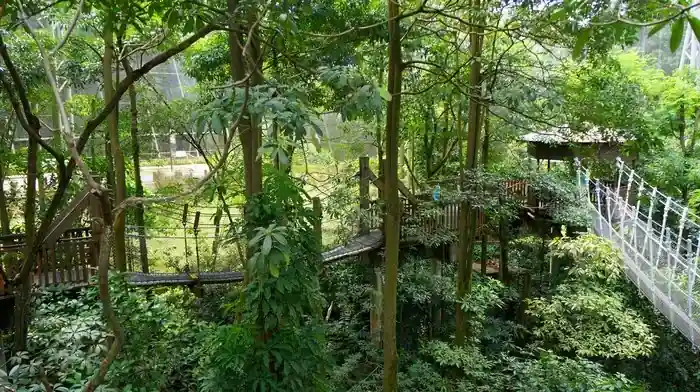
The surrounding scenery was intentionally rainforest-themed. Thick foliage, vines, tall trees, and shrubs framed the falls, creating a multi-layered green backdrop. Wooden walkways allowed visitors to pass through the aviary at different heights, offering unique perspectives of birds flying across the waterfall. Sunlight filtering through the canopy, combined with drifting mist, created a photogenic and tranquil atmosphere. The constant water flow also helped regulate temperature and humidity, making the environment comfortable for both birds and visitors while enhancing the illusion of a natural jungle ecosystem in the middle of urban Jurong.
Visiting Jurong Falls – Things to Know
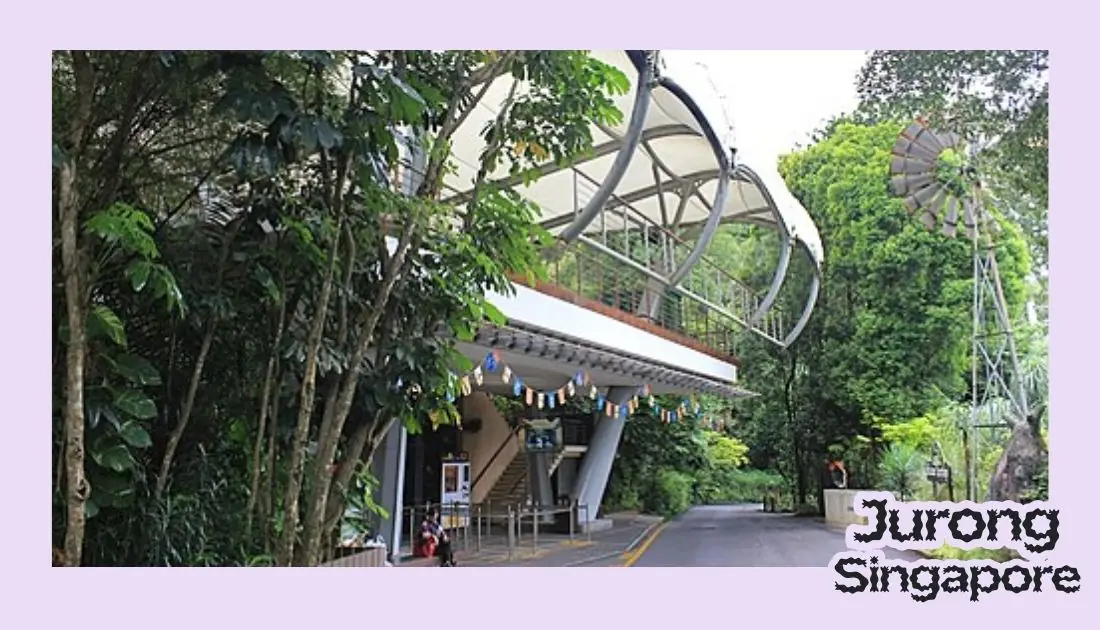
Jurong Falls is not currently open to the public because the former Jurong Bird Park site has been closed after the relocation to Mandai. Visitors cannot access the waterfall area today. However, its legacy can still be appreciated through archives, photographs, and memories. Those interested in similar experiences can visit Bird Paradise in Mandai, which continues the aviary concept in a new setting. The former site remains part of Jurong’s historical landscape but is fenced off from public entry. Any visits to the area should respect site restrictions and safety barriers. Public transport access is explained in the Jurong East MRT Station travel and exit guide.
Access Requirements (Public Paths, Park Rules)
When Jurong Bird Park was operational, access to Jurong Falls required park admission, and visitors followed designated aviary walkways built around the waterfall. Today, these paths are no longer publicly accessible due to the park’s closure and redevelopment plans for the area. There are no public trails leading to the falls, and the perimeter is secured.
Visitors should not attempt to enter restricted grounds or bypass barriers, as the site may contain maintenance hazards and ongoing works. Photography from outside fencing is limited and often obstructed by vegetation and structures. Those wishing to learn about Jurong Falls should rely on official archives, historical materials, or exhibitions that document the park’s heritage. For a comparable nature-aviary experience, Bird Paradise at Mandai offers modern walk-through aviaries inspired by the original concepts pioneered at Jurong.
Safety Guidelines for Visitors
As the site is closed, the primary safety guideline is do not enter restricted areas. The former park grounds may contain uneven terrain, disused structures, and active redevelopment zones. Respect all signage and fencing around Jalan Bahar and Jurong Hill.
If exploring nearby public areas like Jurong Hill Park, stick to marked trails and public paths. Avoid wandering into forested or fenced zones. Use proper footwear when walking in surrounding parks and remain cautious near roads with industrial traffic. For those seeking waterfall or aviary experiences, visit approved parks and attractions where safety standards are maintained for public access.
Activities at Jurong Falls
When operational, Jurong Falls offered immersive walking trails, birdwatching, and photography opportunities within the aviary. Elevated walkways allowed visitors to experience different vantage points of the waterfall and birds in flight. Families, school groups, and photographers frequently gathered here due to the scenic setting. Today, activities are limited to reminiscing, viewing old photographs, or visiting similar attractions elsewhere in Singapore.
Hiking Trails and Nature Walks
Visitors once explored wooden boardwalks and gently sloped paths inside the Waterfall Aviary, designed to resemble natural jungle trails. These walkways encouraged slow discovery of tropical plants, cascading water, and free-flying birds around the falls. The immersive layout allowed guests to feel surrounded by nature while remaining on safe, guided paths. Although these specific trails no longer exist, similar experiences can be found today at nearby green spaces such as Jurong Hill Park and landscaped park connectors. These areas continue the spirit of relaxed nature walks, offering shaded paths, scenic viewpoints, and opportunities to observe greenery and wildlife in a calm, restorative setting.
Photography and Scenic Spots
Jurong Falls was once among Singapore’s most photographed man-made landscapes, admired for its dramatic blend of water, greenery, and birdlife. The rising mist from the cascade, combined with lush foliage, created striking natural frames for both hobbyists and professional photographers. Sunlight filtering through the canopy produced soft light rays, while reflections in surrounding pools added visual depth and texture. The ever-moving birds brought life and motion to each composition, making every photograph unique. Today, although the site is gone, archival images remain valued in heritage collections, preserving the memory of this iconic scenic landmark.
Family-Friendly and Group Activities
School excursions and family outings frequently centred around the Waterfall Aviary, where learning blended naturally with leisure. Children and adults alike explored the environment while discovering information about bird species, ecosystems, and conservation practices. The setting offered an educational experience that felt immersive rather than classroom-based, helping visitors connect with nature in a meaningful way. Groups often paused along the paths to observe feeding sessions, listen to guides, and take photographs together. Although the waterfall no longer exists, the legacy of these shared experiences continues through similar educational visits to nature parks, wildlife centres, and green spaces across Singapore.
Seasonal Weather and Flow Conditions
Jurong Falls operated on a controlled water system and flowed consistently regardless of season. Weather mainly affected lighting and visitor comfort rather than water volume.
Time of Day for Photography or Leisure
Morning light and cooler temperatures once made early visits especially rewarding inside the Waterfall Aviary. Soft sunlight filtered through the canopy, creating gentle highlights on foliage and mist from the falls. Photographers appreciated the balanced lighting, which reduced harsh shadows and enhanced natural colours. The calmer atmosphere also allowed visitors to move slowly along the paths, observing birds and plants without rush. Today, similar benefits can be enjoyed at nearby parks during early hours, where mild weather, quieter surroundings, and pleasing natural light continue to support relaxed walks, scenic appreciation, and unhurried photography in green environments.
Recommendations for Quieter or Safer Visits
Historically, weekdays and early morning hours were less crowded at the Waterfall Aviary, allowing visitors to explore comfortably and safely. Fewer people meant clearer pathways, easier photography, and a more peaceful atmosphere for families and school groups. While the aviary no longer exists, this approach still applies to alternative parks and green spaces in Jurong. Visiting during non-peak hours helps avoid crowds, reduces noise, and creates a calmer environment for walks or picnics. Choosing well-maintained parks with clear signage, lighting, and accessible routes also contributes to a safer, more enjoyable outdoor experience for all visitors.
Nearby Attractions & Facilities
Parks, Playgrounds, or Picnic Areas
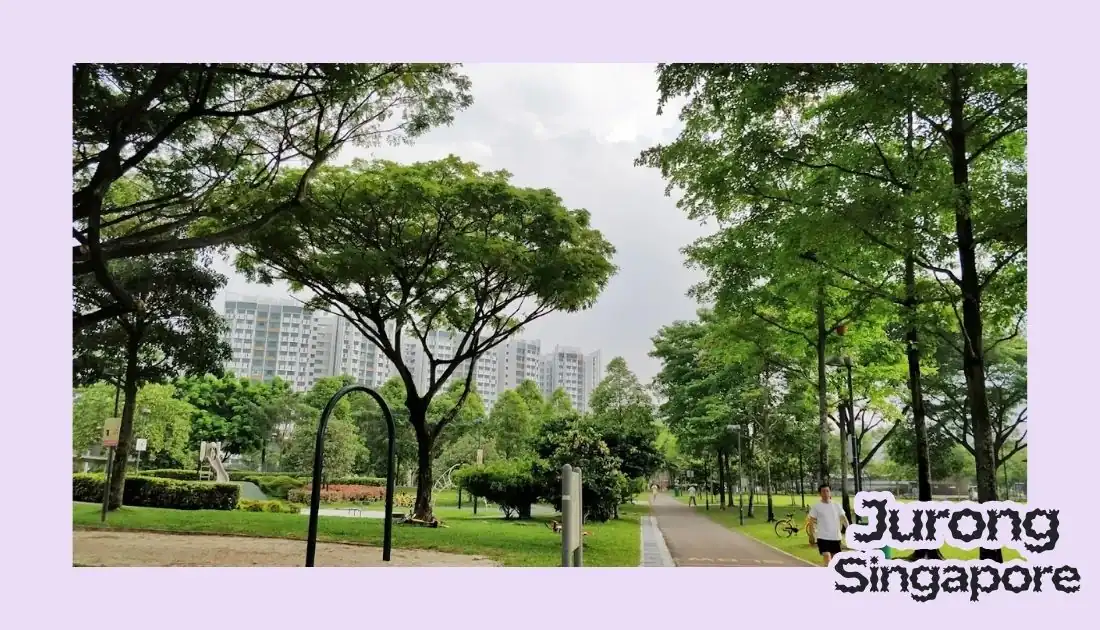
Jurong Hill Park and Jurong Lake Gardens provide inviting green spaces ideal for families, friends, and casual visitors seeking outdoor relaxation. Wide lawns, shaded walking paths, and well-maintained seating areas make these parks suitable for picnics and leisurely strolls. Children can enjoy open areas for play while adults unwind amid landscaped gardens and scenic views. The parks also feature fitness corners, viewing points, and connecting trails that encourage light exercise and exploration. With accessible pathways and peaceful surroundings, these locations continue to offer the kind of nature-based recreation once associated with the Jurong Falls environment, promoting comfort and community interaction.
Cafés or Eateries Near Jurong Falls
Areas around Boon Lay, Lakeside, and Jurong Point offer a wide selection of dining options within a short drive from the former Jurong Falls site. Visitors can find hawker centres serving local favourites, casual cafés for light meals, and family-friendly restaurants suitable for group dining. These food spots cater to varied tastes and budgets, making them convenient stops after exploring nearby parks and attractions. Many outlets provide comfortable seating and takeaway choices for those planning outdoor picnics. The abundance of eateries ensures that visitors can easily combine nature visits with enjoyable dining experiences in the Jurong West vicinity.
Other Points of Interest in Jurong West
Jurong West is home to several notable attractions that continue to draw visitors for education and recreation. NTU’s Yunnan Garden offers a serene landscape inspired by classical Chinese garden design, featuring ponds, bridges, and walking paths. Jurong Lake Gardens provides expansive greenery, thematic play areas, and waterfront views ideal for relaxation. Science Centre Singapore adds an interactive learning dimension with engaging exhibits for children and adults alike. Together, these destinations create a varied itinerary for visitors seeking nature, culture, and educational experiences within close proximity of the former Jurong Falls area.
Planning Your Trip
Suggested Itineraries for Short or Long Visits
Plan a relaxed half-day by starting at Jurong Hill Park for views, continuing to Jurong Lake Gardens for waterfront walks, and ending with a meal at nearby eateries. This west-side route blends greenery, light activity, and convenient dining, creating an easy itinerary suitable for families, couples, or small groups.
Accessibility for Families or Elderly Visitors
Nearby parks feature paved paths, gentle slopes, and frequent seating that support comfortable movement for families and elderly visitors. Clear signage, sheltered rest points, and accessible restrooms improve convenience. These thoughtful designs allow everyone to enjoy greenery, fresh air, and scenic views without physical strain.
Safety Tips and Preparation Checklist
Wear light, breathable clothing and comfortable footwear for walking. Carry water to stay hydrated and apply sun protection such as hats or sunscreen. Follow park guidelines and respect restricted zones around the former site. Check weather forecasts beforehand to ensure a safe, pleasant outdoor visit.
Frequently Asked Questions
Where is Jurong Falls located?
Inside the former Jurong Bird Park along Jalan Bahar, Jurong West.
How do I get to Jurong Falls?
The site is closed; public access is no longer permitted.
Is Jurong Falls safe for children?
It was safe when operational; today the area is restricted.
What activities can I do at Jurong Falls?
Currently none; visit Bird Paradise or nearby parks instead.
Are there other attractions near Jurong Falls?
Yes, Jurong Hill Park, Jurong Lake Gardens, NTU Yunnan Garden.
Conclusion
Jurong Falls was more than a waterfall, it was a symbol of creative landscape engineering, environmental education, and cherished memories for generations of visitors to Jurong Bird Park. As Singapore’s tallest man-made waterfall, it blended architecture, nature, and wildlife into an immersive experience that defined the park’s identity for over 50 years. Although the original site is now closed following the move to Mandai, the legacy of Jurong Falls lives on through photographs, stories, and the continued evolution of aviary design in Singapore. For those exploring Jurong today, nearby parks and gardens still offer greenery and relaxation, while Bird Paradise carries forward the spirit of immersive bird habitats. Jurong Falls remains an important chapter in Singapore’s recreational and conservation history, remembered fondly as an icon of the west.