

Dim Sum Jurong | Best Restaurants, Buffets & MRT-Nearby Spots (2026)
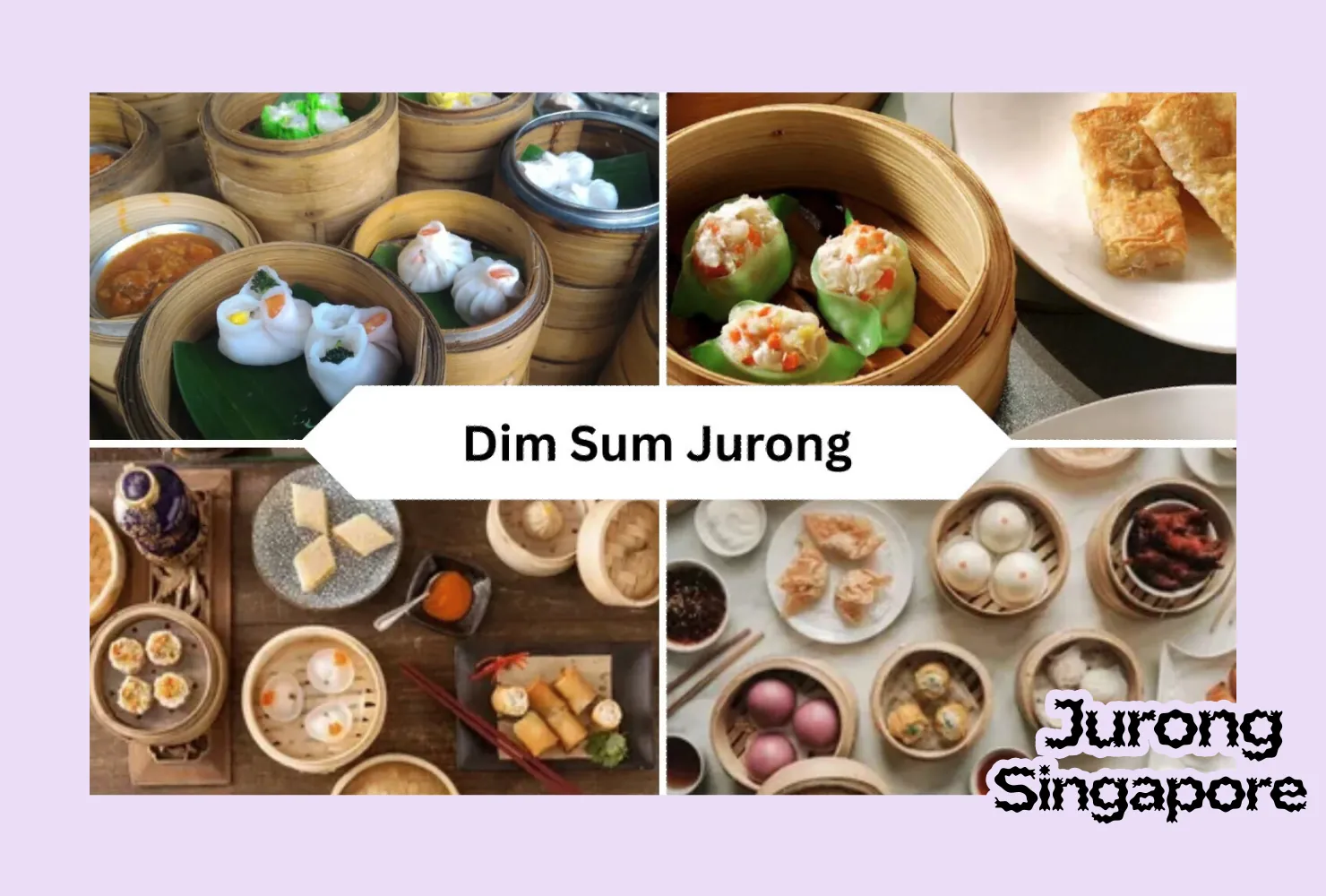
Reflects the area’s strong food culture and its role as one of western Singapore’s most accessible dining districts. Spanning Jurong East, Jurong West, Taman Jurong, and Jurong Point, the dim sum scene here offers a wide spectrum of choices, from traditional Hong Kong–style restaurants and established local brands to casual coffee shop stalls serving affordable, everyday dim sum. Residents and visitors alike enjoy a variety of classic dishes such as steamed dumplings, buns, rice rolls, and fried specialties, often paired with Chinese tea for breakfast or lunch. Jurong’s well-connected MRT stations, major shopping malls, and dense residential neighborhoods make it easy to find dim sum within walking distance, whether for a quick takeaway meal or a relaxed sit-down experience. With options ranging from à la carte dining and family-friendly restaurants to occasional buffet offerings and specialty menus, Jurong has become a go-to destination for those seeking consistent quality, convenience, and variety in their dim sum dining experience.
Dim Sum JurongBest Places to Eat in 2026
Table of Contents
Toggle
Dim sum has long been a staple of Singapore’s food culture, and Jurong has quietly become one of the west’s most reliable districts for quality, affordable, and diverse dim sum options. From traditional Hong Kong–style teahouses to neighborhood coffee shop stalls and modern mall restaurants, Jurong offers something for every type of diner whether you’re looking for a full buffet, a casual breakfast bite, or a well-known dim sum brand. For more variety, this Jurong food roundup highlights many cuisines.
Across Jurong East, Jurong West, Taman Jurong, and Jurong Point, dim sum is enjoyed throughout the day, especially during breakfast and lunch hours. Families gather for weekend meals, office workers drop by during lunch breaks, and residents rely on familiar neighborhood vendors for takeaway favorites like siew mai, har gow, and chee cheong fun.
What Makes Dim Sum Popular in Jurong
Dim sum’s popularity in Jurong is closely tied to the area’s residential density, transport connectivity, and mix of traditional and modern dining spaces. Unlike city-center districts where dim sum is often positioned as a premium experience, Jurong offers a more everyday, community-driven approach.
Many dim sum spots here operate within coffee shops, hawker-style eateries, or mid-range restaurants, making them accessible to families, seniors, and working professionals. Prices tend to be more affordable, portions are generous, and menus often blend classic Cantonese items with local preferences.
Jurong’s well-connected MRT stations such as Jurong East MRT and Boon Lay MRT also make it easy for diners to explore multiple dim sum locations without traveling far. Peak dining times typically fall between 8:00–11:00 AM for breakfast and 12:00–2:00 PM for lunch, especially on weekends.
Dim Sum in Jurong East
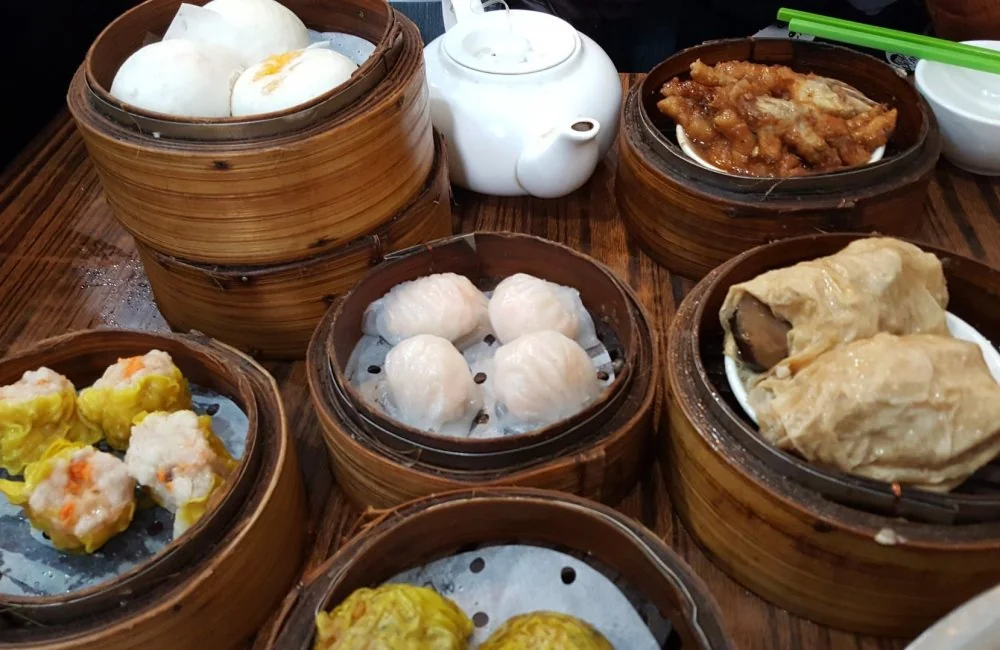
Jurong East is one of the most active dining hubs in the west, anchored by major malls, MRT interchanges, and business districts. Dim sum options here range from established restaurant brands to convenient mall-based eateries.
Popular areas include Jurong East MRT, Westgate, JEM, and nearby residential clusters.
Notable Dim Sum Options in Jurong East
- Tiong Bahru Dim Sum (Jurong East area)
Known for its extensive menu and consistent quality, this brand attracts diners looking for classic steamed and fried dim sum dishes. Expect a wide selection including char siew buns, chee cheong fun, and herbal soups. - Kimly Dim Sum Jurong East
Often found within coffee shop settings, Kimly’s dim sum stalls are popular for quick, affordable meals. Items are usually sold à la carte, making it a convenient choice for breakfast or takeaway. - Mall-based Dim Sum Restaurants
Jurong East malls host several Chinese dining outlets offering dim sum as part of larger menus. These are suitable for group dining and often provide air-conditioned seating and extended operating hours.
Jurong East is especially appealing for diners who want easy MRT access, a comfortable dining environment, and the option to combine meals with shopping or errands.
Dim Sum in Jurong West
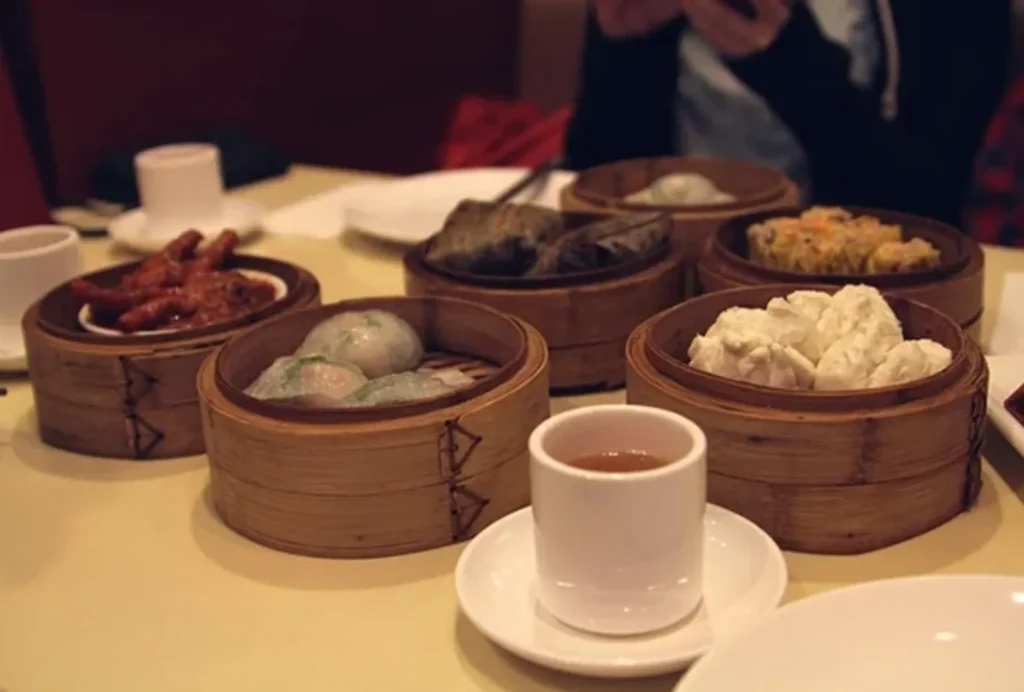
Jurong West is largely residential, and its dim sum scene reflects a strong neighborhood dining culture. Many of the most popular dim sum options here are located within coffee shops, small eateries, or community food centers.
These venues prioritize affordability, familiarity, and convenience, making them favorites among long-time residents.
Key Dim Sum Choices in Jurong West
- Kimly Dim Sum Jurong West
A well-known presence in the area, Kimly dim sum stalls in Jurong West are frequented by locals for breakfast and early lunch. Menus usually focus on staples such as siew mai, har gow, and rice rolls. - Neighborhood Coffee Shop Stalls
Several coffee shops in Jurong West feature independent dim sum vendors offering freshly steamed items daily. While menus may be smaller, prices are typically lower than mall-based restaurants. - Casual Chinese Eateries
Some standalone Chinese restaurants in Jurong West include dim sum as part of a broader menu, appealing to families seeking sit-down meals without traveling to central areas.
Jurong West is ideal for diners who value quick service, local pricing, and familiar flavors over formal dining settings.
Dim Sum at Jurong Point
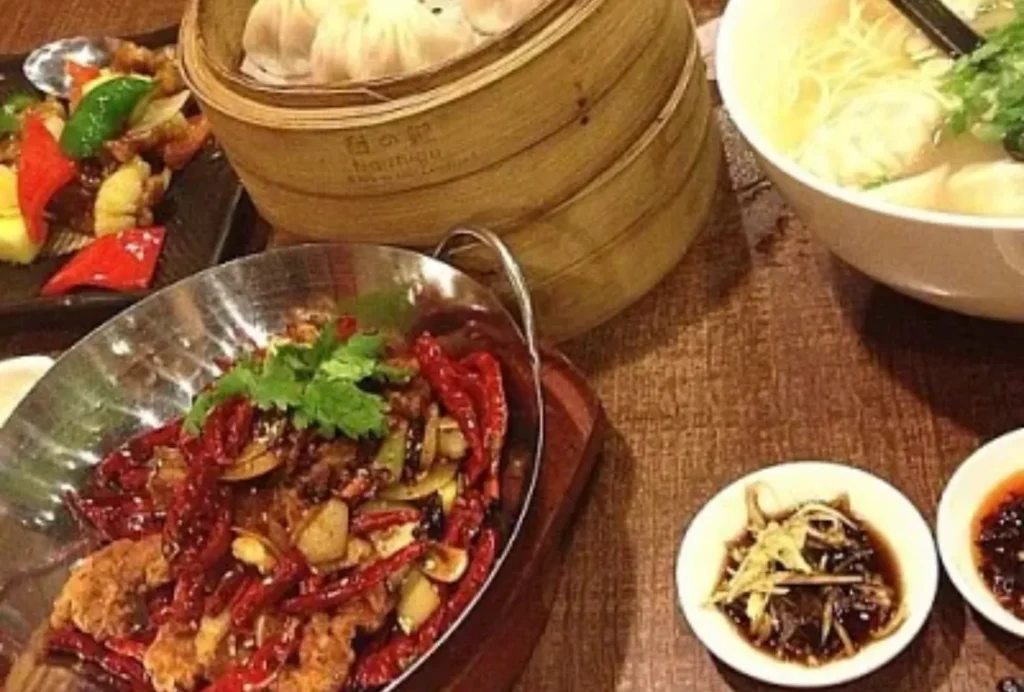
Jurong Point is one of Singapore’s largest suburban malls and a major dining destination in the west. Its location next to Boon Lay MRT makes it highly accessible, attracting shoppers, office workers, and families throughout the day.
Dim sum at Jurong Point is generally more structured, with established restaurants offering Hong Kong–style menus, consistent service, and comfortable seating.
Dim Sum Options at Jurong Point
- Hong Kong–Style Dim Sum Restaurants
These outlets focus on traditional Cantonese preparations, often serving dim sum in steamer baskets alongside Chinese teas. Menus are usually extensive, covering both classic and premium items. - À la Carte and Set Menus
Many Jurong Point restaurants offer à la carte dim sum, as well as set meals designed for sharing. This suits both small groups and larger family gatherings. - Occasional Buffet Promotions
While not always available year-round, some restaurants introduce limited-time dim sum buffet promotions during off-peak hours or special seasons.
Jurong Point is a strong choice for diners seeking air-conditioned comfort, brand reliability, and MRT convenience.
Dim Sum in Taman Jurong
Taman Jurong offers a quieter, more community-focused dining environment compared to Jurong East or Jurong Point. Dim sum here is typically found in neighborhood eateries and coffee shops, catering primarily to nearby residents.
What to Expect in Taman Jurong
- Local Favorites
Dim sum vendors in Taman Jurong often rely on repeat customers and word-of-mouth. Menus may be smaller but focus on well-executed classics. - Casual Dining Atmosphere
Most dim sum spots here are informal, making them suitable for relaxed breakfasts or quick meals. - Accessibility and Parking
While MRT access is more limited, many locations offer nearby parking or are reachable by bus, which is convenient for residents.
Taman Jurong is best suited for diners looking for low-key, neighborhood-style dim sum without crowds.
10 Best Dim Sum Restaurants in Jurong
Kimly Dim Sum (Jurong East)
Located in the heart of Jurong East near the MRT station, Kimly has built a loyal following for its extensive menu of traditional favorites. Their signature items include crystal shrimp dumplings with translucent wrappers, pork ribs steamed with black bean sauce, and fluffy char siew bao. The restaurant operates from early morning until mid-afternoon, making it ideal for breakfast or brunch. Prices remain reasonable compared to city-center establishments, with most dishes ranging from $4 to $8 per basket.
Swee Choon Tim Sum Restaurant
Though headquartered elsewhere, their Jurong West outlet has become a neighborhood staple. Open until late evening, Swee Choon offers a rare opportunity to enjoy dim sum for dinner rather than just breakfast or lunch. Their mee sua kueh (crispy dumpling) and salted egg yolk custard buns are standout creations that blend traditional techniques with modern flavors. Weekend crowds can be substantial, so arriving before 10 AM or after 2 PM helps avoid waits.
Red Star Restaurant (Jurong Point)
This Hong Kong-style establishment brings authentic pushcart service to Jurong Point, where servers wheel trolleys loaded with bamboo steamers through the dining room. The experience feels transportive, reminiscent of classic Hong Kong teahouses. Signature dishes include sticky rice wrapped in lotus leaf, steamed spare ribs, and egg tarts with flaky crusts. The restaurant occupies a spacious area within the mall, accommodating both small groups and large family gatherings.
Tiong Bahru Dim Sum (Jurong East)
Don’t let the name confuse you. This branch operates successfully in Jurong East, serving the same quality that made the original location famous. Their handmade dumplings feature thin, delicate skins that don’t overpower the fillings. The chive dumplings and steamed chicken feet in black bean sauce are particularly well-executed. Arrive early on weekends, as the compact space fills quickly and doesn’t accept reservations.
Imperial Treasure Cantonese Cuisine (JEM)
For those seeking an upscale dim sum experience, Imperial Treasure delivers refined cooking in elegant surroundings. Located in JEM shopping mall near Jurong East MRT, the restaurant elevates classic dishes with premium ingredients think abalone siew mai and truffle-infused dumplings. While prices sit higher than neighborhood spots, the quality of ingredients and meticulous preparation justify the premium. Their weekday lunch sets offer better value than weekend à la carte ordering.
Ming Court Hong Kong Dim Sum (Taman Jurong)
This family-run restaurant has served the Taman Jurong community for over a decade, building reputation through consistency and generous portions. The menu covers all the traditional bases har gow, siew mai, chee cheong fun without venturing into experimental territory. What keeps regulars returning is the fresh, daily preparation and the friendly service that remembers repeat customers. Parking can be challenging during peak hours, but the nearby HDB carparks provide alternatives.
Crystal Jade Kitchen (Westgate)
Part of the well-regarded Crystal Jade group, this Westgate location combines quality and convenience for shoppers exploring the mall. Their xiao long bao (soup dumplings) maintain the delicate balance of thin skin and flavorful broth that the brand is known for. The extensive menu includes both dim sum and main dishes, making it suitable for full meals beyond just small plates. Service efficiency is notably good even during rush periods.
Victor’s Kitchen (Jurong West)
A hidden gem among HDB blocks in Jurong West, Victor’s Kitchen operates from a modest shophouse but produces dim sum that rivals fancier establishments. The prices are among the most affordable in the area, with most items under $5. Their century egg porridge and fried carrot cake complement the dim sum selection nicely. The casual atmosphere and quick service make it popular with residents grabbing breakfast before work or retirees enjoying unhurried morning tea.
Yum Cha (Jurong Point)
Modern and Instagram-friendly, Yum Cha brings contemporary aesthetics to traditional dim sum. Their colorful custard buns shaped like animals appeal to families with children, while maintaining authentic flavors beneath the playful presentation. The restaurant offers both steamed and baked items, including innovative creations like salted egg lava buns and matcha-flavored desserts. Located prominently in Jurong Point, it’s easily accessible for both locals and visitors exploring the mall.
Foshan Dim Sum (Taman Jurong)
Specializing in Guangzhou-style dim sum, Foshan brings regional authenticity to the neighborhood. Their congee selection is exceptional, featuring preserved egg with pork, fish, and seafood options. The steamed rice rolls are made to order, ensuring freshness and proper texture. While the dining environment is simple shared tables, basic decor the focus remains squarely on food quality. Regulars recommend the pan-fried turnip cake and the steamed chicken wrapped in paper.
Buffet & Specialty Dim Sum Options in Jurong
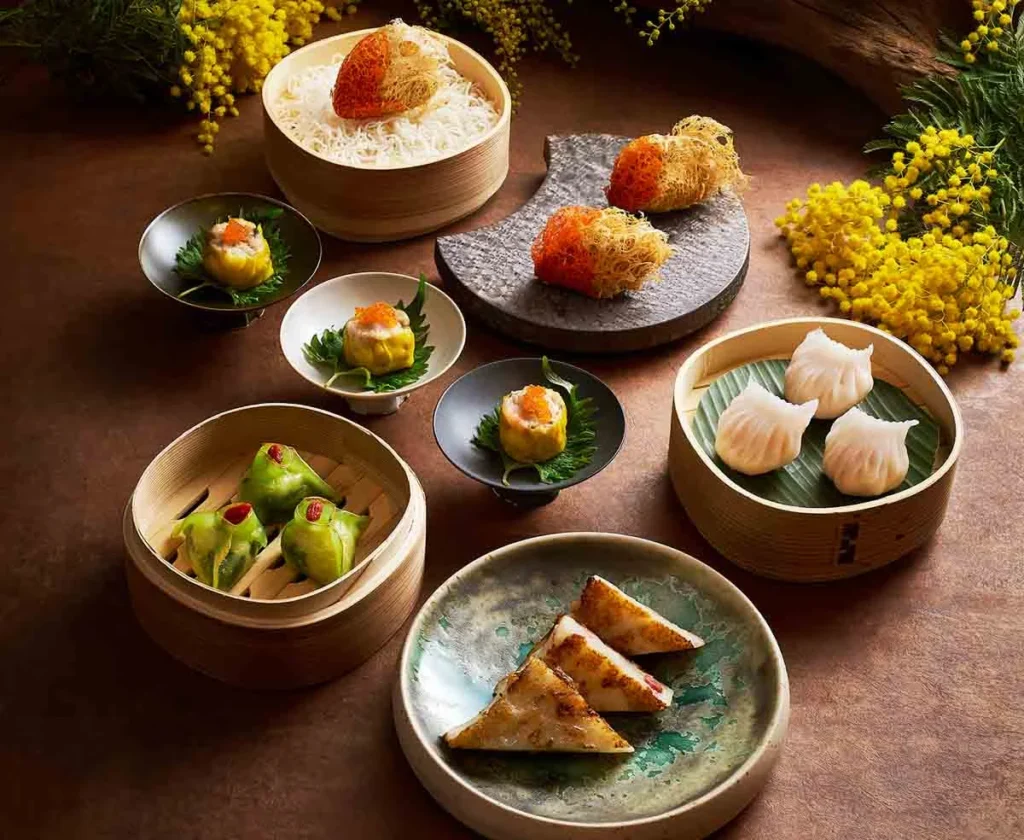
Dim sum in Jurong is available in both buffet and à la carte formats, each catering to different dining preferences and occasions. Understanding the distinctions between these service styles helps diners make informed choices based on their appetite, budget, and dining companions. If you’re comparing value-for-money meals, see buffet dining options in Jurong.
Buffet vs À La Carte Dim Sum
Buffet Dim Sum
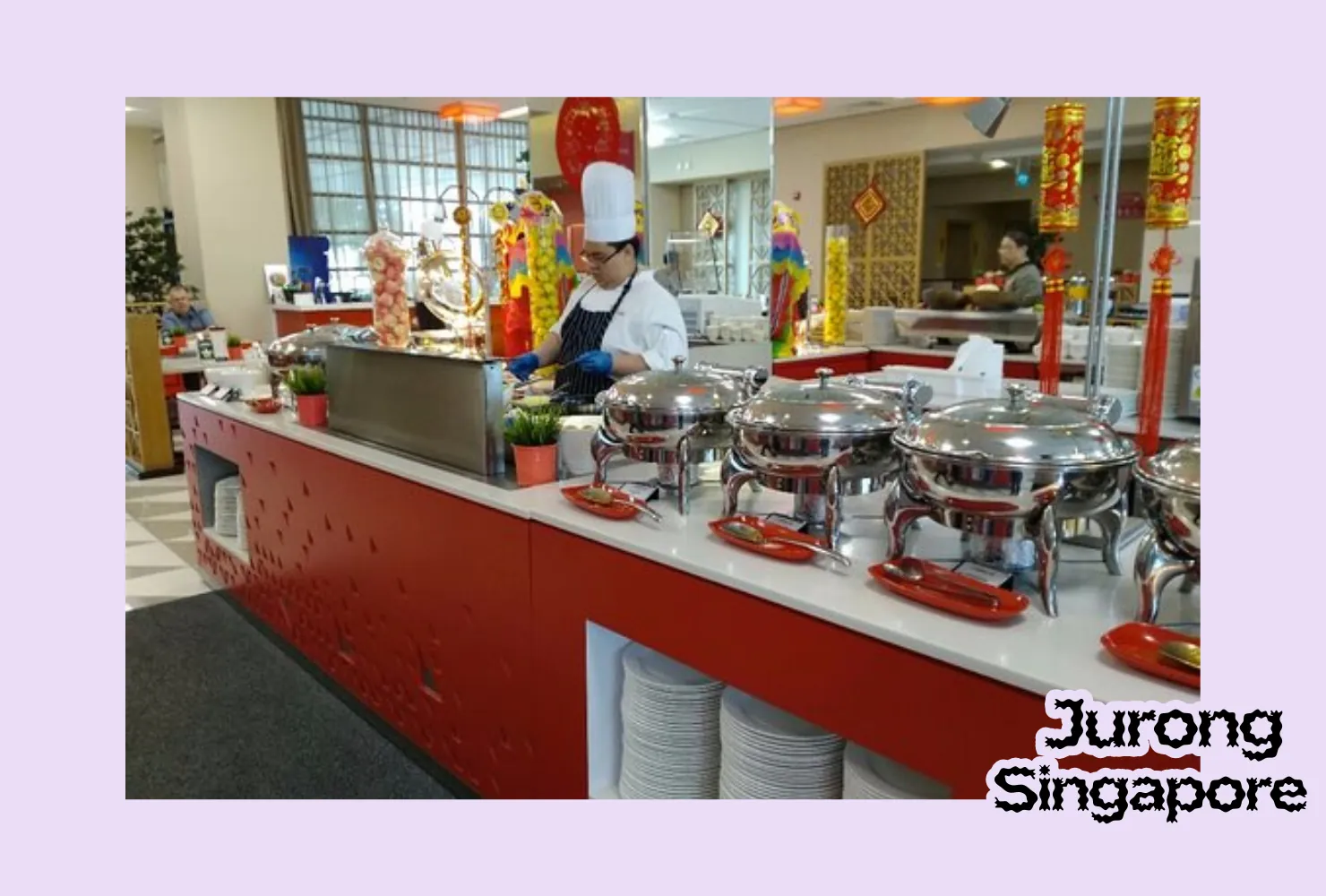
Buffet-style dim sum service is ideal for groups or diners who want to sample a wide variety of dishes at a fixed price. These establishments typically offer unlimited servings within a designated time period, making them particularly attractive for families, office gatherings, or those with hearty appetites. Buffets are commonly offered during lunch hours (typically 11:30 AM to 3:00 PM) and may have time limits ranging from 90 minutes to 2 hours. Weekend and public holiday buffets often command premium pricing compared to weekday rates.
The buffet format allows diners to try multiple dim sum varieties without worrying about individual item costs, though popular items may run out during peak hours and require waiting for fresh batches from the kitchen.
À La Carte Dim Sum
À la carte dining allows more flexibility and portion control, making it ideal for smaller groups, couples, or solo diners who prefer selecting specific dishes. Most neighborhood stalls, coffee shop vendors, and traditional dim sum restaurants in Jurong operate this way. Diners can order exactly what they want, pace their meal comfortably, and avoid food waste.
À la carte service typically offers the freshest preparations since dishes are made to order, and it’s the preferred format for takeaway orders. Pricing varies by item, with steamed dishes generally more affordable than fried or specialty options.
Choosing a Dim Sum Buffet in Jurong
When selecting a dim sum buffet in Jurong, several factors merit consideration:
Time Restrictions and Operating Hours
Most buffets enforce strict seating times, with last orders typically 30 minutes before the session ends. Arrive early during weekends to avoid waiting, as popular venues like those in Jurong Point and Jurong Gateway fill quickly. Some restaurants offer multiple sessions (early lunch and late lunch), so confirm your preferred timing when making reservations.
Menu Limitations and Exclusions
Review what’s included in the buffet price carefully. Premium items such as abalone dumplings, lobster varieties, or specialty baked dim sum may be excluded or available at supplementary charges. Some buffets limit quantities on premium items (like one serving of Peking duck per table) or rotate specialty dishes by day of the week.
Basic buffets typically include standard favorites like har gow, siu mai, char siu bao, lo mai gai, and egg tarts, while premium buffets expand to include baked items, fried selections, congee, noodles, and desserts.
Weekday vs Weekend Pricing
Weekday buffets generally offer better value, with prices often 20-40% lower than weekend rates. However, weekend buffets typically feature expanded menus with more specialty items and festive options. Consider visiting on weekdays if you’re primarily interested in classic dim sum varieties and want to maximize savings.
Restaurant Size and Ambiance
Buffet options are more commonly found in Jurong East and around Jurong Point, where larger restaurants with extensive kitchens operate. These establishments have the capacity to prepare and replenish multiple dim sum varieties simultaneously. Smaller coffee shop vendors typically cannot sustain buffet operations due to space and staffing constraints.
Specialty Dim Sum Offerings
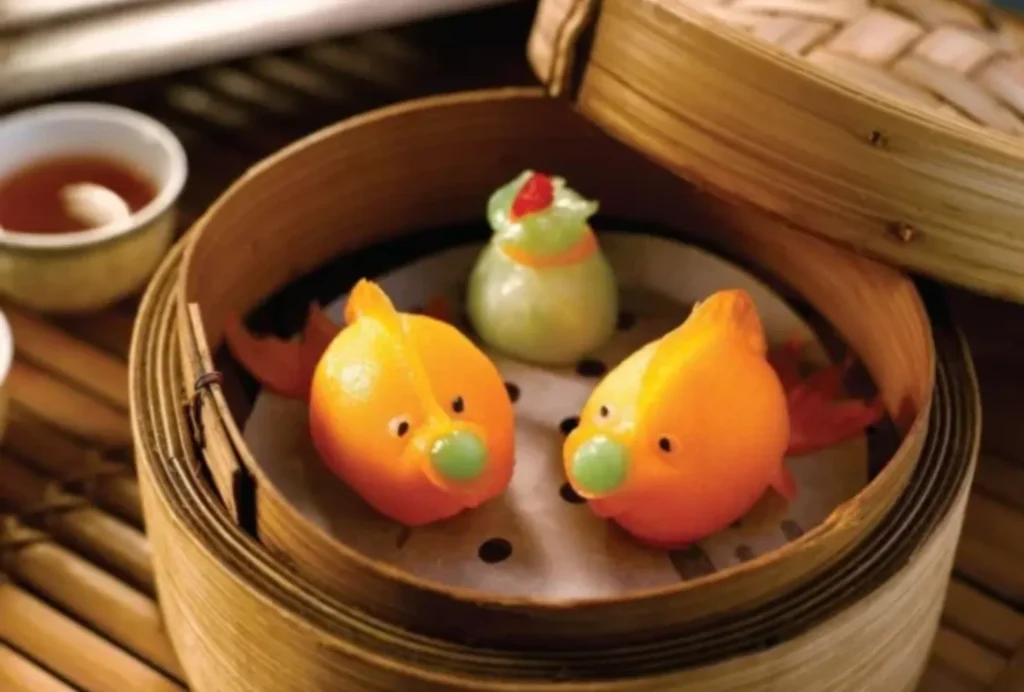
Beyond standard buffet and à la carte options, Jurong’s dim sum scene includes several specialty formats:
Themed Dim Sum Experiences
Some restaurants periodically introduce themed dim sum menus featuring seasonal ingredients, regional Chinese specialties, or fusion creations blending local Singapore flavors with traditional Cantonese techniques. These limited-time offerings often appear during festival periods like Chinese New Year or Mid-Autumn Festival.
Premium and Modern Dim Sum
Contemporary dim sum establishments in Jurong West and Jurong East have introduced innovative variations on classics, including colorful crystal dumplings with unique fillings, truffle-infused siu mai, and modernist presentations incorporating molecular gastronomy techniques. These specialty items are typically available à la carte at premium prices.
Halal Dim Sum Options
Recognizing Jurong’s diverse community, several establishments offer halal-certified dim sum using chicken, beef, or seafood in place of traditional pork. These venues cater to Muslim diners while maintaining authentic dim sum flavors and cooking methods.
Takeaway and Delivery Formats
Most à la carte dim sum vendors in Jurong offer takeaway packaging, with some providing pre-steamed frozen dim sum that customers can reheat at home. This option suits busy professionals and families wanting restaurant-quality dim sum without dining in. Delivery services through food platforms have also made Jurong’s dim sum scene more accessible.
Making Your Selection
Your choice between buffet and à la carte dim sum should align with your specific circumstances:
- Choose buffet for large groups (6+ people), adventurous eaters wanting variety, or when you have 2+ hours for leisurely dining
- Choose à la carte for precise dish selection, smaller parties, takeaway convenience, or when you prefer controlling your pace and budget
Both formats offer authentic Jurong dim sum experiences—the key is matching the service style to your dining occasion and preferences.
Tips for Dining Dim Sum in Jurong
Best Times to Visit
Breakfast hours from 8:00 to 10:30 AM represent the traditional dim sum period when most establishments serve their freshest batches. During these early morning hours, steamers are continually replenished, ensuring optimal texture and temperature for delicate items like har gow and crystal dumplings. Weekend mornings attract families and retirees who gather for leisurely yum cha sessions, creating a vibrant atmosphere but also resulting in potential wait times at popular venues. Dim sum is often enjoyed before or after movies at Jurong cinemas.
Lunch service from 12:00 to 2:00 PM marks the second peak period, particularly appealing to office workers and shoppers in Jurong East’s commercial districts. Mall-based dim sum restaurants experience their highest traffic during weekend lunch hours, with queues forming as early as 11:30 AM at sought-after establishments in Jurong Point and JCube.
Strategies for Avoiding Crowds
Visiting during off-peak windows between 10:30 AM and 11:30 AM offers the best of both worlds you’ll still find fresh dim sum available while avoiding the breakfast and lunch rushes. Weekday mornings generally provide quicker seating compared to weekends, and some restaurants offer weekday promotions or discounted pricing during these quieter periods.
Early bird diners who arrive right when restaurants open (typically 7:30 or 8:00 AM) enjoy immediate seating and first access to freshly prepared dim sum. This timing works especially well for those planning to visit Jurong’s hawker centers or coffee shop dim sum stalls, where turnover is rapid and popular items can sell out by mid-morning.
Reservations
Mall-based restaurants and hotel dim sum venues in Jurong generally accept advance reservations, particularly valuable for larger groups of six or more people. Booking ahead becomes essential during weekend peak hours, public holidays, and festival periods like Chinese New Year when demand significantly exceeds seating capacity.
When Reservations Are Recommended
Buffet venues require reservations almost universally, as they operate on fixed seating sessions with time limits. Without advance booking, expect substantial wait times or possible turn-aways during Saturday and Sunday lunch services. Birthday celebrations, family reunions, and corporate gatherings should always be pre-arranged to ensure adequate table space and proper seating configurations.
Walk-In Friendly Venues
Traditional coffee shop dim sum stalls and neighborhood eateries typically operate on a first-come, first-served basis without reservation systems. These establishments rely on high turnover and communal seating arrangements, making them suitable for smaller groups willing to wait briefly during busy periods. Solo diners and couples often find immediate seating even during peak hours at such venues.
Some mall restaurants accept waitlist registrations through queue management apps, allowing you to monitor your position remotely rather than physically waiting at the entrance. This system provides flexibility to browse nearby shops while awaiting your table.
Dietary Considerations
Jurong’s dim sum scene increasingly accommodates various dietary requirements, though options vary significantly by establishment type and location.
Vegetarian Dim Sum Options
Select restaurants now offer dedicated vegetarian dim sum menus featuring mushroom-based alternatives to traditional pork and shrimp fillings. Vegetarian siu mai typically incorporates shiitake mushrooms, water chestnuts, and textured vegetable protein, while vegetable dumplings showcase seasonal greens, carrots, and bamboo shoots. Buddhist-style dim sum venues occasionally appear in Jurong, providing completely plant-based selections including vegetarian char siu bao using mock meat.
Standard vegetarian items available at most dim sum establishments include spring rolls with vegetable fillings, taro puffs, yam cakes, and various steamed buns with lotus paste or red bean fillings. However, cross-contamination remains possible in kitchens that also prepare meat-based dishes, so strict vegetarians should inquire about preparation methods.
Halal-Friendly Dim Sum
Halal-certified dim sum can be found at Muslim-owned eateries and select certified venues throughout Jurong, though availability is less widespread than conventional dim sum. These establishments substitute chicken, beef, or seafood for pork while maintaining authentic Cantonese flavors and cooking techniques. Halal dim sum restaurants typically display certification prominently at their entrances.
Menu adaptations at halal venues include chicken siu mai, beef dumplings, seafood har gow, and chicken char siu bao. Some halal establishments also offer unique fusion items incorporating local Malay flavors. Note that halal dim sum restaurants may have different operating hours than traditional venues, sometimes extending into evening service to accommodate breaking fast during Ramadan.
Allergen Awareness
Diners with shellfish allergies should exercise particular caution, as shrimp paste and dried shrimp feature prominently in many dim sum varieties, including seemingly vegetable-focused dishes. Soy and wheat (in dumpling wrappers and soy sauce) are ubiquitous ingredients. Most restaurants can provide ingredient information upon request, though language barriers may occasionally complicate communication at smaller coffee shop stalls.
Gluten-free options remain limited, as wheat-based wrappers dominate dim sum preparation. Rice noodle rolls (cheong fun) offer a naturally gluten-free alternative, though cross-contamination risks exist in shared kitchen environments.
Takeaway vs Dine-In
The choice between takeaway and dine-in service significantly impacts your dim sum experience, with each format offering distinct advantages depending on your circumstances and priorities.
Coffee Shop Stalls for Takeaway
Coffee shop dim sum stalls excel at quick takeaway service, with most orders packed and ready within 10 to 15 minutes during off-peak hours. These vendors maintain pre-steamed inventory during busy periods, enabling rapid fulfillment of popular items. Packaging typically uses styrofoam or plastic containers with secure lids, though some environmentally conscious stalls now offer biodegradable alternatives.
Takeaway orders from coffee shops generally cost slightly less than dine-in equivalent at restaurants, and you avoid service charges. However, dim sum quality deteriorates relatively quickly after packaging steam condenses inside containers, potentially making wrappers soggy within 30 to 45 minutes. Items with crispy textures like spring rolls and radish cakes suffer most from takeaway packaging.
Restaurant Dine-In Experience
Restaurants provide a more relaxed, traditional yum cha atmosphere where dim sum arrives piping hot directly from steamers. The communal aspect of dim sum dining sharing multiple small plates, pouring tea for others at your table, and leisurely conversation is fully realized only in dine-in settings. Table service also allows you to order progressively, adding dishes as your meal unfolds rather than committing to everything upfront.
Full-service restaurants offer more extensive menus than takeaway-focused stalls, including specialty items requiring immediate consumption and delicate preparations that don’t travel well. The dining environment in mall restaurants typically features air conditioning, proper seating, and amenities like high chairs for families with young children.
Hybrid Options
Some modern dim sum establishments in Jurong now offer self-service kiosks or app-based ordering for dine-in customers, combining restaurant ambiance with takeaway-style efficiency. These systems reduce wait times for food while maintaining the social dining experience. Additionally, certain restaurants provide pre-order services where customers phone ahead, allowing them to pick up takeaway orders without waiting during peak hours.
Timing Considerations
For takeaway, plan to transport your dim sum directly home or to your destination immediately. If delays are unavoidable, items with heartier textures like char siu bao, lo mai gai (sticky rice), and egg tarts maintain quality longer than delicate dumplings. Request sauces and chili oil in separate containers to prevent sogginess.
Dine-in service naturally requires more time budget at least 60 to 90 minutes for a satisfying dim sum meal, particularly during weekends when kitchen output may lag behind demand. This extended timeline suits weekend brunches and celebratory gatherings but may not accommodate tight schedules.
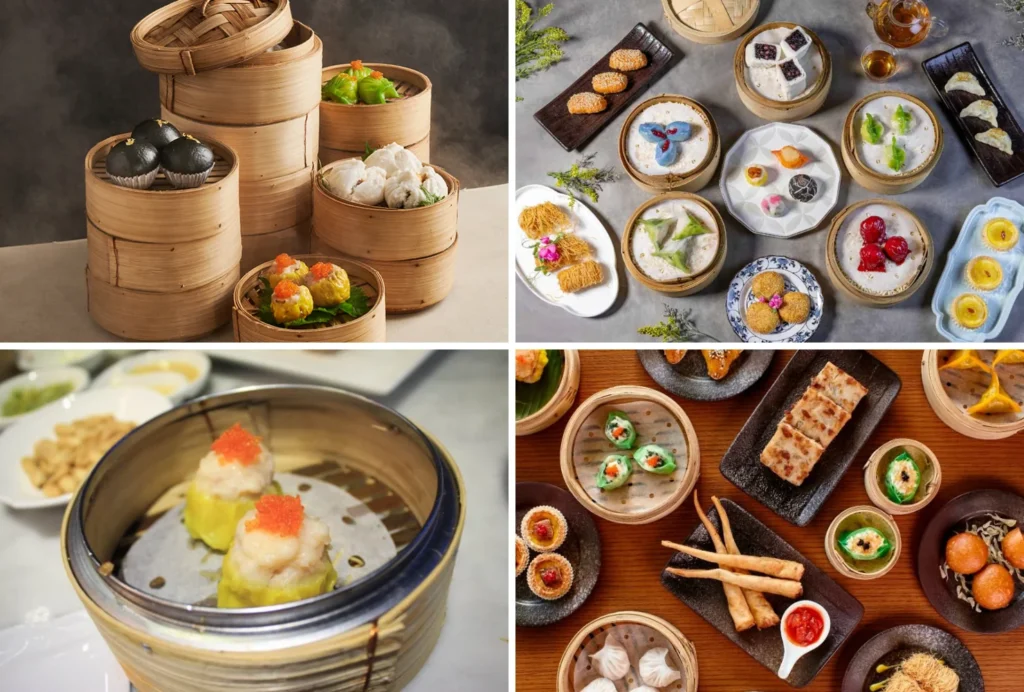
Nearest MRT Stations and Routes for Dim Sum in Jurong
One of the reasons dim sum is so popular in Jurong is how easy it is to reach from different parts of Singapore. The Jurong area is well served by major MRT lines, making most dim sum restaurants accessible by a short walk, bus ride, or quick transfer from nearby stations. Whether you are visiting a mall-based restaurant or a neighborhood eatery, public transport offers convenient access throughout Jurong East, Jurong West, Taman Jurong, and Jurong Point.
Jurong East MRT Station (NSL & EWL)
Jurong East MRT is the main transport hub for dim sum in Jurong. It is an interchange station on the North–South Line (NSL) and East–West Line (EWL), providing direct connectivity from central and western Singapore. Many popular dim sum restaurants are located within walking distance of Jurong East’s major malls, including JEM, Westgate, and IMM. From this station, diners can easily access sit-down dim sum restaurants, buffet options, and well-known brands, making it the most convenient stop for visitors exploring multiple eateries in one trip.
Boon Lay MRT Station (EWL) – Jurong Point Access
Boon Lay MRT Station, located on the East–West Line, is the closest station to Jurong Point, one of the largest shopping malls in the west. Dim sum restaurants at Jurong Point are typically just a short walk from the station via sheltered walkways. This area is ideal for diners looking for Hong Kong–style dim sum, mall-based dining comfort, and occasional buffet promotions. Boon Lay MRT also serves many residential areas in Jurong West, with nearby coffee shop dim sum stalls accessible by foot or a short bus ride.
Chinese Garden MRT Station (EWL)
Chinese Garden MRT Station, also on the East–West Line, provides access to dim sum spots around the Jurong Lake, Yuan Ching Road, and Taman Jurong areas. While fewer restaurants are within immediate walking distance, this station is useful when combined with local bus routes or short taxi rides. It is commonly used by diners visiting eateries near SuperBowl Jurong and nearby recreational zones.
Bus Connections and Neighborhood Access
Many dim sum stalls in Jurong West and Taman Jurong are located within residential estates rather than directly next to MRT stations. In these cases, feeder buses from Jurong East, Boon Lay, or Chinese Garden MRT stations provide efficient last-mile connectivity. Bus services in Jurong are frequent, and most stops are within a short walking distance of neighborhood coffee shops and eateries.
Best MRT Routes for Dim Sum in Jurong
- Jurong East MRT (NSL & EWL): Best for mall-based dim sum restaurants and buffet options
- Boon Lay MRT (EWL): Best for Jurong Point dim sum and Jurong West eateries
- Chinese Garden MRT (EWL): Useful for Taman Jurong and Jurong Lake area dim sum spots
With multiple MRT lines and reliable bus connections, getting to dim sum in Jurong is straightforward and convenient, whether you are visiting for a quick breakfast, a weekend family meal, or a planned dining outing.
Frequently Asked Questions
Where is the best dim sum in Jurong East?
Jurong East offers several reliable options near the MRT and major malls, including established brands and mall-based Chinese restaurants known for consistent quality.
Are there dim sum buffets near Jurong Point?
Yes, selected restaurants at Jurong Point occasionally offer dim sum buffet options, typically during lunch hours or promotional periods.
What are the opening hours for Kimly Dim Sum?
Kimly Dim Sum stalls generally operate from early morning until early afternoon, though hours may vary by location.
Is there halal dim sum available in Jurong?
Halal-friendly dim sum options exist in Jurong, often at Muslim-owned eateries. Diners should verify certification at individual outlets.
Which dim sum restaurants in Jurong offer vegetarian options?
Some restaurants provide vegetarian dim sum items such as vegetable dumplings and tofu-based dishes. Availability depends on the establishment.
Conclusion
Jurong has established itself as one of western Singapore’s most reliable destinations for dim sum, offering remarkable variety across price points, dining formats, and culinary styles. From traditional Hong Kong-style restaurants with pushcart service to modern mall eateries and neighborhood coffee shop stalls, the area caters to every preference and occasion. For anyone seeking quality dim sum without traveling to the city center, Jurong delivers consistent satisfaction across its many neighborhoods and dining establishments.