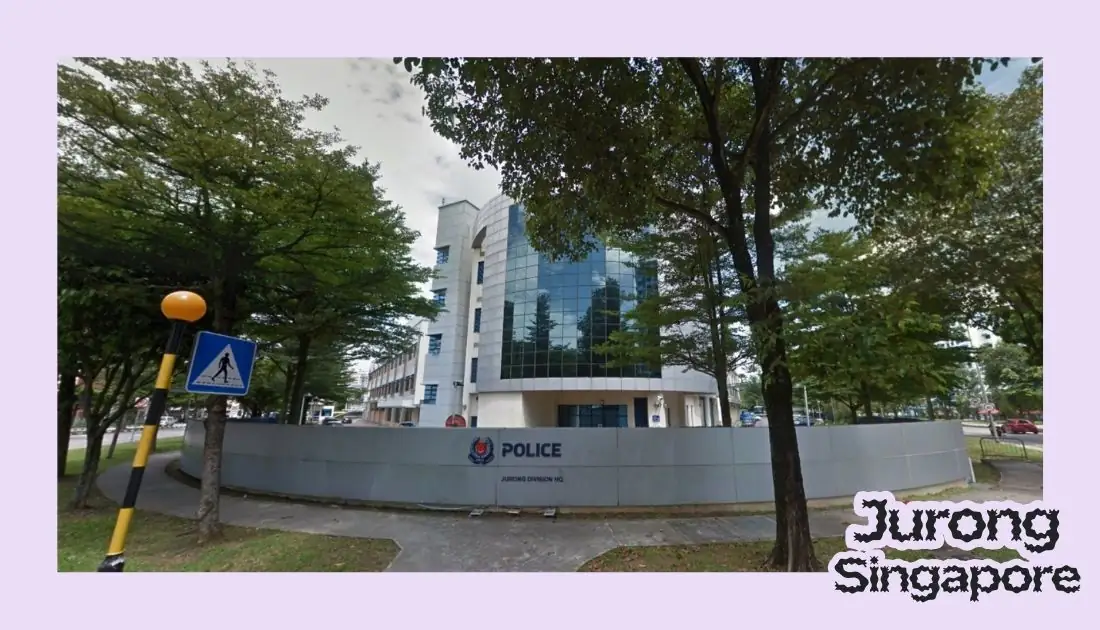
The Jurong Police Division Headquarters is one of Singapore’s key policing divisions responsible for maintaining law and order across the western region of the island. Located within close proximity to residential estates, business districts, and transportation hubs, the HQ plays a crucial role in day-to-day community safety, policing operations, emergency response, investigations, and crime prevention. As Singapore continues to expand its western districts through industrial, commercial, and residential development, the responsibilities of the Jurong Police Division HQ have grown in both scale and complexity.
The division also operates under the broader framework of the Singapore Police Force (SPF), aligning with national policies and regulations related to public safety, criminal law, community engagement, and enforcement. The HQ acts as both an administrative command center for divisional policing activities and a public-facing contact point for residents who require police assistance, advice, or reporting services. In addition, it supports cross-agency collaboration with community organizations, transport authorities, schools, and local government units to enhance security and emergency preparedness. For residents in the western part of Singapore, the Jurong Police Division HQ represents a critical touchpoint for public protection and national security.
The Jurong Police Division HQ functions as the central command hub for policing operations within the Jurong Division. Its role includes coordinating frontline patrols, directing response officers, managing station units, conducting investigations, and implementing crime prevention initiatives. The division is responsible for overseeing multiple police establishments located across the western half of Singapore, including neighborhood police centers (NPCs) and neighborhood police posts (NPPs).
The HQ contributes to operational policing through resource planning, deployment, intelligence gathering, threat assessment, and public safety monitoring. It also supports post-incident investigation, case processing, interviewing of witnesses and suspects, and handling of public complaints. Beyond traditional enforcement work, the headquarters also plays an important educational and community role, raising awareness about scams, cybercrime, theft prevention, and youth safety through outreach programs.
In periods of heightened activity, such as national events, public gatherings, major holidays, or high-traffic periods, the HQ helps coordinate regional law enforcement to ensure the smooth management of public order. In this way, the Jurong Police Division HQ forms a critical backbone for maintaining security, preventing crime, and enhancing the sense of safety for residents and businesses operating within the region.
Responsibilities
The responsibilities of the Jurong Police Division HQ extend beyond emergency response and law enforcement. Its mandate includes operational policing, crime investigation, public education, administrative policing, and inter-agency coordination. Officers under the division handle a wide spectrum of cases including robbery, theft, assault, scams, traffic offenses, juvenile cases, and neighborhood disputes. The division also manages specialized units that handle community engagement, crime prevention, road safety education, and operational readiness.
In addition to reactive policing, the HQ plays a preventive role. Officers frequently collaborate with schools, community centers, businesses, and residential associations to disseminate educational materials, encourage neighborhood vigilance, and strengthen community partnerships. The division also manages strategic priorities including cybercrime outreach, scam awareness campaigns, and youth engagement initiatives, which have grown increasingly important as Singapore tackles modern forms of crime.
The HQ further supports administrative policing services such as document verification, non-emergency reporting, police advisories, and lost-and-found processing. Digital reporting tools have also reduced the need for residents to visit police stations physically for minor matters, allowing the HQ to focus on serious or high-priority cases. Its broad responsibilities demonstrate how policing has evolved to include social partnership, education, and strategic intelligence beyond traditional physical enforcement.
Who Typically Interacts with the HQ
The Jurong Police Division HQ interacts with a wide range of individuals spanning multiple demographic and situational categories. These groups include citizens, permanent residents, expatriates, commuters, business operators, students, school administrators, and community leaders. Each group engages the HQ in different contexts depending on their needs.
Residents
Residents may visit the HQ for reporting crimes, filing complaints, obtaining police advice, resolving disputes, searching for lost items, or clarifying legal obligations. Residents also participate in community policing programs and informational briefings that enhance safety awareness and crime prevention within neighborhoods.
Commuters and workers
Commuters and workers in the Jurong district interact with the HQ when incidents occur near transportation hubs, commercial facilities, or workplaces. This can involve reports of pickpocketing, traffic accidents, workplace theft, harassment, or other disturbances. Businesses rely on police support for incident documentation, investigations, and security advice that may reduce future risks.
Students and educational sectors
Students and educational sectors interact with police for safety briefings, youth mentorship programs, road safety education, and talks on cybercrime or bullying. Schools frequently invite police to conduct preventive sessions, especially during periods of increased digital scam activity or as part of orientation and student safety campaigns.
Foreign nationals and expatriates
Foreign nationals and expatriates may interact with the HQ for non-emergency matters such as documentation inquiries, reporting incidents, or attending interviews related to cases involving employers or agencies. Meanwhile, community and civic leaders may engage the HQ during neighborhood events, grassroots meetings, or emergency preparedness exercises.
This diverse engagement highlights the HQ’s dual function as both a law enforcement command center and a public-facing service institution that reinforces safety, builds trust, and supports social cohesion across the western part of Singapore.
Types of Services and Public Assistance Provided
Public-facing services provided by the Jurong Police Division HQ may include:
Filing of police reports (both emergency and non-emergency)
Case-related interviews and follow-ups
Lost-and-found item inquiries
Verification of documents or statements
Crime prevention and public safety advisories
Community policing program support
Guidance on online reporting tools
Assistance for victims of crime
Directions for legal and procedural steps
Traffic incident inquiries and support
The division may also provide operational support for local community events requiring security coordination, crowd management, or risk assessment. Individuals seeking assistance can inquire about appropriate channels or referral pathways if their matter falls outside police jurisdiction, including issues related to social services, regulatory agencies, or municipal authorities.
Increasingly, minor reports and administrative matters can be handled through online portals, phone services, or digital kiosks, reducing the burden on physical police facilities and improving convenience for citizens. This hybrid model reflects Singapore’s broader push toward digital governance and streamlined public service delivery.
General Inquiries and Emergency Contact
For emergency situations, residents should contact the police via the national emergency hotline, which activates immediate response resources for urgent threats to safety, life, or property. Emergencies may include ongoing crimes, violence, traffic accidents with casualties, or situations requiring rapid police deployment.
For non-emergency matters, several channels exist for general inquiry, case follow-up, information requests, or reporting that does not require immediate intervention. These channels may include non-emergency phone lines, online forms, self-reporting portals, or in-person visits. Digital tools allow individuals to file reports relating to lost items, minor disputes, commercial scams, or property damage without visiting the HQ physically.
Members of the public may also seek police guidance for situations they are unsure how to classify, such as suspicious activity, noise disturbances, or safety concerns. Police staff may provide advice, redirect individuals to appropriate government agencies, or provide procedural information on formal complaint pathways. This flexible communications structure ensures that residents have multiple avenues to seek help depending on urgency and nature of their concern.
Nearby Facilities
The area surrounding the Jurong Police Division HQ includes commercial outlets, residential blocks, small retail clusters, and public amenities. Visitors will find access to food centers, convenience stores, bus stops, and basic services such as banking or retail within short walking distance. Educational institutions and community facilities may also be present in the broader neighborhood.
Hostels & Accommodation Near the HQ
Short-term accommodation options near the Jurong Police Division HQ may include hostels, budget hotels, serviced residences, and rental rooms catering to students, foreign workers, business travelers, and tourists. These accommodations benefit from accessibility to major transportation nodes, educational campuses, and industrial districts, making them suitable for transient or short-stay guests. Depending on availability, hostel accommodations may offer shared rooms, private units, or multi-occupancy spaces that are budget-friendly. For longer stays, serviced residences may provide kitchen facilities, laundry services, and additional amenities that appeal to overseas visitors or working professionals staying temporarily in the west.
Food, Convenience Stores & Amenities
Visitors to the HQ can access a variety of eateries and convenience outlets located within the surrounding commercial zone. Food options may include coffee shops, fast food, hawker centers, small restaurants, or takeaway stalls that operate throughout the day. Convenience stores and small retail outlets provide everyday necessities such as drinks, snacks, stationery, phone cards, and hygiene products. Banking ATMs, clinics, bus stops, and community facilities further contribute to the area’s accessibility and practicality for visitors who may have waiting periods or appointments at the HQ. These amenities help create a supportive environment for both police operations and community engagement.
Neighbourhood Police Centres
The Jurong Division of the Singapore Police Force oversees a comprehensive network of establishments strategically located across the western region of Singapore to ensure public safety and effective law enforcement. At the heart of the division is the Jurong Division Headquarters, which coordinates operations and supports the various neighbourhood police centres and posts. Key centres under its jurisdiction include the Bukit Batok Neighbourhood Police Centre, Bukit Panjang Neighbourhood Police Centre, Choa Chu Kang Neighbourhood Police Centre, Jurong West Neighbourhood Police Centre, and Nanyang Neighbourhood Police Centre.
These centres act as primary hubs for policing activities, providing residents with access to law enforcement services, crime prevention initiatives, and community engagement programs. Complementing these centres are smaller neighbourhood police posts, such as the Bukit Batok, Hong Kah North, Bukit Panjang South, Choa Chu Kang, Boon Lay, Jurong, and Nanyang Extended Police Posts, which offer localized support and maintain close ties with their respective communities. Together, these establishments ensure a balanced presence across both residential and commercial areas, allowing for rapid response to incidents, efficient handling of public concerns, and proactive policing efforts. This structured network strengthens community safety while fostering trust and collaboration between officers and the public.
Transport Options
Reaching the Jurong Police Division HQ is generally convenient due to its proximity to major transport routes in the western region. Public transport remains the most efficient travel method for visitors without private vehicles. Several bus services operate in the surrounding area, connecting residential estates, MRT stations, commercial zones, and educational facilities to the HQ.
Public Bus Access
Bus routes to the HQ generally run along major roads, with stops conveniently located within walking distance of the building. These routes cater to commuters traveling from areas such as Jurong East, Clementi, Bukit Batok, and nearby residential estates, providing a reliable public transport option for daily travel. Most bus stops are equipped with shelters, offering protection from rain or intense sun, which enhances comfort and accessibility for passengers. The availability of frequent and well-connected bus services makes commuting to the HQ convenient for both employees and visitors, supporting easy access while encouraging the use of public transportation over private vehicles.
MRT Access & Walking Directions
The nearest MRT stations are located along major lines serving the Jurong region. After alighting, visitors usually walk via linked sidewalks, pedestrian paths, or overhead bridges to reach the HQ. Travel time may vary based on station exit points and pedestrian infrastructure.
Driving & Parking Considerations
Visitors traveling by car may access the HQ through adjoining arterial roads. Short-term parking may be available either within the HQ compound (subject to restrictions) or in nearby public parking facilities, depending on operational rules and visitor categories. During peak hours, public transport is recommended to avoid congestion and limited parking availability.
Frequently Asked Questions
1. Can the public file police reports at the HQ?
Yes, reports can be filed for eligible matters, though many can now be submitted online.
2. Does the HQ handle emergency walk-ins?
Emergency cases should be handled via hotline to activate immediate response.
3. Do foreign nationals need appointments for assistance?
Appointments are not always required; it depends on the matter and documentation.
4. Can lost items be retrieved through the HQ?
Lost-and-found services may be available depending on the case and reporting channels.
5. Are community safety events conducted by the division?
Yes, the division often participates in outreach programs focused on safety and crime prevention.
Conclusion
The Jurong Police Division HQ plays a foundational role in maintaining safety, order, and security across one of Singapore’s largest and fastest-developing regions. As both an operational command hub and a public service facility, the HQ supports community trust, policing efficiency, and strategic preparedness. Through its interactions with residents, commuters, students, businesses, and foreign nationals, the HQ reinforces Singapore’s broader community policing philosophy and maintains the nation’s reputation for safety and low crime.
With expanding residential projects, commercial clusters, and transportation infrastructure in the western region, the responsibilities of the Jurong Police Division HQ continue to evolve. By offering multiple channels for reporting, inquiries, and preventive programs, the HQ ensures that law enforcement remains both responsive and accessible. Whether seeking assistance for administrative police matters, reporting incidents, or participating in neighborhood safety initiatives, the public benefits from a well-coordinated policing presence that is integrated into the daily life of the Jurong community.