

Jurong Logistics Hub | Industrial Area, Companies & Access
Jurong Logistics Hub stands as one of Singapore’s most strategically important logistics and warehousing clusters, serving as a central point for cargo consolidation, distribution, and supply chain management. Located in Singapore’s western industrial corridor, the hub functions as a critical nexus between Jurong Port, Tuas industrial area, and broader regional supply chains. This comprehensive guide covers everything logistics operators, warehouse tenants, delivery drivers, freight forwarders, and procurement managers need to know about the hub. From detailed facility information and company directories to parking logistics, food amenities, and current warehouse events, this guide provides essential insights for anyone involved in or visiting Jurong Logistics Hub. Whether you’re seeking storage solutions, freight consolidation services, or simply navigating the facilities, you’ll find practical information to streamline your logistics operations.
What Is Jurong Logistics Hub and Why It's Important?
Table of Contents
Toggle
Background and Development
Jurong Logistics Hub developed organically within Singapore’s western industrial corridor, strategically positioned to leverage the region’s port and petrochemical infrastructure. The hub evolved from Jurong Town Corporation (JTC) industrial planning initiatives, which recognized the strategic value of clustering logistics facilities near port operations and major transport arteries. Over the past two decades, the hub has transformed from scattered warehouses into an integrated multi-tenant logistics ecosystem.
This planned development followed Singapore’s broader vision of creating efficient industrial clusters where businesses benefit from shared infrastructure, proximity to transportation networks, and access to port facilities. The hub’s growth reflects Singapore’s commitment to maintaining its position as a global logistics hub, with facilities designed to handle modern supply chain demands including cold chain, e-commerce fulfillment, and just-in-time delivery operations.
Role in Singapore's Logistics Ecosystem
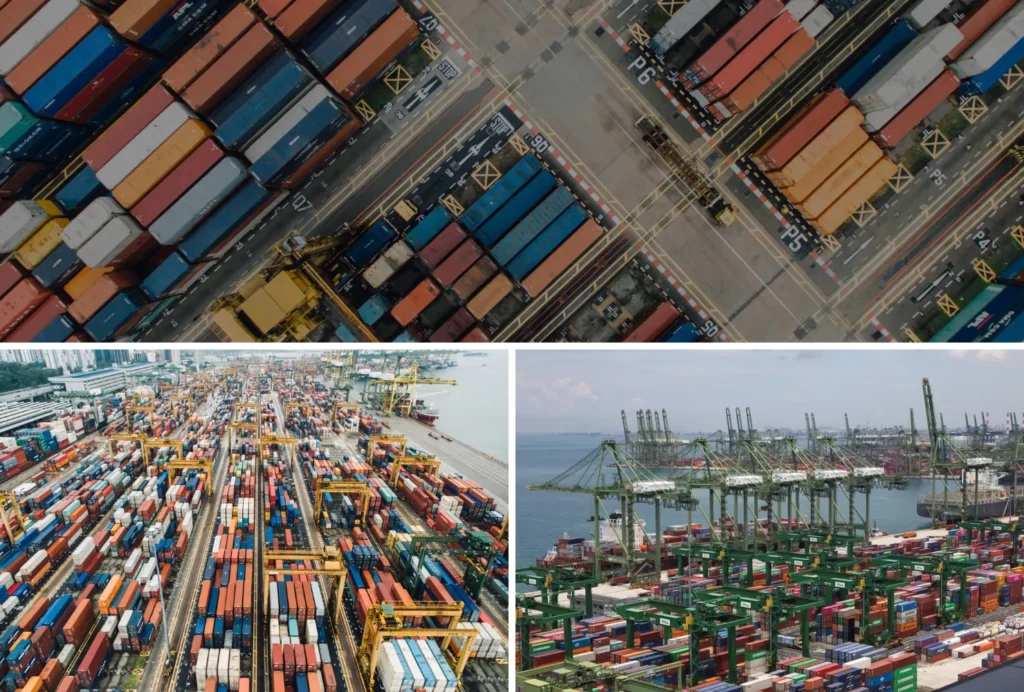
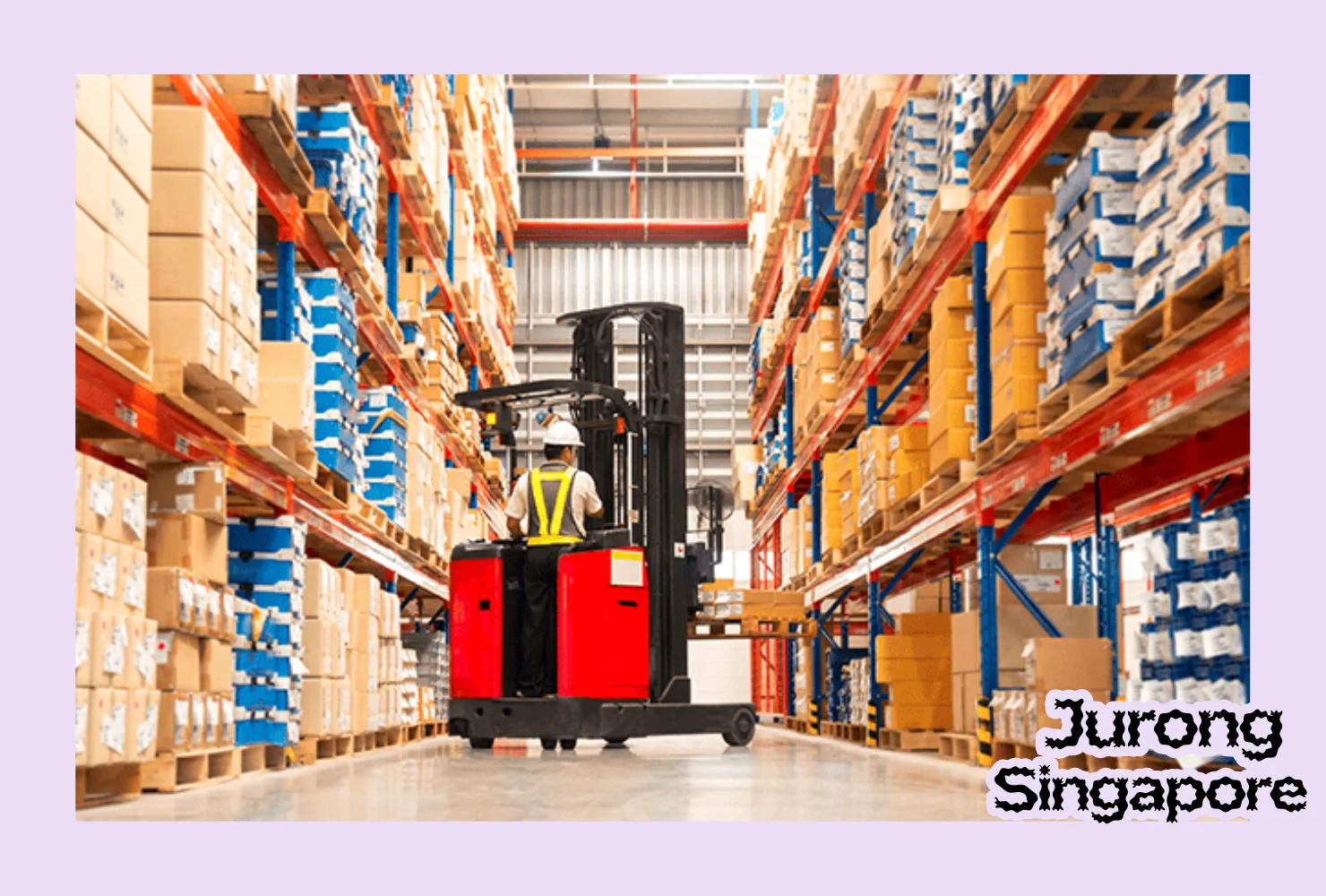
Jurong Logistics Hub performs multiple critical functions within Singapore’s broader logistics network. Storage and bonded warehousing services allow companies to hold goods while managing customs clearance and trade documentation. Freight forwarding and cargo consolidation operations enable businesses to combine partial shipments into full container loads, reducing per-unit transportation costs. Distribution operations from the hub reach both local retail networks and export channels, making it a crucial link between ports and final delivery points.
The hub’s integration with Jurong Port and Jurong Island logistics operations creates a seamless flow of goods, where cargo can move from ship to warehouse to truck with minimal delays. This interconnected network reduces time in supply chains, improves inventory turnover, and enhances Singapore’s competitive advantage in global trade. Logistics companies operating from the hub benefit from this ecosystem, as clients can access multiple services from different providers within a single location.
Strategic and Economic Significance
The strategic importance of Jurong Logistics Hub extends beyond individual company operations to national economic resilience. The hub supports Singapore’s supply chain resilience by providing redundancy and flexibility when global trade routes face disruptions. Its port-adjacent location enhances logistics efficiency by eliminating the need for long inland transportation, reducing costs and environmental impact. The clustering effect at the hub creates network benefits where logistics companies achieve economies of scale through shared transportation networks, consolidated services, and reduced operational costs.
When multiple freight forwarders operate nearby, they can coordinate shipments, share truck routes, and reduce empty backhauls. This economic efficiency translates into competitive pricing for clients and higher employment for the region. The hub also attracts regional and international logistics providers, reinforcing Singapore’s role as Southeast Asia’s logistics hub and maintaining the city-state’s attractiveness to multinational companies seeking efficient supply chain solutions.
Location, Access, and Directions
The primary address for Jurong Logistics Hub is 31 Jurong Port Road, Singapore 628292. This multi-storey warehouse complex features numerous individual units organized by floor level and unit number, including popular units 02-25, 02-26, and 03-25. The building structure combines modern logistics infrastructure with practical operational design, featuring multiple loading bays, container access points, and dedicated security checkpoints. Each unit operates as an independent warehouse facility, though they share common infrastructure including elevators, security systems, and vehicle access routes.
The complex accommodates various cargo types and storage requirements, from dry goods storage to temperature-controlled environments. Nearby industrial addresses include facilities along Buroh Lane, Jurong Pier Road, and Penjuru Lane, creating a broader industrial cluster that complements the main hub. The layout features multi-storey warehouses with dock-level access for efficient loading and unloading operations, ample trailer parking areas, and organized traffic flow systems designed to manage the high volume of heavy vehicles typical of logistics hubs.
How to Get There
From Jurong East, accessing Jurong Logistics Hub involves a straightforward drive via the Ayer Rajah Expressway (AYE) or Jalan Buroh, typically requiring 10-15 minutes depending on traffic conditions. Private hire vehicles and taxis are available from Jurong East MRT Station and residential areas, though most logistics operations rely on company vehicles. For those using public transport, the nearest MRT stations are Jurong East (EW24) on the East-West Line and Boon Lay (EW27), both approximately 10-15 minutes from the hub by bus. Bus services 27, 51, 154, and 178 provide direct connections to the industrial area.
Walking from MRT stations is feasible for able-bodied visitors, though the distance and industrial surroundings mean most people prefer motorized transport. For delivery and heavy vehicle access, container trucks typically approach via dedicated industrial routes, and all vehicles must clear security checkpoints at the hub entrance. Height restrictions apply to some access routes, so heavy vehicle operators should confirm clearance requirements before arrival. Security clearance procedures are standard for all vehicles, with visitor registration available at guardhouses located at main entrance points.
Companies and Directory at Jurong Logistics Hub

Major Companies in Jurong Logistics Hub
Jurong Logistics Hub hosts a diverse portfolio of logistics operators spanning multiple service categories. Warehousing and storage operators maintain facilities specializing in cold chain logistics for pharmaceutical and food products, dry storage for general merchandise, and e-commerce fulfillment centers designed for rapid order picking and packing. Freight forwarding companies and third-party logistics (3PL) providers offer import-export services, customs clearance support, and integrated supply chain solutions. Notable facilities include Cogent Jurong Island Logistics Hub, which specializes in petrochemical logistics and bonded storage, and Mapletree Jurong Logistics Hub, offering modern automated warehousing and distribution services.
Other operators include established regional freight forwarders, air cargo handlers supporting nearby airport operations, and specialized service providers in contract logistics and supply chain management. The benefits of this clustering are substantial: companies operating at the hub access shared transport networks that improve service efficiency, negotiate volume discounts on fuel and vehicle maintenance, reduce operational costs through infrastructure sharing, and benefit from port proximity that eliminates expensive inland transportation. Clients can consolidate shipments from multiple providers within the hub, simplifying their logistics coordination.
Jurong Logistics Hub Directory Overview
Companies within Jurong Logistics Hub are organized by building and unit number, with service categories including warehousing, freight forwarding, 3PL services, customs brokerage, and specialized logistics support. Corporate offices for major operators are typically located within their respective units, with dedicated customer service teams available during business hours. Tenant leasing information and facility inquiries can be directed to JTC, the hub’s primary managing authority, or to individual property management offices.
A comprehensive directory listing companies by unit number, contact information, and service specialization provides easy reference for logistics professionals seeking specific services. This directory is regularly updated as companies relocate, expand, or conclude operations, so checking directly with individual operators ensures current information. The organized structure by building and unit makes the hub navigable for first-time visitors, though checking addresses in advance prevents confusion given the industrial layout.
Food and Amenities at Jurong Logistics Hub
Food Courts and Dining Options
The Jurong Logistics Hub food court, conveniently located within the main complex, provides essential dining facilities for workers and visitors. Operating during standard business hours with extended lunch periods, the food court features multiple stall types offering diverse cuisine options including Asian, Western, and vegetarian choices. Popular lunch times occur between 11:30 AM and 1:30 PM, when the food court experiences peak congestion as warehouse staff take breaks.
Pricing is affordable, with meals typically ranging from 5 to 10 SGD per person, making it economical for regular users. Beyond the main food court, several nearby coffee shops and industrial canteens within walking distance offer additional dining options and convenience store services. These nearby eateries provide alternatives during peak lunch times and cater to different preferences and dietary requirements. Convenience stores within the hub stock beverages, snacks, and quick meal options for those needing to eat quickly between work shifts.
Parking and Accessibility
Parking at Jurong Logistics Hub accommodates all vehicle types typical of logistics operations. Surface parking areas provide convenient access for casual visitors and short-term parking needs. Multi-storey car parks serve employees and regular facility users with monthly parking schemes offering cost savings compared to daily rates. Heavy vehicle zones accommodate container trucks, trailers, and other large vehicles essential for cargo operations, with designated truck parking areas separated from light vehicle zones for safety and operational efficiency.
Visitor parking areas near main entrances provide accessible spaces for those conducting brief business within the hub. Loading and unloading areas feature dock-level bays designed for efficient cargo transfer, with container staging areas for temporary holding during consolidation operations. Scheduling procedures for dock access help manage the high volume of vehicles accessing the hub simultaneously, reducing congestion and improving operational flow. Security-controlled entry points monitor all vehicle movements, maintaining safety and preventing unauthorized access. Pedestrian routes connect different sections of the hub, though walking between distant units may require 10-15 minutes, and most people rely on vehicles for movement within the facility.
Events and Activities at Jurong Logistics Hub
Warehouse Sales and Seasonal Events
The most notable recurring event at 31 Jurong Port Road is the annual Santa’s Warehouse Sale, held typically in December, which attracts thousands of shoppers seeking steep discounts on merchandise. This seasonal event transforms the warehouse into a shopping destination, offering everything from apparel to household goods at clearance prices. Beyond Santa’s Warehouse Sale, the hub hosts various corporate clearance events throughout the year as tenants liquidate excess inventory, overstocked merchandise, or seasonal stock.
Pop-up sales and flash clearance events occur sporadically, announced through social media and local business networks. These events not only provide savings opportunities for consumers but also help logistics companies manage inventory efficiently and free up valuable warehouse space for paying clients.
Corporate and Industrial Activities
Beyond retail events, Jurong Logistics Hub hosts various professional activities that strengthen the logistics community. Logistics industry networking events bring together operators, shippers, freight forwarders, and technology providers to discuss industry trends, build partnerships, and explore collaboration opportunities. Trade operations and industrial exhibitions showcase logistics technology, warehouse automation solutions, and supply chain innovations.
These professional gatherings position the hub not just as a functional logistics facility but as a knowledge hub where industry professionals exchange ideas and advance logistics practices. Some events are open to the general logistics community, while others are restricted to industry professionals or JTC members, so checking event schedules and registering in advance is advisable for those interested in participating.
Safety, Security, and Operational Guidelines
Site Security Measures
Jurong Logistics Hub maintains comprehensive security protocols protecting the facility and its users. Guardhouses at main entrance points staff trained security personnel who monitor all vehicles and personnel entering and exiting the facility. Vehicle inspections may occur at checkpoints, ensuring only authorized vehicles access the hub and checking for safety compliance.
Pass systems require all regular visitors and contractors to obtain visitor passes or use corporate access credentials, creating a controlled environment that prevents unauthorized access. Security cameras monitor parking areas, loading bays, and common spaces, providing recorded evidence for incident investigation if needed. These measures balance security requirements with operational efficiency, ensuring that legitimate logistics activities proceed smoothly while preventing theft, trespassing, or dangerous activities.
Operational Hours
Warehouse operating hours typically extend from 7:00 AM to 6:00 PM on weekdays, with reduced weekend operations from 8:00 AM to 2:00 PM. However, individual units may maintain different schedules based on their operational requirements and client demands, so verifying specific hours with your facility or service provider is essential.
Heavy vehicle access timing is coordinated to minimize traffic congestion in surrounding areas, with peak truck movements occurring during mid-morning and early afternoon hours. Emergency access is available outside normal hours for critical operations, though advance arrangements must be made through facility management. Some operators maintain 24/7 operations for time-sensitive cargo handling, particularly for perishables or pharmaceuticals requiring continuous temperature monitoring.
Safety Compliance
All facility users must comply with personal protective equipment (PPE) requirements, which typically include safety shoes, high-visibility vests, and helmets in areas with overhead operations or vehicle movement. Traffic safety is critical in the hub’s high-vehicle-volume environment, with users expected to follow speed limits, yield to larger vehicles, and remain aware of surroundings.
Industrial regulations govern the handling of hazardous materials, proper stacking of goods to prevent collapse, and correct use of lifting equipment. Facility management provides orientation for new users explaining safety procedures, emergency exits, and incident reporting. Regular safety audits ensure continued compliance, and all facility users have a responsibility to report unsafe conditions or near-miss incidents to management immediately.
Comparison with Other Jurong Industrial Hubs
Jurong Logistics Hub vs Jurong Island Logistics Facilities
While both serve logistics functions, Jurong Logistics Hub and Jurong Island logistics facilities serve different market segments. Jurong Island facilities specialize in petrochemical logistics, handling bulk storage of chemicals, gases, and petroleum products with specialized equipment and expertise. Jurong Logistics Hub handles more diversified cargo including general merchandise, perishables, and e-commerce shipments.
Jurong Island operations require specialized regulatory certifications and technical expertise due to hazardous material handling, while Jurong Logistics Hub welcomes a broader range of operators. Jurong Island facilities are typically larger and more capital-intensive, while Jurong Logistics Hub offers more flexible unit sizes for small and medium enterprises. Companies operating in both locations often use them as complementary facilities, with general cargo flowing through Jurong Logistics Hub and chemical products through Jurong Island specialized facilities.
Jurong Logistics Hub vs Tuas Industrial Area

Tuas Industrial Area, located further west, represents Singapore’s newest industrial development with state-of-the-art facilities and modern infrastructure. Tuas attracts companies seeking the latest automated warehousing technologies and facilities designed from scratch for contemporary logistics operations. Jurong Logistics Hub offers more established networks, existing customer relationships, and lower rental rates reflecting its matured infrastructure. Tuas facilities typically feature higher capital costs reflecting newer construction, while Jurong Logistics Hub provides cost-effective solutions for price-sensitive operators. Both areas serve complementary roles in Singapore’s logistics ecosystem, with some companies operating in both locations depending on their service requirements and customer base.
Strategic Advantages of Jurong Port Road Location
The Jurong Port Road location offers distinct strategic advantages that maintain its competitiveness despite newer alternatives. Proximity to Jurong Port provides unmatched convenience for maritime cargo operations, with container trucks traveling just minutes from ship to warehouse. The established industrial ecosystem means abundant ancillary services including maintenance, repairs, and specialized equipment rental are readily available.
Existing logistics networks and long-term business relationships create switching costs that keep established tenants committed to the hub. The central location relative to Singapore’s road network means distribution to retail and industrial customers throughout the island is efficient. Lower rental rates compared to newer facilities attract cost-conscious operators, particularly small and medium enterprises. The combination of these factors maintains Jurong Logistics Hub’s relevance and competitiveness in Singapore’s dynamic logistics market.
FAQs
What is Jurong Logistics Hub?
Jurong Logistics Hub is a major logistics and warehousing cluster in Singapore's western industrial corridor, featuring multiple facilities specializing in storage, freight forwarding, cargo consolidation, and supply chain management services.
Where is Jurong Logistics Hub located?
The main address is 31 Jurong Port Road, Singapore 628292. The hub is situated near Jurong Port and Jurong Island, with accessible locations along Buroh Lane, Jurong Pier Road, and Penjuru Lane.
How do I access units at 31 Jurong Port Road?
Access is via Jalan Buroh or Ayer Rajah Expressway from Jurong East, approximately 10-15 minutes drive. Visitors must register at security checkpoints and obtain visitor passes. Public transport options include MRT to Jurong East or Boon Lay followed by bus transfer.
Are there food courts inside the hub?
Yes, the Jurong Logistics Hub food court offers diverse dining options with meals typically priced between 5-10 SGD. Additional coffee shops and convenience stores are located within walking distance.
What companies operate here?
The hub hosts diverse logistics operators including cold chain specialists, dry storage providers, 3PL companies, freight forwarders, and e-commerce fulfillment centers. Notable operators include Cogent and Mapletree logistics facilities.
How far is Jurong East MRT from the hub?
Jurong East MRT Station is approximately 10-15 minutes from the hub by bus. From the station, buses 51, 154, and 178 provide direct connections to the industrial area.
Are warehouse sales held at 31 Jurong Port Road?
Yes, the annual Santa's Warehouse Sale is held in December, and various corporate clearance sales and pop-up events occur throughout the year at the facility.
Conclusion
Jurong Logistics Hub represents a critical node in Singapore’s logistics infrastructure, providing essential warehousing, freight forwarding, and supply chain services to businesses throughout the region and beyond. Whether you’re a logistics operator seeking warehouse space, a shipper looking for freight consolidation services, or a delivery driver accessing the facility, understanding the hub’s layout, available services, and operational procedures is essential for efficient operations.
The combination of strategic location, modern facilities, established service providers, diverse amenities, and competitive pricing makes Jurong Logistics Hub an attractive choice for logistics operations of all sizes. As Singapore continues its evolution as a global logistics hub, facilities like Jurong Logistics Hub will remain central to supporting efficient, cost-effective supply chains that connect producers and consumers across Southeast Asia and beyond. For current information on facility availability, company contact details, and upcoming events, we recommend checking with individual operators or contacting JTC for official updates.