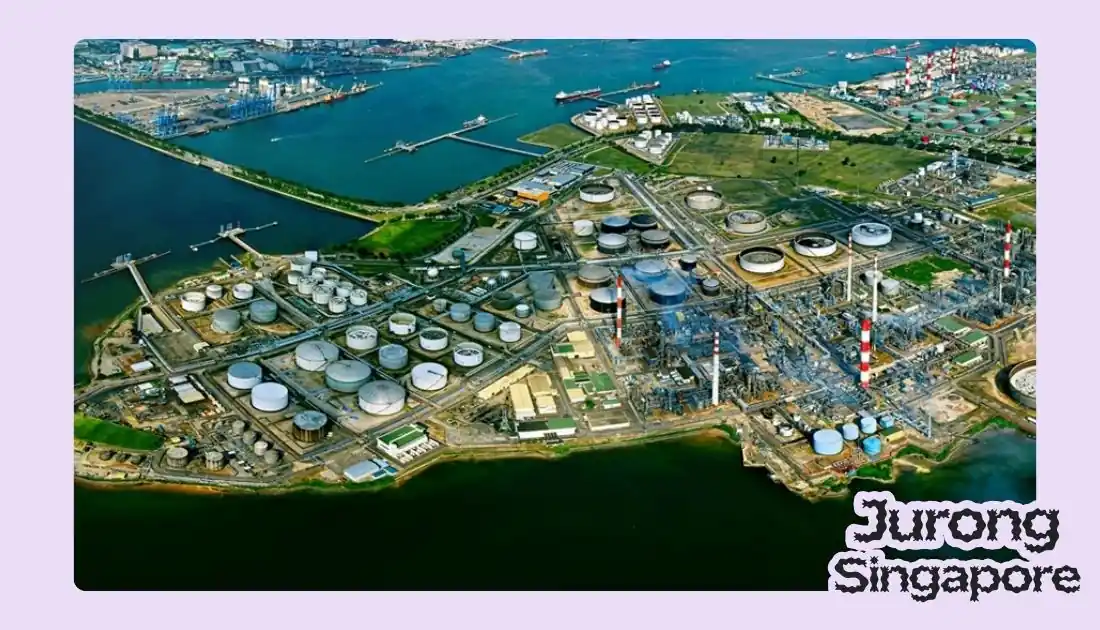
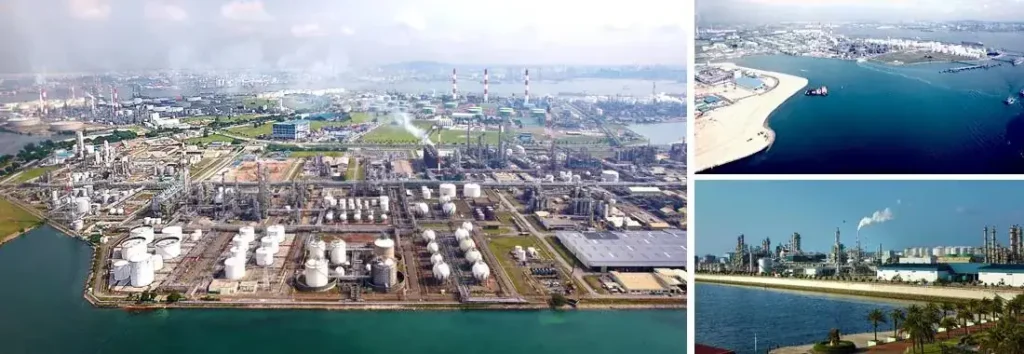
Jurong Island is Singapore’s purpose-built energy and chemicals hub, formed by linking several small offshore islets into one highly integrated industrial estate. Located to the southwest of the main island, it is home to refineries, petrochemical crackers, specialty chemical plants, storage terminals, and utilities that operate in close proximity for maximum efficiency. The island is tightly secured and access-controlled, reflecting the strategic and hazardous nature of its operations. Designed around the concept of shared infrastructure and pipeline interconnectivity, Jurong Island enables companies to exchange feedstocks and by-products, reducing waste and costs while improving productivity.
Over time, it has evolved into a global benchmark for industrial clustering, attracting multinational corporations and supporting thousands of skilled jobs. Beyond production, the island hosts research, logistics, and support services that sustain round-the-clock operations in a tropical maritime environment. Jurong Island’s development demonstrates Singapore’s long-term planning, engineering capability, and commitment to being a reliable energy and chemicals hub in Asia.
Jurong Island did not exist in its current form before the 1990s. Originally, the area consisted of seven small islands, including Pulau Ayer Chawan, Pulau Merlimau, Pulau Pesek, and Pulau Sakra. Recognizing the need for a dedicated petrochemical zone, the Singapore government initiated a massive land reclamation project to merge these islets into a single industrial platform. The project involved dredging, sand filling, coastal engineering, and the construction of seawalls to stabilize reclaimed land against tides and ship traffic.
By the early 2000s, the islands were physically connected and equipped with deep-water berths, roads, pipelines, and utility corridors. The reclamation was carefully planned to accommodate heavy industrial loads and future expansion. This transformation from scattered mangrove islands into a high-capacity industrial estate reflects one of Singapore’s most ambitious engineering achievements. The reclaimed terrain now supports complex plants, tank farms, and transportation networks essential for large-scale chemical and energy production.
Role in Petrochemical & Energy Sectors
Jurong Island plays a central role in Singapore’s petrochemical and energy value chain. It houses major oil refineries, naphtha crackers, aromatics plants, polymer units, and specialty chemical facilities that convert crude oil and gas into high-value products. Companies benefit from shared feedstock pipelines, allowing seamless transfer of materials between plants without reliance on road transport. This integration reduces operational costs, improves safety, and enhances supply reliability. The island also supports liquefied natural gas (LNG) handling, storage terminals, and energy generation plants that power industrial processes.
By concentrating these facilities in one secured zone, Singapore maximizes land use and operational synergy. Products manufactured here, such as plastics, solvents, fuels, lubricants, and industrial chemicals, are exported globally. Jurong Island’s ecosystem enables continuous innovation in process efficiency, emissions management, and advanced materials. Its infrastructure and clustering model make it a preferred base for multinational energy and chemical corporations serving Asia-Pacific markets.
National and Regional Economic Importance
Jurong Island is a cornerstone of Singapore’s manufacturing economy and a key contributor to national GDP. The energy and chemicals sector accounts for a significant share of the country’s industrial output, exports, and skilled employment. By hosting global firms and integrated supply chains, the island strengthens Singapore’s position as a trusted production and distribution hub in Southeast Asia. It attracts foreign investment, research partnerships, and high-value engineering roles that sustain economic resilience. Regionally, Jurong Island supplies essential raw materials and fuels to neighboring countries, supporting industries ranging from packaging to transportation.
Its reliability, regulatory standards, and logistics connectivity enhance Singapore’s reputation for operational excellence. The island also drives demand for maritime services, storage, maintenance, and professional support industries on the mainland. As energy markets evolve toward sustainability, Jurong Island’s facilities are adapting to cleaner fuels and advanced materials, ensuring continued relevance in the regional economy.
Long-Term Pass & Work Pass Access
Access to Jurong Island is strictly regulated through a pass system.
Workers must hold a valid Jurong Island Security Pass in addition to their national work permit or employment pass.
Applications are sponsored by the employing company or contractor.
Security screening is mandatory before approval.
Passes are issued for long-term employees and frequent contractors.
Short-term visitors require special temporary clearance.
Pass holders must comply with all safety and security regulations while on the island.
Contractors, Employees, Vendors
Jurong Island operates through a large ecosystem of contractors, employees, and vendors who support daily industrial activities. Plant operators, engineers, technicians, and safety personnel form the core workforce managing production facilities. Alongside them, specialized contractors handle maintenance, inspections, scaffolding, electrical works, and shutdown projects. Vendors supply chemicals, equipment, spare parts, and technical services essential for uninterrupted operations. Logistics providers manage tanker movements, storage, and material handling within designated safety frameworks.
All personnel entering the island must undergo safety induction and security clearance before beginning work. Companies rely on certified contractors familiar with hazardous environments and strict compliance standards. Coordination between multiple stakeholders is crucial, especially during plant turnarounds or emergency maintenance. Vendors and service providers must adhere to the island’s operational protocols, including personal protective equipment and transport rules. This network of professionals ensures reliability, safety, and efficiency across Jurong Island’s industrial landscape.
Validity & Renewal Concept
Jurong Island passes are issued with defined validity periods linked to employment status and project duration. Long-term employees typically receive passes valid for several years, subject to continued employment and compliance. Contractors and project workers are granted passes aligned with contract timelines. Renewal requires verification from the sponsoring company, updated documentation, and confirmation of ongoing work needs.
Security records and safety compliance history are also reviewed during renewal. If employment ends or project work is completed, the pass must be surrendered. Regular audits ensure that only authorized individuals retain access. This structured validity and renewal process helps maintain tight control over island access while allowing operational flexibility for companies managing changing workforce requirements.
Security Clearance Expectations
Security is a top priority on Jurong Island due to the sensitive and hazardous nature of operations. Clearance involves multiple checks and strict behavioral expectations:
Background verification before pass approval
Mandatory safety induction and security briefing
Prohibition of unauthorized photography or recording
Random bag and vehicle inspections at checkpoints
Strict adherence to designated routes and zones
Immediate reporting of suspicious activities
Compliance with personal protective equipment rules
Escort requirements for visitors without long-term passes
Failure to comply with security protocols can result in pass revocation and penalties. Companies are responsible for ensuring their staff understand and follow all regulations. These measures protect critical infrastructure, workers, and the surrounding environment.
Infrastructure
Jurong Island’s infrastructure is purpose-built for heavy industry and continuous operations. The road network supports heavy vehicles transporting equipment and materials between plants. Extensive pipeline corridors allow direct transfer of feedstocks, steam, water, and gases across facilities. Deep-water jetties accommodate large tankers for importing crude oil and exporting refined products. Centralized utilities provide power, industrial gases, wastewater treatment, and fire protection systems. Storage tank farms are strategically located with spill containment measures.
The island also includes control centers, maintenance yards, laboratories, and administrative buildings. Drainage systems and coastal protections are engineered to withstand tides and heavy rainfall. Communication networks ensure constant monitoring of plant conditions and safety systems. This integrated infrastructure reduces duplication of facilities and enhances operational synergy. Designed for scalability, Jurong Island’s layout allows companies to expand while maintaining connectivity to shared resources and logistics channels.
Jurong Island Highway & Connectivity
Jurong Island is connected to mainland Singapore by the Jurong Island Highway, a secure causeway that serves as the only land access point. All vehicles and personnel pass through a central security checkpoint before entry. The highway links the island to major expressways, enabling efficient transport of goods and workers from industrial and residential areas. Dedicated lanes manage heavy vehicles, tankers, and staff buses to maintain traffic safety. Signage and route controls guide drivers to specific plant zones, minimizing congestion. Public access is restricted, and there is no casual traffic. This controlled connectivity ensures smooth logistics while maintaining the island’s high security standards and operational discipline.
Emergency & Safety Facilities
Given the nature of petrochemical operations, Jurong Island is equipped with robust emergency and safety facilities. Fire stations with specialized firefighting units are positioned strategically across the island. Emergency response teams are trained to handle chemical spills, fires, and industrial accidents. Medical response units and ambulances are on standby for rapid assistance. Plants maintain their own safety systems, including alarms, gas detectors, and shutdown mechanisms. Regular drills are conducted to prepare workers for emergency scenarios. Clearly marked assembly points and evacuation routes are present throughout the island. Coordination between companies and national emergency services ensures quick and effective incident management, minimizing risks to people and the environment.
Jurong Island Weather & Climate Conditions
Jurong Island experiences Singapore’s tropical rainforest climate—hot, humid, and wet throughout the year. Temperatures typically range between 24°C and 32°C with high humidity levels. Frequent rainfall, especially during monsoon seasons, can be intense but usually short-lived. Thunderstorms are common in the afternoons. Being a coastal and industrial zone, the island can feel warmer due to heat from equipment and paved surfaces. Workers must adapt to outdoor heat exposure and sudden rain showers. Weather awareness is important for safe movement, outdoor tasks, and transport operations across the island’s open industrial spaces.
General Climate Overview (tropical, industrial area)
The combination of tropical weather and heavy industry creates unique working conditions on Jurong Island. Heat radiating from processing units, storage tanks, and concrete surfaces adds to ambient temperatures. Humidity can make physical work more strenuous, requiring hydration and rest planning. Rainwater drainage systems are essential to prevent pooling near operational zones. Lightning risks during storms necessitate temporary suspension of certain outdoor tasks. Protective clothing must balance safety with ventilation to prevent heat stress. Companies factor climate conditions into shift planning, maintenance schedules, and safety briefings to ensure worker well-being and uninterrupted plant operations.
Impact of Weather on Travel and Work
Heavy rain can reduce visibility on roads and make surfaces slippery, affecting vehicle movement and pedestrian safety. Thunderstorms may delay outdoor maintenance, scaffolding, or lifting operations. High heat and humidity contribute to fatigue, especially for workers in protective gear. Transport schedules for materials and staff buses may adjust during severe weather. Companies often plan critical tasks during cooler hours of the day. Weather monitoring is integrated into daily operational planning to reduce disruptions and maintain safety standards across the island.
Safety Considerations During Heavy Rain or Heat
During heavy rain, workers are advised to use anti-slip footwear, rain protection, and exercise caution near drains and metal surfaces. Electrical work is postponed during thunderstorms to avoid lightning risks. In hot conditions, hydration breaks, shaded rest areas, and heat stress monitoring are emphasized. Supervisors watch for signs of exhaustion or dehydration among staff. Personal protective equipment is selected to balance safety and comfort. These precautions help prevent accidents and health issues while maintaining productivity in challenging tropical conditions.
Companies on Jurong Island
Jurong Island hosts many of the world’s leading energy and chemical companies. These include oil majors, petrochemical producers, specialty chemical manufacturers, and storage operators. Firms benefit from shared pipelines and utilities. The cluster supports integrated production chains. Companies collaborate on safety, logistics, and emergency planning. Research and innovation facilities are also present. This ecosystem attracts continuous global investment.
Jurong Island Companies List
Prominent companies on Jurong Island include Shell, ExxonMobil, Chevron Phillips, Lanxess, BASF, Mitsui Chemicals, Sumitomo Chemical, and Singapore Refining Company. Storage and terminal operators such as Vopak and Oiltanking manage large tank farms and jetties. Utility providers supply power, steam, and water treatment services to multiple plants. Engineering and maintenance firms support plant reliability and expansion projects. Many companies operate regional headquarters and research centers here, focusing on advanced materials and process optimization. The presence of these global players strengthens Jurong Island’s reputation as a premier chemicals and energy hub in Asia, fostering collaboration, innovation, and high operational standards.
Essential Services on Jurong Island
Jurong Island provides essential services to support continuous industrial activity. These include fire and emergency response units. Medical support and first aid facilities are available. Security checkpoints operate round the clock. Wastewater treatment and environmental monitoring systems are in place. Transport coordination supports worker and material movement. Canteens and rest areas serve on-site personnel. Utility services ensure uninterrupted plant operations.
Medical & Emergency Support
Medical and emergency support on Jurong Island is designed for rapid response. On-site medical posts provide first aid and initial assessment for injuries or health issues. Ambulances are available to transfer patients to mainland hospitals if needed. Fire stations are equipped to handle chemical and industrial fires with specialized equipment. Emergency drills and coordination protocols ensure swift action during incidents. Companies maintain trained first responders within their teams. This layered approach to medical and emergency readiness reduces response time and enhances worker safety.
Animal and Inspection Services (where applicable)
Inspection services on Jurong Island focus on safety, environmental compliance, and operational standards. Authorities conduct regular checks on storage tanks, pipelines, and waste management systems. Environmental monitoring ensures emissions and discharges meet regulatory limits. While animal services are limited due to the industrial setting, inspections may address wildlife control and biosecurity near coastal areas and storage zones. These inspections help maintain a safe, compliant, and environmentally responsible industrial environment across the island.
Frequently Asked Questions
Do I need permission to enter Jurong Island?
Yes. Jurong Island is a restricted industrial zone. Entry is allowed only to authorized personnel with a valid Jurong Island Security Pass, sponsored by an employer, contractor, or host company. Visitors require pre-approved temporary clearance and, in most cases, an escort.
Where do I collect my Jurong Island pass?
Approved passes are typically collected at the Jurong Island Checkpoint office before entry. Your sponsoring company will inform you when and where to collect it and what identification documents to bring.
Is Jurong Island open to tourists?
No. Jurong Island is not open to the public or tourists due to security and safety considerations linked to petrochemical and energy operations.
How do I check Jurong Island weather today?
You can check Singapore’s real-time weather updates through the Meteorological Service Singapore website or weather apps. Conditions on Jurong Island generally mirror Singapore’s west coast climate.
Are all companies on Jurong Island industrial?
Almost all are related to petrochemicals, energy, storage, utilities, logistics, or industrial support services. Commercial and retail businesses are not present.
Conclusion
Jurong Island stands as a powerful example of strategic planning, engineering excellence, and industrial integration. From reclaimed islets to a world-class petrochemical and energy hub, it reflects Singapore’s long-term vision for economic resilience and operational efficiency. The island’s tightly controlled access, shared infrastructure, and rigorous safety culture enable companies to operate complex facilities in close coordination. Thousands of professionals,engineers, contractors, vendors, and emergency teams, work within a framework designed to protect people, assets, and the environment.
Despite its restricted nature, Jurong Island plays a highly visible role in regional supply chains, supporting industries across Asia with fuels, chemicals, and advanced materials. Its infrastructure, connectivity, and services ensure reliability in a challenging tropical climate. As energy transitions evolve, Jurong Island continues adapting, reinforcing its status as a critical pillar of Singapore’s industrial landscape and a benchmark for integrated chemical estates worldwide.