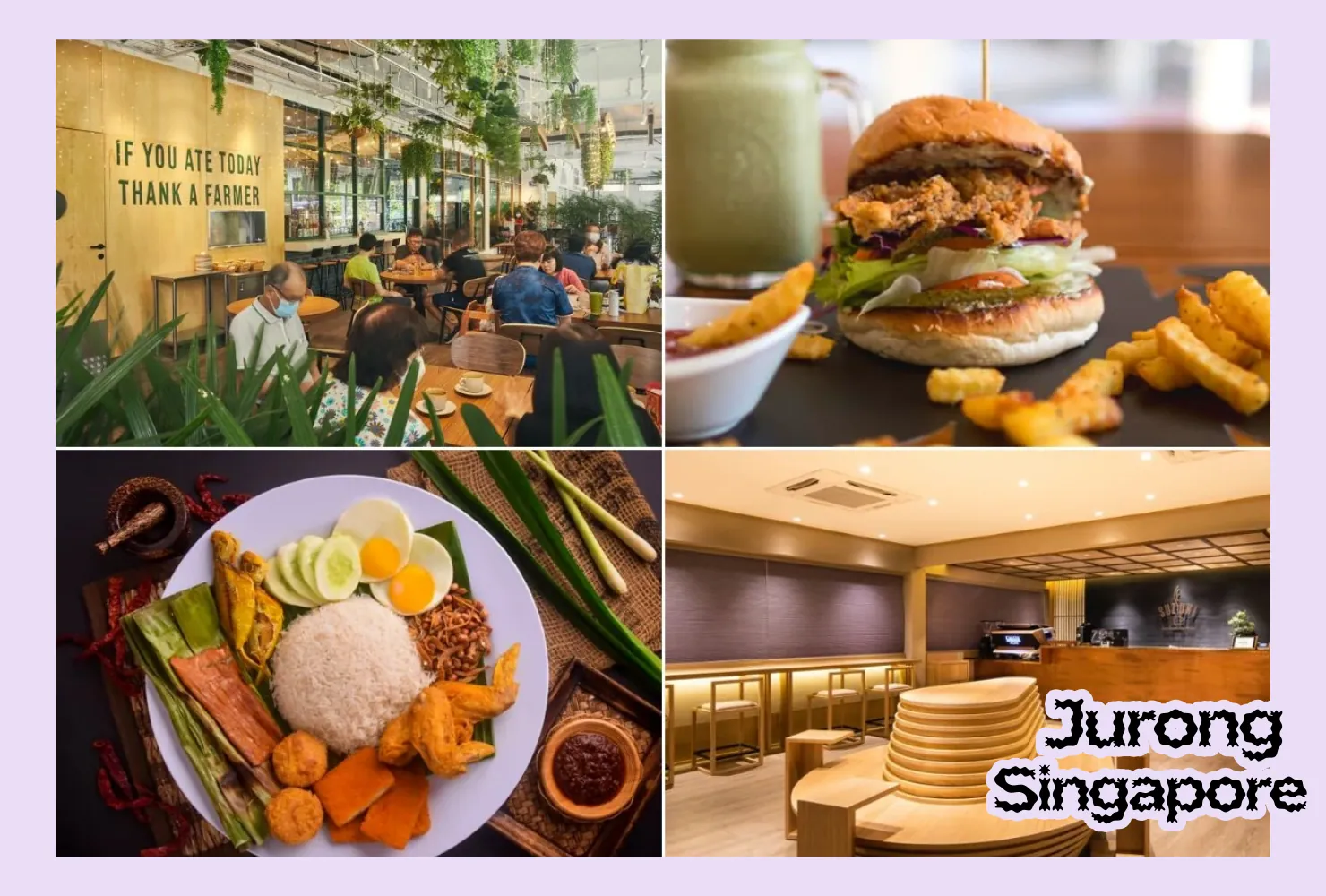
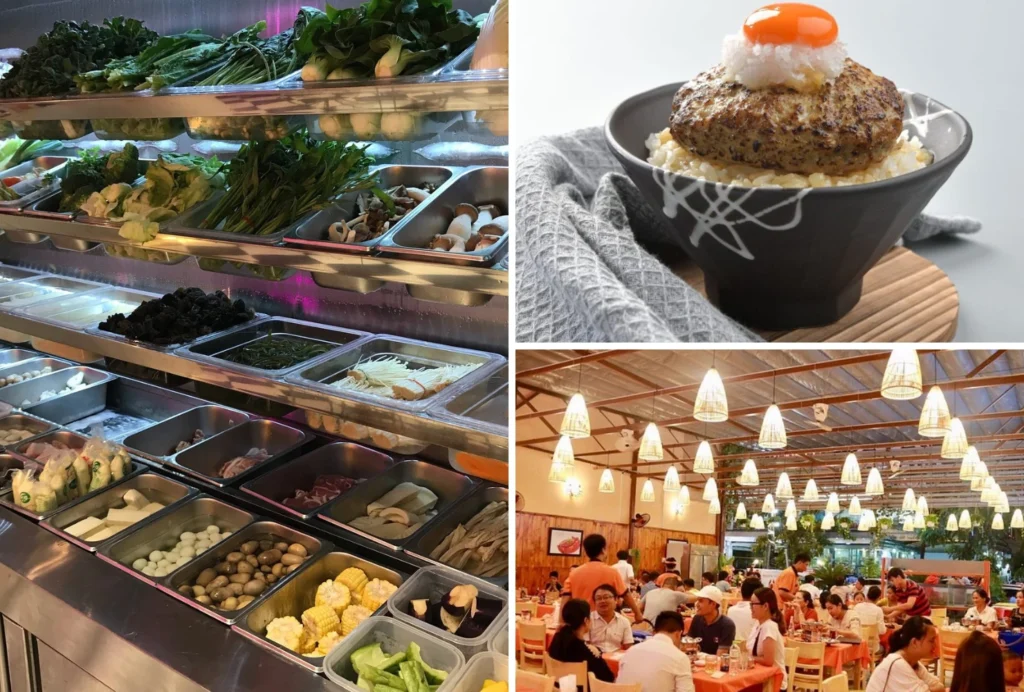
A food hub is more than just a place to eat; it is a concentrated dining and food activity zone where multiple eateries, food businesses, and services come together in one location. In Singapore, food hubs play an important role in shaping local dining culture, offering convenience, variety, and affordability in one area. Jurong has emerged as one of the strongest regions for food hubs due to its mix of residential estates, business parks, and industrial zones.
Jurong attracts a wide range of diners, including office workers looking for quick lunches, families seeking weekend dining options, and visitors exploring the western side of Singapore. The area’s strong transport connectivity and large-scale developments make it ideal for food clusters to thrive.
This guide is designed to help you understand what defines a Jurong food hub, discover major dining clusters, and decide where to eat based on cuisine, budget, and occasion. Whether you are planning a casual meal, a family outing, or a work lunch, this guide simplifies your choices and helps you dine with confidence.
A food hub is essentially a centralized area that houses a variety of dining options, often including eateries, cafés, food stalls, and sometimes small food businesses or suppliers. Unlike a typical food court, food hubs focus on variety, specialization, and clustering of cuisine types, creating a one-stop destination for diverse culinary experiences.
Jurong has become a hotspot for food hubs due to several factors:
Urban Planning & Accessibility
Jurong’s layout includes large residential estates, industrial areas, and business parks. This makes it ideal for consolidating multiple food businesses in one location, serving workers, residents, and visitors efficiently.
Dining Culture & Demand
The area’s population has a strong appetite for variety, from local hawker favorites to international cuisines. Food hubs thrive in Jurong because people want convenience without compromising on choice.
Space for Clustering
Jurong offers ample space for large scale food hubs, unlike the denser central regions. This allows for wider seating, parking, and easy movement, making it suitable for families and groups.
By clustering dining options in one location, Jurong food hubs make it easier for diners to compare cuisines, find affordable meals, and enjoy a social dining experience, which is why they are increasingly popular across the region.
Major Food Hubs in Jurong
Jurong is home to several major food hubs, each offering unique dining experiences. These hubs can be broadly categorized into mall-based clusters, industrial or neighborhood hubs, and integrated food hubs. Understanding these categories helps visitors decide where to go based on their preferences for cuisine, ambiance, and convenience.
Mall-Based Clusters
Locations like JEM, Westgate, IMM, and JCube host a mix of local and international restaurants, cafés, and casual eateries. These hubs are perfect for families, shoppers, and office workers who want variety under one roof.
Neighborhood & Industrial Food Hubs
Areas such as Jurong Food Hub along Jalan Tepong focus more on hawker-style, casual dining, and wholesale food services. These hubs are popular with nearby residents, industrial workers, and those seeking budget-friendly meals.
Integrated Food Hubs
Some clusters combine multiple malls, streets, and eateries into a seamless dining ecosystem. Examples include JCube + JEM + Westgate corridors, where local, international, and fusion cuisines are all within walking distance, offering a one-stop destination for diverse tastes.
Each food hub in Jurong caters to different needs: convenience, variety, affordability, or premium dining. This makes Jurong a versatile destination for both casual and planned dining experiences.
Top Food Hubs in Jurong – Area by Area
Jurong’s food scene is best explored by understanding its main clusters. Each area has a mix of mall-based, street food, and neighborhood options, catering to different dining needs.
Jurong East Dining Hub
Mall Clusters & Street Food
Jurong East is home to major malls like JEM, Westgate, IMM, and JCube, which host a wide range of eateries. You can find fast-casual restaurants, cafés, and international chains under one roof, making it convenient for shoppers and office workers. Street-level food kiosks and hawker stalls in surrounding areas provide affordable alternatives for quick bites.
Family & Corporate Dining
These mall-based hubs are popular for family meals, corporate lunches, and social gatherings. Many restaurants offer kid-friendly menus and spacious seating, while premium outlets cater to business lunches and meetings.
Jurong West Food Hub
Neighborhood Food Culture
Jurong West focuses on community-oriented dining, with local hawkers, casual Western and Asian eateries, and affordable meals for nearby residents. It’s a great place to experience authentic local flavors and neighborhood favorites.
Hawker & Casual Dining
This hub is ideal for budget-friendly meals, lunch boxes, and casual dinners. Hawker centers in Jurong West are known for their variety and quick service, attracting both residents and office workers.
JCube / JEM / Westgate Food Cluster
Integrated Mall Dining Ecosystem
This corridor forms a connected dining ecosystem, with malls linked via walkways and shared food courts. Diners can easily move between outlets, enjoying both local and international cuisines without leaving the area.
Local + International Brands
Ted Mall Dining Ecosystem
This corridor forms a connected dining ecosystem, with malls linked via walkways and shared food courts. Diners can easily move between outlets, enjoying both local and international cuisines without leaving the area.
Here, you’ll find a mix of Western grills, Asian fusion, cafés, and dessert outlets, making it suitable for family outings, casual meetups, or a quick meal during shopping.
This area-by-area breakdown helps diners choose the right hub based on location, cuisine preference, and occasion, whether it’s a quick lunch, a family dinner, or a leisurely café visit.
Types of Food You’ll Find Across Jurong Food Hubs
Jurong food hubs cater to a wide range of tastes, from local hawker favorites to international cuisine. Whether you’re a fan of Asian flavors, Western classics, or café-style desserts, Jurong has something for everyone.
Asian Cuisines
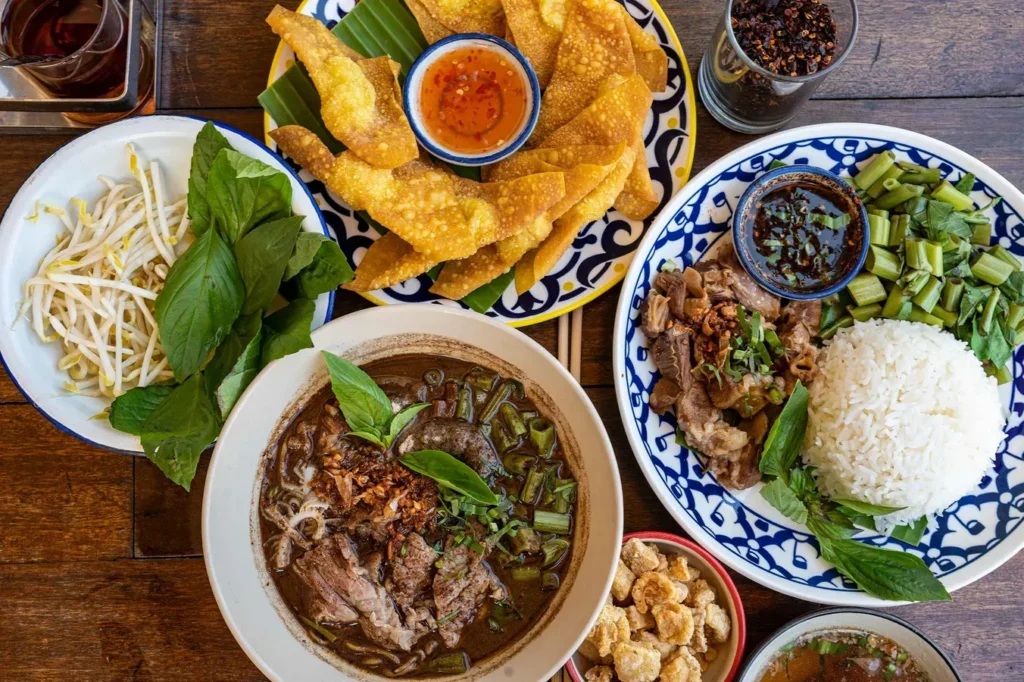
Asian food dominates Jurong food hubs, offering Chinese, Malay, Indian, Japanese, and Korean dishes. From hokkien mee and laksa to ramen and sushi, these hubs provide a variety of flavors suitable for lunch, dinner, or quick bites. Hawker-style stalls often serve budget-friendly meals, while mall-based restaurants focus on premium renditions of popular Asian dishes.
Western & Fusion Food
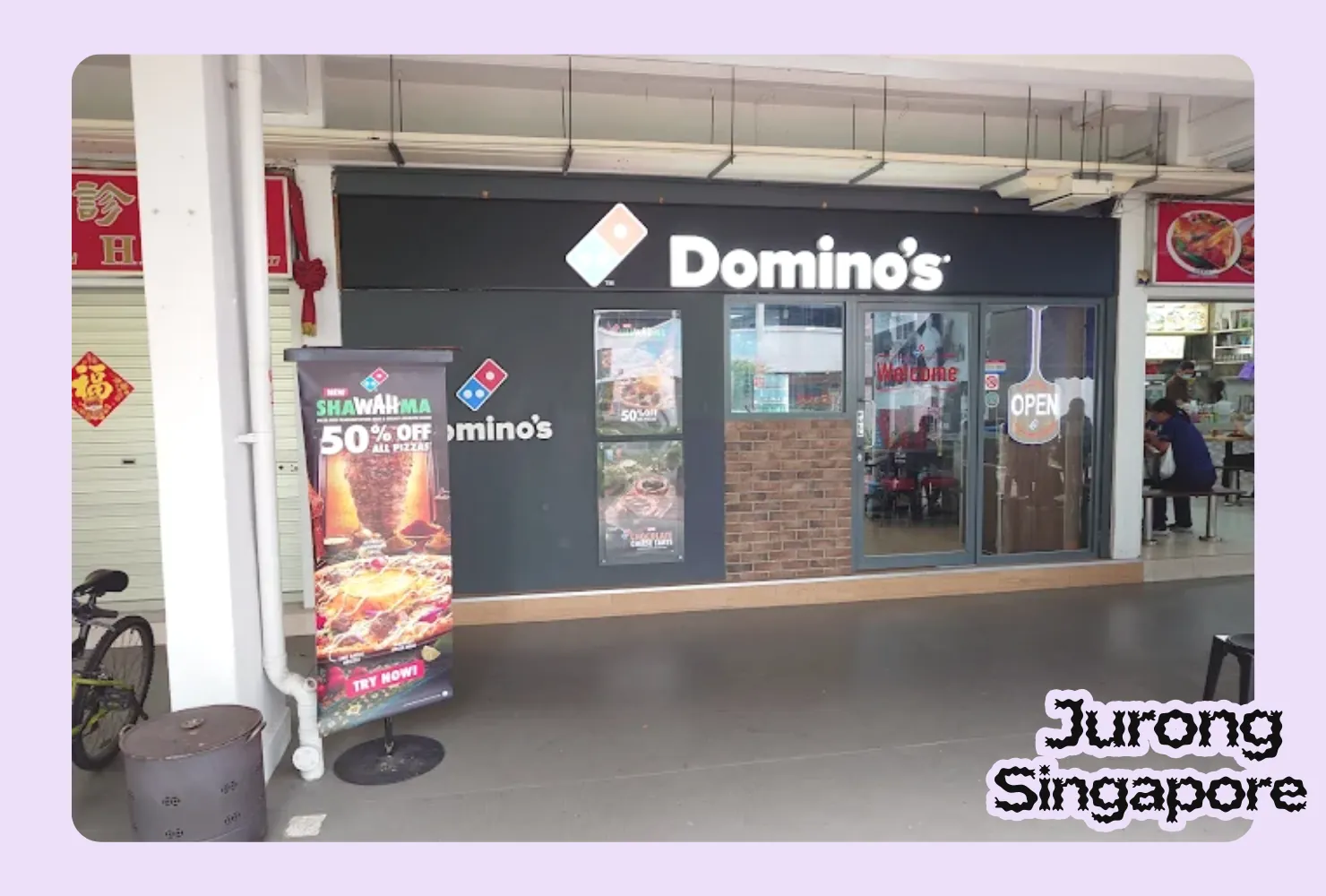
Western cuisine is widely available, ranging from burgers, steaks, and pasta to grilled platters and fusion dishes. Many malls feature chain restaurants, casual Western diners, and family-friendly steakhouses. Fusion eateries offer a creative mix of Asian and Western flavors, appealing to diners seeking unique culinary experiences. Some food hubs also include halal and vegetarian Western options, ensuring inclusivity.
Cafés, Bakeries & Dessert Zones
Café culture has grown in Jurong, with coffee shops, dessert cafés, and bakeries scattered throughout malls and neighborhood hubs. Popular offerings include brunch sets, specialty coffee, cakes, ice creams, and artisanal pastries. These zones are perfect for catching up with friends, light meals, or late-night desserts. Many malls have dedicated café clusters that attract students, families, and office workers alike.
This variety ensures that Jurong food hubs are suitable for any occasion, budget, and dining preference, making it a top destination for locals and visitors alike.
How to Choose the Right Jurong Food Hub for You
With so many food hubs in Jurong, choosing the right one can depend on budget, dining company, and timing. This section helps you make informed decisions based on your needs.
Budget Dining vs Premium Dining
If you’re looking for affordable meals, neighborhood hubs and hawker centers in Jurong West or Jalan Tepong are ideal. Dishes are budget-friendly (SGD 5–15) and cater to daily meals. For premium dining experiences, mall-based clusters like JEM, Westgate, and JCube offer steakhouses, Western grills, and multi-cuisine restaurants. Here, meals typically range from SGD 20–50 per person, perfect for celebrations, date nights, or business lunches.
Family, Couples, Friends, and Business Meals
Families: Choose malls with spacious seating, kid-friendly menus, and entertainment options. JEM and Westgate are great for family outings.
Couples: Premium or fusion restaurants in mall clusters provide romantic and cozy settings. Evening dining is ideal.
Friends & Groups: Food hubs with variety and shared seating work well for group dinners, casual meetups, or late-night bites.
Business Meals: Mall-based or premium hubs with quieter areas are best for meetings or corporate lunches.
Lunch, Dinner, and Late-Night Options
Lunch: Weekday lunches are best in mall-based hubs or near office clusters.
Dinner: Family and casual dining options peak during evening hours; premium restaurants are ideal for a slower, leisurely dinner.
Late Night: Cafés and certain mall outlets stay open later, suitable for dessert or drinks after shopping.
By considering your budget, group type, and preferred dining time, you can pick a Jurong food hub that fits your occasion perfectly, ensuring a pleasant and convenient dining experience.
Planning Your Visit to a Jurong Food Hub
While food courts and food hubs may seem similar, they offer distinct experiences. Understanding the differences helps diners choose the right venue for their occasion.
Experience & Ambience Differences
Traditional food courts are usually functional and fast-paced, with open seating and standardized stalls. They are ideal for quick meals, often visited by office workers or students. Jurong food hubs, on the other hand, focus on diverse culinary experiences, comfortable seating, and sometimes themed interiors. They often feature modern décor, café-style seating, and air-conditioned spaces, creating a more leisurely and enjoyable dining atmosphere.
Pricing & Variety Comparison
Food courts tend to offer cheaper options (SGD 3–10 per dish), focusing on single cuisines or local specialties. Food hubs provide a wider price range (SGD 5–50 per person) and a broader selection of cuisines, including Western, Asian, fusion, and specialty desserts. This makes hubs suitable for both budget-conscious diners and those seeking premium experiences.
When to Choose a Food Hub Over a Food Court
Group dining: Food hubs often provide larger seating areas for families or groups.
Variety: If you want multiple cuisines in one visit, hubs are better than food courts.
Special occasions: For birthdays, casual meetups, or date nights, food hubs offer a more comfortable and memorable dining environment.
Accessibility & convenience: Hubs are often located near malls or well-connected areas, making them easy to combine with shopping or entertainment.
Jurong food hubs are therefore more than just a place to eat; they are destinations for variety, comfort, and social dining, while traditional food courts are better suited for quick, affordable meals.
Proper planning can make your visit to a Jurong food hub more convenient, enjoyable, and stress-free, whether you are going for a casual meal, family outing, or business lunch.
Peak Hours & Best Times to Visit
Jurong food hubs are busiest during lunch (12:00 PM – 2:00 PM) and dinner hours (6:30 PM – 8:30 PM), especially on weekends and public holidays. Malls like JEM, Westgate, and IMM see heavy foot traffic during these times.
If you prefer a quieter dining experience, weekday afternoons (2:30 PM – 5:30 PM) and early dinners before 6:00 PM are ideal. Visiting during off-peak hours ensures faster service, easier seating, and a more relaxed atmosphere.
Reservations & Waiting Times
While casual hawker-style hubs typically operate on a walk-in basis, popular mall-based restaurants and Western or fusion eateries may require reservations during peak periods. Booking ahead reduces waiting time, guarantees seating, and is especially useful for large groups, families, or special occasions.
Even for walk-in spots, arriving slightly before peak hours can help you avoid long queues while still enjoying the full dining experience.
Parking & MRT Accessibility
Jurong is well-connected by public transport, making the MRT the most convenient way to reach food hubs during busy periods. Jurong East MRT station links to JEM, Westgate, and JCube, allowing easy access to multiple dining options on foot.
For drivers, mall parking is available, though spaces fill up quickly during peak hours. Early arrival or visiting during off-peak hours can make parking less stressful. Some hubs, like Jalan Tepong’s Jurong Food Hub, also have nearby parking lots for industrial and neighborhood dining areas.
Accessibility Tips
Most Jurong food hubs are wheelchair and stroller-friendly.
Family-friendly seating and high chairs are commonly available in mall-based hubs.
Many food hubs also have ATM, washrooms, and resting areas, adding to convenience for longer visits.
Planning around peak hours, transport options, and reservations ensures that your visit to Jurong food hubs is smooth, comfortable, and fully enjoyable, whether you’re visiting for lunch, dinner, or late-night cravings.
FAQs
1. What is the best food hub in Jurong?
The Jurong Food Hub at Jalan Tepong is one of the largest and most organized hubs in the region, offering a mix of hawker-style meals, casual dining, and supplier services. For mall-based options, JEM, Westgate, and JCube provide a variety of cuisines, from Western grills to Asian fusion, catering to families, office workers, and visitors.
2. Which Jurong food hub has the most variety?
The JCube–JEM–Westgate corridor offers the widest variety of dining options. Here, you can enjoy Asian, Western, fusion, café-style desserts, and specialty beverages, all within walking distance. Mall clusters allow visitors to compare menus and try different cuisines in a single visit.
3. Are Jurong food hubs expensive?
Jurong food hubs cater to all budgets. Neighborhood hubs and hawker centers typically offer meals from SGD 5–15, while mall-based outlets range from SGD 15–50 per person depending on the restaurant and type of cuisine. You can find both affordable quick meals and premium dining experiences in Jurong.
4. Which food hub is best for families?
JEM, Westgate, and IMM are the most family-friendly hubs. These malls have spacious seating, kid-friendly menus, and entertainment options. Neighborhood hubs can also be family-friendly but may have limited seating and amenities compared to mall-based clusters.
5. Are there halal options in Jurong food hubs?
Yes, many food hubs in Jurong, including JEM, Westgate, and Jalan Tepong’s Jurong Food Hub, have halal-certified eateries. Halal options include Western, Asian, and fusion dishes, ensuring that diners following halal dietary requirements have a variety of choices.
Whether you are a local resident, office worker, or a tourist exploring Singapore’s west, Jurong food hubs provide a one-stop solution for all your dining needs. Planning ahead, understanding peak hours, and choosing the right hub ensures a seamless and enjoyable culinary experience.
Conclusion
Jurong’s food hubs reflect the district’s role as a dynamic lifestyle and commercial centre in western Singapore. By bringing together diverse cuisines, price points, and dining formats in well-connected locations, these hubs make eating out both convenient and enjoyable for residents, workers, and visitors alike. From quick weekday lunches to relaxed family meals and social gatherings, Jurong offers food clusters that cater to every occasion and preference.
With a clear understanding of what defines a Jurong food hub and where the key dining areas are located, you can make informed choices that suit your budget, schedule, and cravings. Whether you are exploring familiar favourites or trying something new, Jurong’s food hubs provide a reliable and rewarding dining experience, making the area one of Singapore’s most practical and exciting places to eat.