Jurong Camp 2 (also called Jurong Camp II) is a significant military installation of the Singapore Armed Forces (SAF) located in the western region of Singapore, along Jurong West Street 91. A key part of Singapore’s land defence infrastructure, it serves as both an operational base and training hub for infantry and support units, especially through the Infantry Training Institute (ITI). The military facility is accessible through Jurong East MRT Station public transport routes. The camp plays a vital role in preparing full-time servicemen and reservists for real-world missions by equipping them with core combat and tactical skills. As SAF continually updates its training methodology, Jurong Camp 2 has evolved to support advanced learning environments, modern simulation systems, and dedicated lecture and planning spaces that mirror operational planning scenarios. Its strategic position in Jurong combines accessibility with a secure environment for military readiness, ensuring that personnel can transition smoothly between classroom instruction, simulated exercises, and field-oriented tasks during their In-Camp Training (ICT) cycles.
Address:29 Jurong West Street 91, Singapore 649042
Jurong Camp 2 has a history closely tied to the modernization of Singapore’s Army training infrastructure. In the mid-2000s, the Infantry Training Institute (ITI) relocated to Jurong Camp II, ushering in a new phase of infantry education with upgraded classrooms, simulation facilities, and improved access to field training zones. This move centralised key training operations and strengthened the SAF’s ability to prepare soldiers more efficiently. Over the years, the camp has continued to evolve as both a training and operational hub supporting infantry and auxiliary units, reinforcing Singapore’s wider defence readiness framework and commitment to advanced military preparedness.
Directions from Key Points
Jurong Camp 2 is accessible from Boon Lay MRT via nearby bus services such as 99, 192, 241, and 974, followed by a short walk along Jurong West Street 91. From Woodlands, commuters can transfer from the North-South Line to the East-West Line at Jurong East or Boon Lay before taking local buses toward the camp. Those coming from Jurong Camp 1 can travel between the camps via buses along Upper Jurong Road or short tactical shuttles for authorised personnel.
From Boon Lay
Visitors can reach Jurong Camp 2 via the East-West MRT Line, alighting at Boon Lay MRT Station (EW27). From the station, several bus services, including Bus 99, 192, 241, and 974, travel along Upper Jurong Road and stop near Jurong West Street 91, providing convenient access to the camp. Depending on the bus stop and your destination inside the camp, a short walk may be required. Visitors are advised to check bus schedules and allow extra time during peak hours, as services can be crowded.
From Woodlands
Travelers from Woodlands can take the North-South MRT Line towards the city, transferring at Jurong East or Boon Lay to the East-West Line. After reaching Boon Lay, visitors can continue using the same bus connections or walk a few minutes to the camp entrance.
From Jurong Camp 1
Jurong Camp 1 and Jurong Camp 2 are situated very close to each other along Upper Jurong Road, making travel between the two camps convenient for authorized personnel. Those with proper clearance, including contractors, reservists, and full-time SAF staff, can use local bus services that run along the road connecting the camps. Additionally, some units operate short tactical shuttle services to facilitate smooth inter-camp movement, particularly during ICT cycles or training exercises. Walking between the camps is also feasible for those familiar with the layout. These options ensure efficient travel while maintaining the security and operational protocols required within SAF installations.
Facilities & Services
Jurong Camp 2 offers a range of facilities to support training and daily operations. Key amenities include the Infantry Training Institute (ITI) classrooms and simulation labs, administrative offices, ICT reporting centres, canteens, and an eMart for uniforms and consumables. Medical services for visitors are available at Jurong East Hospital emergency and specialist departments. These resources ensure personnel can train, work, and operate efficiently on-site.
eMart at Jurong Camp 2
Jurong Camp 2 supports SAF personnel with convenient eMart facilities where servicemen can purchase uniforms, consumables, and basic military kit during training cycles. While camp-based eMart access usually requires valid SAF identification and appointment, commercial eMart outlets such as The Chevrons at Jurong East serve as supplementary points that many personnel use.
Infantry Training Institute (ITI) Facilities
The Infantry Training Institute (ITI) at Jurong Camp 2 is one of the most notable features of the camp. ITI offers purpose-built facilities such as a battalion command block, planning rooms, lecture theatres, interactive training labs, and a fully equipped gymnasium. These are designed to support both basic and advanced infantry training, including battalion planning, tactical simulations, and physical conditioning in an integrated learning environment.
Other ICT & Administrative Resources
Jurong Camp 2 also houses administrative offices and ICT (In-Camp Training) reporting centres, ensuring that reservists and regulars complete their training seamlessly. On-site resources such as business centres with telecom and internet access support training administration and communication throughout ICT cycles.
Training & Programs
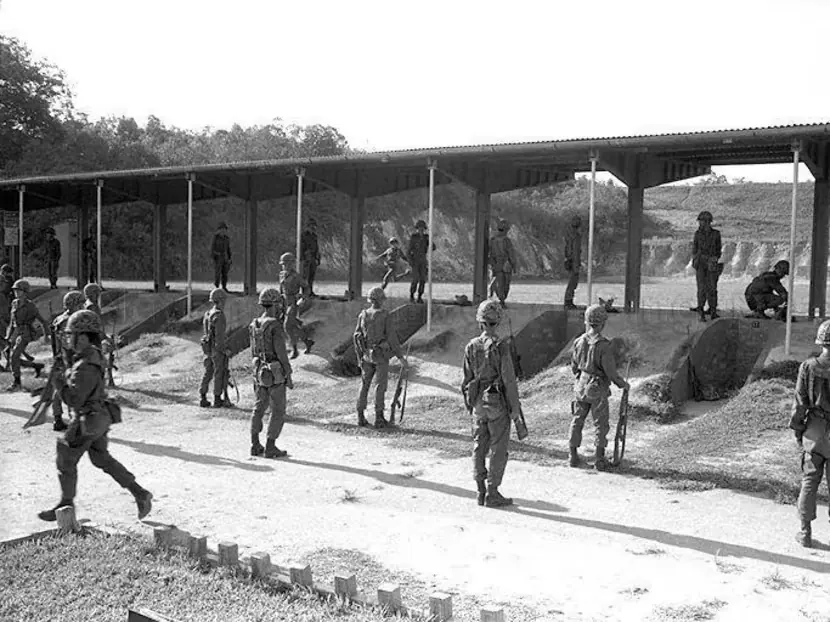
Jurong Camp 2 plays an active role in reservist training, especially through ICT cycles, where personnel returning from operationally ready service engage in refresher courses, tactical exercises, and leadership drills coordinated by ITI and supporting units.
Infantry Training Institute (ITI)
The Infantry Training Institute (ITI) at Jurong Camp 2 serves as the central hub for infantry training in the Singapore Armed Forces. Its mission is to provide comprehensive, course-based programmes designed to develop both technical and leadership skills in soldiers. ITI offers training in fieldcraft, tactical operations, weapons handling, small-unit leadership, and decision-making under pressure, ensuring that both new recruits and operationally ready reservists are fully prepared for modern infantry challenges. The institute employs a variety of advanced simulation tools, interactive laboratories, and structured training modules, allowing trainees to experience realistic scenarios in a controlled environment. In addition to classroom instruction, ITI integrates physical conditioning and practical exercises, providing a holistic approach to soldier development. Its facilities support continuous assessment, feedback, and skill refinement, helping ensure that personnel meet SAF operational standards. Through ITI, Jurong Camp 2 strengthens the combat readiness and professional development of Singapore’s infantry forces.
Green Zone or Operational Status
Singapore Armed Forces camps, including Jurong Camp 2, are divided into security zones to manage access and operational safety effectively. Areas such as training institutes, administrative blocks, and common facilities are often classified as Green Zones, which indicate controlled access for authorized personnel. While entry is easier in these zones compared to high-security operational areas, all visitors must still undergo proper identification checks, appointment verification, and security clearance. Green Zone designation ensures that personnel can carry out training, administrative work, or ICT activities without unnecessary obstacles while maintaining overall safety and operational integrity. Access rules in these zones are designed to balance efficiency with strict security protocols, allowing contractors, staff, and reservists to perform their duties smoothly. Even within Green Zones, photography, recording, and unauthorized entry into sensitive areas remain prohibited. Understanding the operational status of each zone helps visitors and personnel navigate the camp responsibly while supporting SAF’s broader defence readiness objectives.
Planning Your Visit
Planning a visit to Jurong Camp 2 requires careful preparation due to its status as an operational and training hub. All visits must be arranged in advance through SAF authorities, the relevant unit, or the visitor’s designated SAF contact officer. This process includes confirming the purpose of the visit, the expected time of arrival, and the point of contact within the camp. Visitors should also clarify which areas of the camp they need to access, as certain zones are restricted even for authorized personnel. Contractors, delivery personnel, and reservists attending In-Camp Training (ICT) or briefings should ensure all documents, approvals, and permits are ready before arrival. Planning ahead also allows coordination with the camp’s administrative offices, which may schedule escort services, allocate parking or drop-off points, and provide directions to specific buildings. Casual visits without prior authorization are strictly prohibited, as they may disrupt training schedules or violate SAF security policies. Families visiting the area may enjoy outdoor activities at Jurong Central Park Singapore.
Security and Entry Requirements
Jurong Camp 2 enforces strict security measures to ensure the safety of personnel, sensitive equipment, and operational integrity. All visitors must present valid identification, such as an NRIC, passport, or company-issued pass, and have appointment verification from the relevant SAF unit. At the guardhouse, security personnel will authenticate your details, check permits, and issue a visitor pass, which must be worn visibly at all times within the camp. Unauthorized recording, photography, or mobile device use in restricted areas is strictly prohibited. Vehicles entering the camp may be subject to inspection, and delivery personnel should be prepared for additional checks on goods or equipment. First-time visitors are advised to arrive at least 15–30 minutes early to complete security procedures. For contractors and service providers, it is recommended to confirm entry requirements, escorts, and any special PPE or dress code needed for specific areas within the camp.
Best Times to Visit for Contractors or First-Time Visitors
The most convenient times to visit Jurong Camp 2 are weekday mornings during office hours, generally between 08:30 and 16:30, when administrative offices and ICT reporting centres are fully operational. Visiting during these hours ensures smoother access to facilities, canteens, and administrative support. Contractors or first-time visitors should schedule appointments well in advance, as some areas may be unavailable due to training exercises, ICT sessions, or operational activities. Avoid public holidays and periods when major SAF exercises are scheduled, as access may be restricted. For repeated visits, coordinating with the unit contact officer ensures access to parking areas, eMart facilities, or specific training blocks. Visitors should also allow extra time for traffic along Upper Jurong Road or during peak travel periods. Arriving early helps complete security clearance, locate the correct reporting point, and navigate the camp efficiently without disrupting personnel or training schedules.
How to Get to Jurong Camp 2
Jurong Camp 2 is located along Upper Jurong Road, Singapore, and can be reached by public transport, taxi, or private vehicle.
By MRT and Bus
Take the East-West Line to Boon Lay MRT Station. From there, buses such as 99, 192, 241, and 974 stop near the camp entrance at Jurong West Street 91. A short walk from the bus stop leads directly into the camp for authorized personnel.
By Taxi or Private Hire
Using a taxi or ride-hailing service like Grab, Gojek, or traditional taxis is one of the most convenient ways to reach Jurong Camp 2, especially for first-time visitors, contractors, or personnel carrying equipment or documents. These services allow passengers to be dropped off directly at the camp’s guardhouse or designated reporting points, reducing the need to navigate unfamiliar roads or public transport connections. Drivers may be required to wait outside the main gate until visitors complete security checks. This option also helps ensure punctuality for appointments, ICT sessions, or deliveries, making it an ideal choice for individuals who want a stress-free, direct route to the camp.
By Car
Visitors driving to Jurong Camp 2 should use Upper Jurong Road and GPS or navigation apps to guide them to the camp entrance. Personal vehicles must follow all SAF traffic rules and may be subject to inspection at the guardhouse to ensure safety and compliance with camp protocols. Entry is granted only to individuals with prior authorization and valid identification, and parking or drop-off locations may be assigned by the camp administration. Driving offers flexibility for transporting larger equipment or multiple personnel, but it is important to plan for traffic conditions, security checks, and time needed for verification before accessing camp facilities.
FAQs
1. Can the public visit Jurong Camp 2?
No, only authorized personnel with prior approval may enter.
2. Which MRT station is nearest?
Boon Lay MRT on the East-West Line provides the closest access.
3. Does the camp have food facilities?
Yes, canteens and an eMart are available, mainly for servicemen.
4. How do contractors or reservists enter?
They must coordinate with their SAF contact officer and present valid identification and appointments at the guardhouse.
Conclusion
Jurong Camp 2 is a vital component of Singapore’s military infrastructure, serving as a key training and operational base for the SAF. Home to the Infantry Training Institute (ITI), administrative offices, and ICT centres, the camp ensures that both full-time personnel and reservists are fully prepared for operational duties. Effective planning is essential for visitors, contractors, and first-time entrants, as the camp maintains strict security protocols, including identification verification, visitor passes, and controlled access to sensitive areas. With accessible transport links, including Boon Lay MRT and nearby bus services, authorized visitors can navigate the camp efficiently when prior approval has been secured. Facilities such as canteens, eMart services, and administrative support further enhance the convenience and functionality of the camp. Overall, Jurong Camp 2 exemplifies SAF’s commitment to operational readiness, training excellence, and secure, efficient management of personnel and resources.