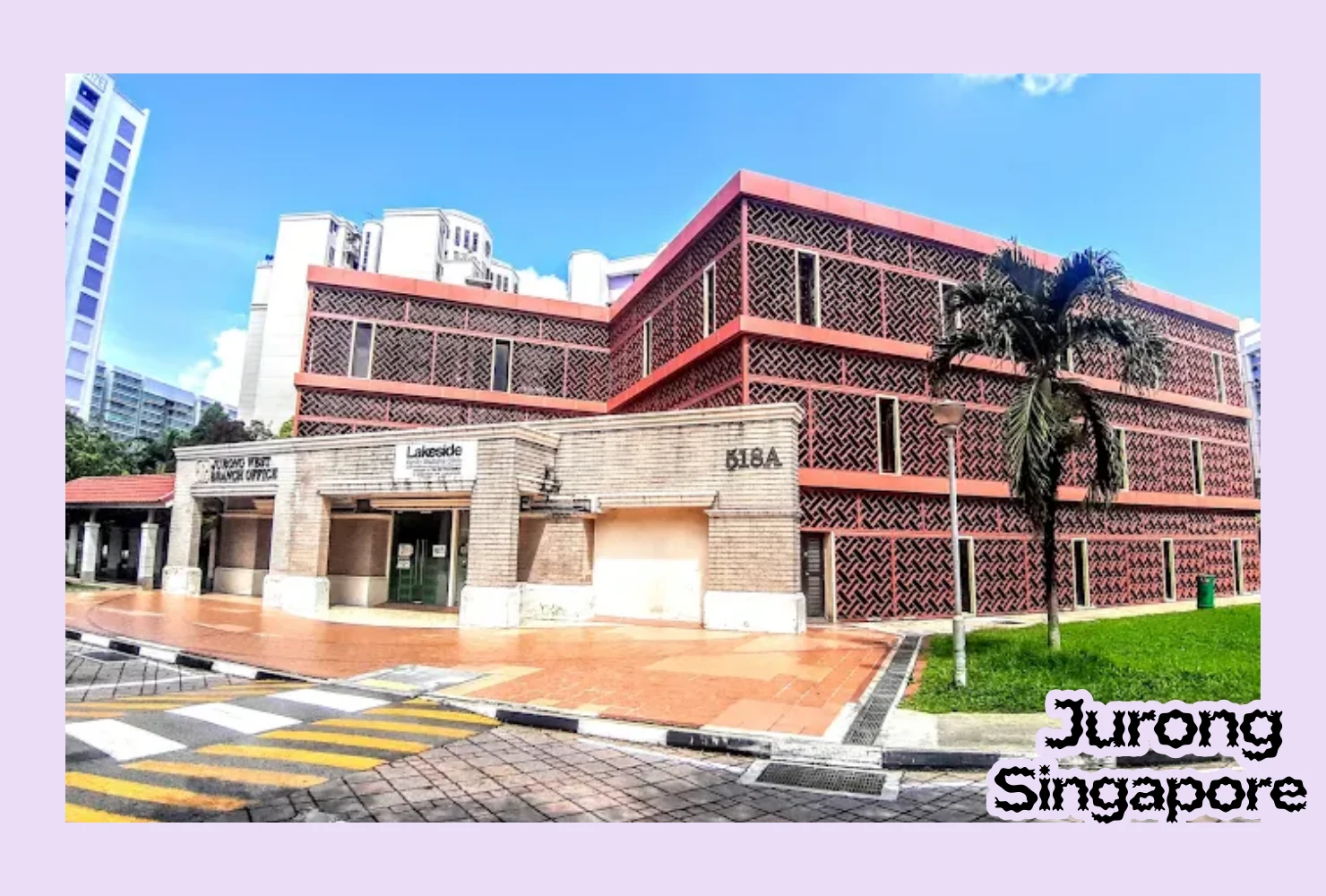
Jurong is a major residential and commercial hub in the western region of Singapore, serving over 400,000 residents. The Jurong MRT network plays a critical role in connecting this vibrant district to the rest of Singapore’s transport ecosystem. From the well-established Jurong East and Jurong West stations to upcoming developments like Jurong West Extension, the MRT system ensures seamless connectivity for daily commuters, workers, and visitors exploring the region.
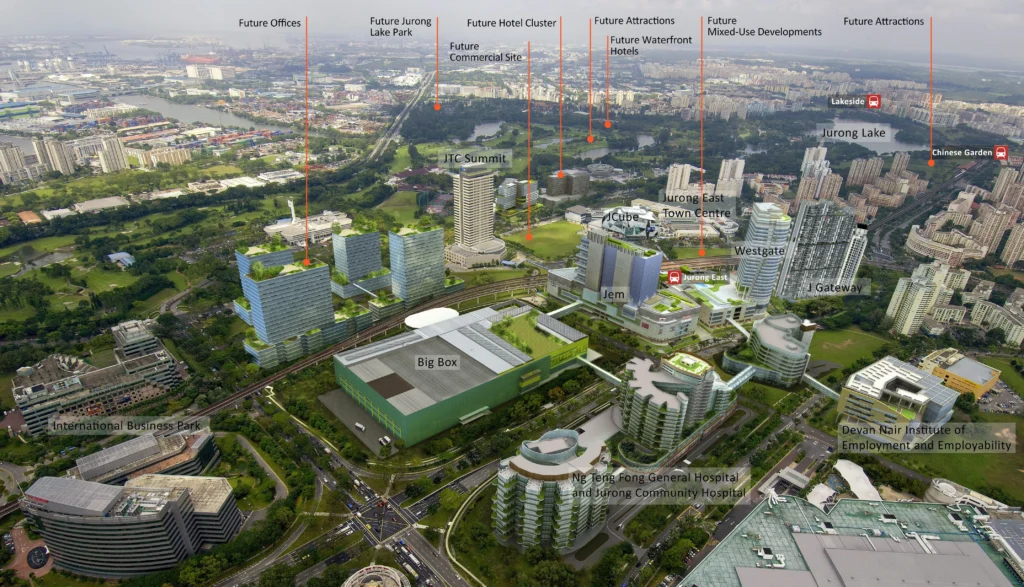
The Jurong area is home to Jurong Lake District, a major mixed-use development, Jurong Point Shopping Centre, and numerous residential blocks. As Singapore’s transport infrastructure continues to evolve, the expansion of the MRT network in Jurong promises to enhance accessibility and reduce commute times for thousands of residents. This comprehensive guide provides essential information about every MRT station in Jurong, connectivity options, and future developments.
The Jurong MRT network consists of multiple stations strategically positioned to serve the district’s diverse communities and commercial zones. The network is designed to integrate seamlessly with existing bus routes, alternative transport modes, and future infrastructure projects. Currently, the Jurong area is served by several major stations that form the backbone of western Singapore’s public transportation system.
The network’s expansion is a testament to Singapore’s commitment to building a comprehensive, efficient, and accessible public transport system. With connections to the city center, eastern Singapore, and other major districts, the Jurong MRT network ensures that residents can reach their destinations quickly and conveniently. As the district continues to develop, new stations and enhanced connectivity options are being introduced to meet growing transportation demands.
MRT Lines Serving the Jurong Area
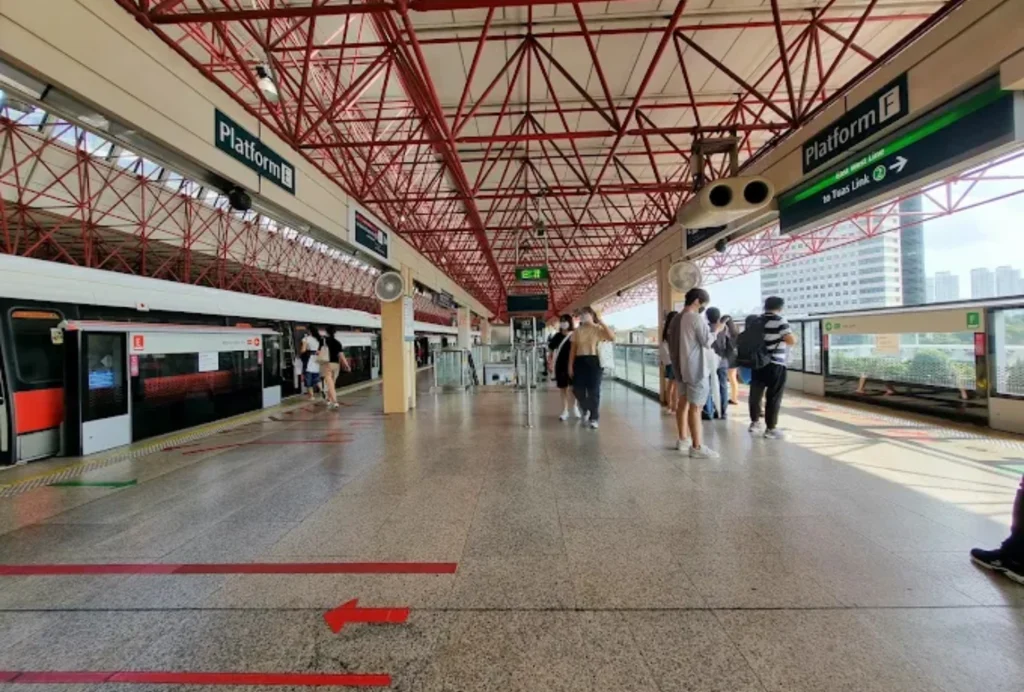
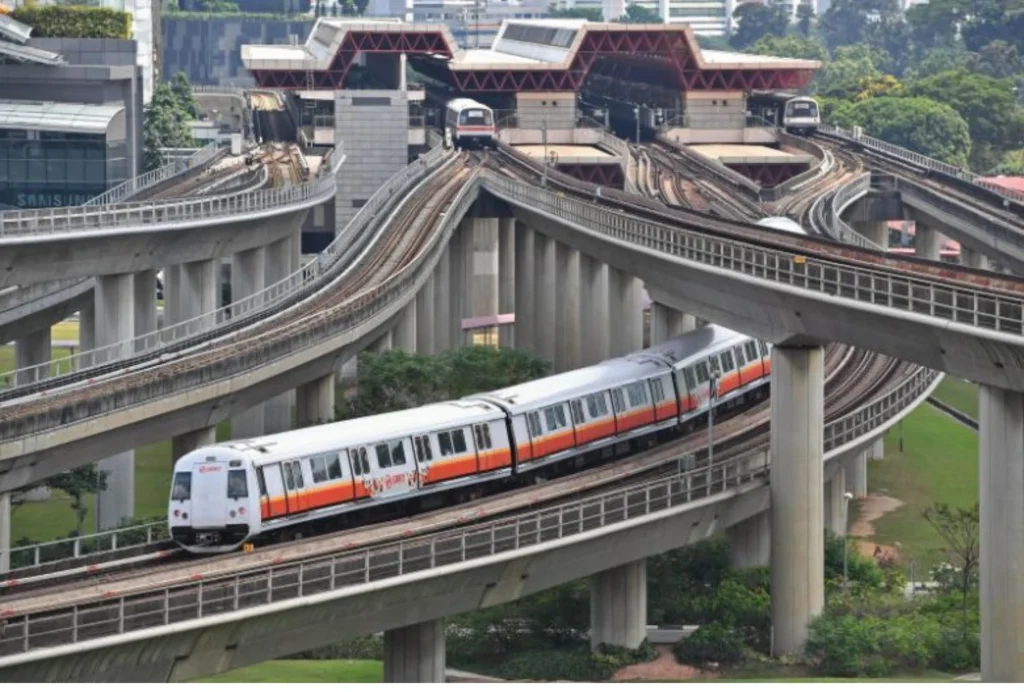
The Jurong area is primarily served by the East-West Line (EW Line), one of Singapore’s oldest and most heavily used MRT corridors. The EW Line stretches from Pasir Ris in the east to Tuas Link in the west, passing through Jurong and serving multiple stations in the area. This line connects Jurong residents to central business districts, interchange stations, and other key hubs across the island.
Beyond the EW Line, the Jurong Lake District is being integrated with additional rail services through the Jurong Region Line (JRL), a new underground MRT line currently under development. The JRL will enhance connectivity within Jurong and provide direct links to the Bukit Panjang area, complementing the existing EW Line and significantly improving transport efficiency in the region.
The planned Jurong West Extension will further strengthen the connectivity of the Jurong West area, ensuring that residents in newer residential developments have easy access to MRT facilities. These interconnected lines create a comprehensive network that supports Jurong’s continued growth and development.
Jurong East MRT Station
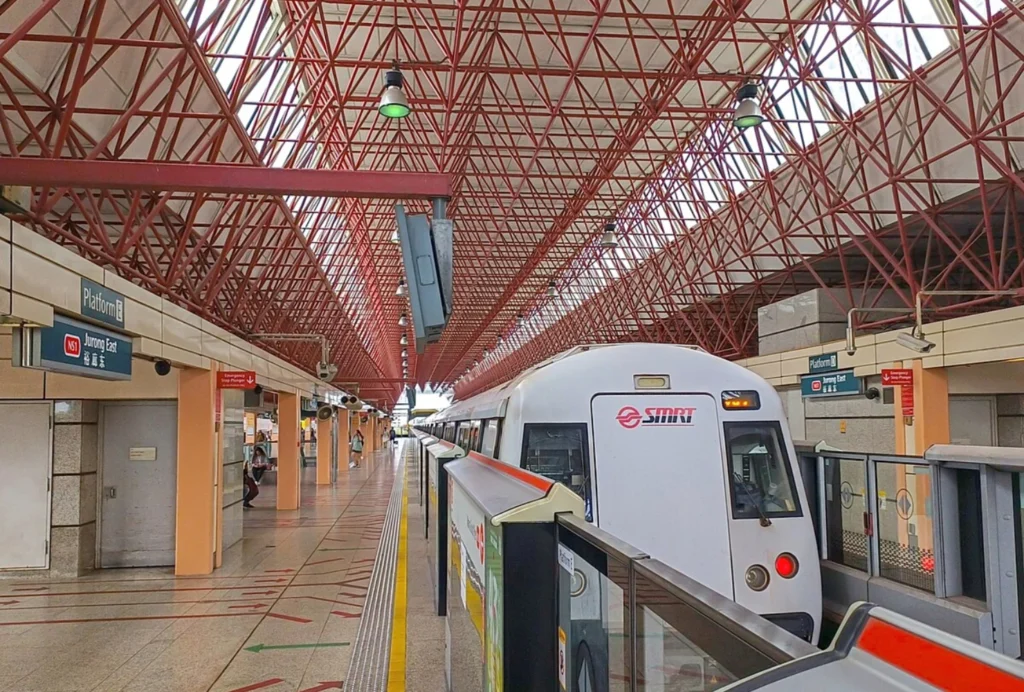
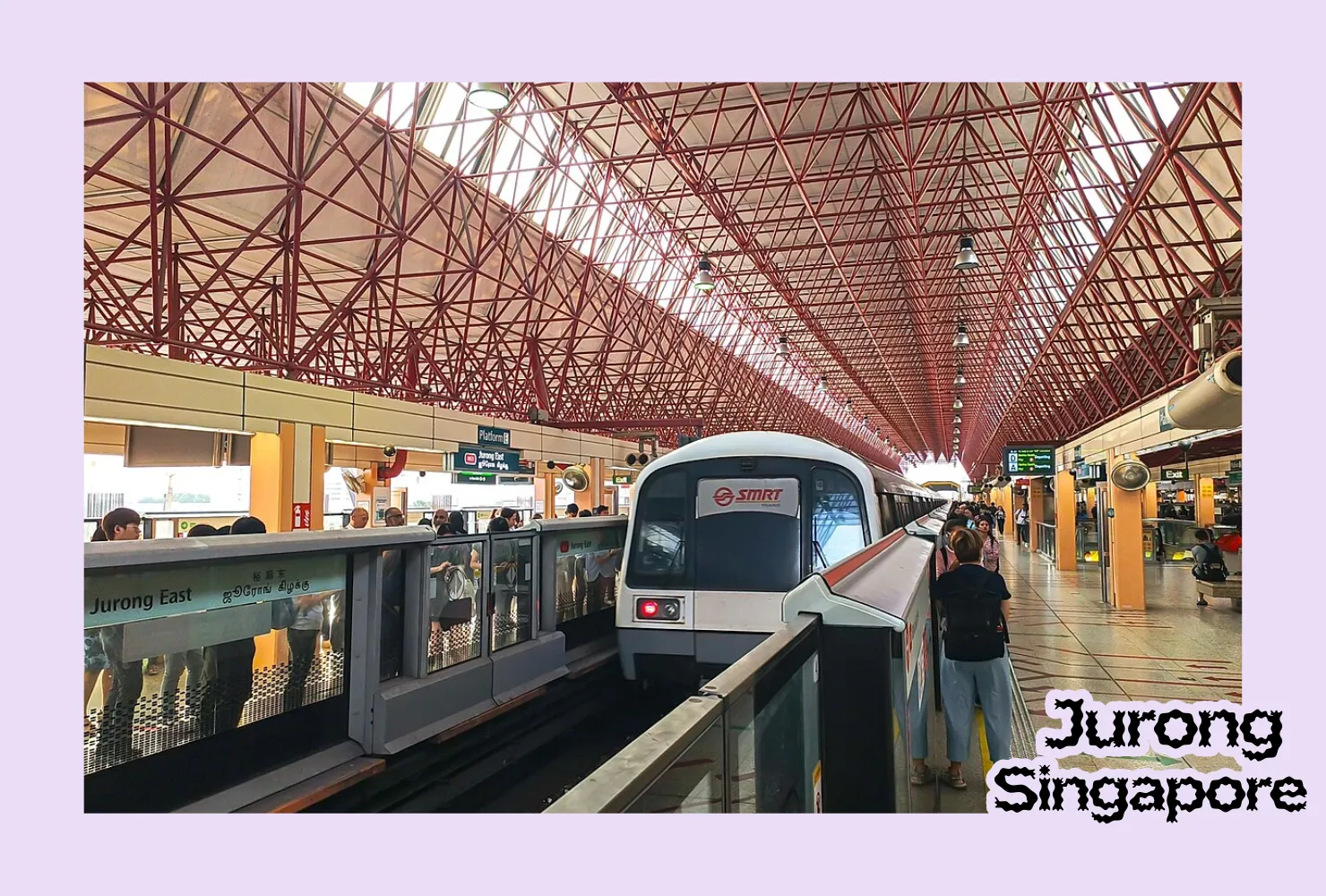
Jurong East MRT Station is one of the most significant transportation hubs in the Jurong area. Located at Block EW24, Jurong East Station serves as a major interchange station where the East-West Line intersects with connections to other transport modes. The station features modern facilities, including ticketing systems, escalators, lifts, and accessible amenities for elderly and disabled commuters.
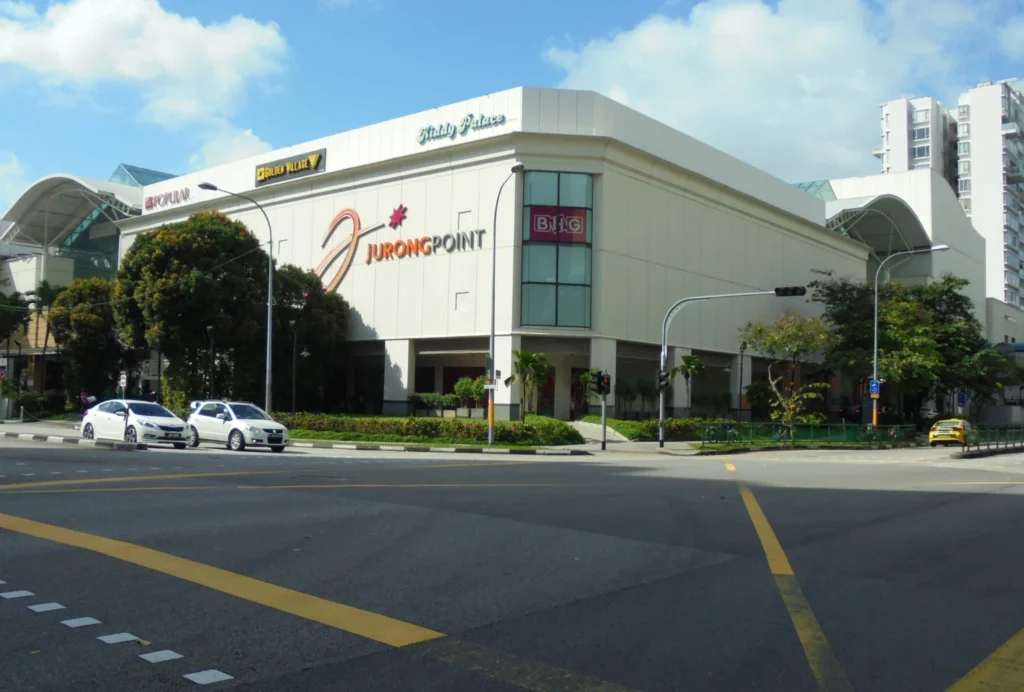
Jurong East Station is not just a transit point but also a vibrant commercial hub. The station is directly connected to Jurong Point Shopping Centre, one of Singapore’s premier retail destinations, with over 300 stores offering dining, fashion, electronics, and entertainment options. This integration makes Jurong East Station a destination for both commuters and shoppers alike.
The station’s strategic location makes it an ideal transfer point for commuters heading to or from other parts of Singapore. With frequent train services throughout the day, residents can plan their commutes with confidence, knowing that reliable transport options are available. The station also serves as a base for numerous bus routes, providing commuters with flexible transport choices to complete their journeys.
Jurong West MRT Station
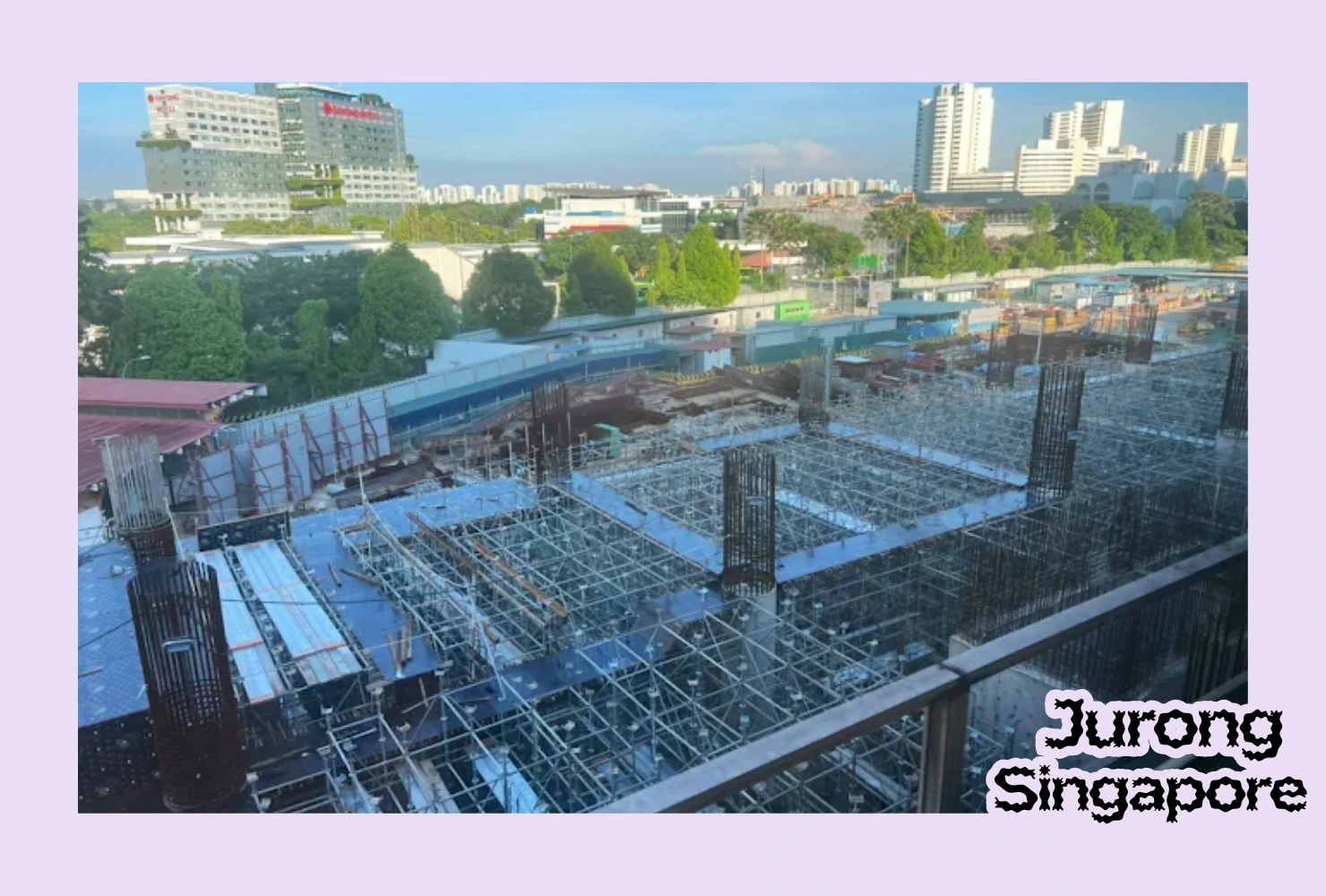
Jurong West MRT Station (JS6) is located at Jurong West Avenue 2 and is currently under construction as part of Singapore’s strategic expansion of the MRT network. This new station will serve the western residential areas of Jurong, providing enhanced accessibility for residents in nearby blocks such as Jurong West Street 41, Jurong West Street 42, and surrounding neighborhoods.
The Jurong West MRT Station will be a critical addition to the Jurong transport network, significantly reducing commute times for residents in the western Jurong area and nearby residential clusters. Once completed, the station will feature modern facilities including accessible entrances, lifts, escalators, and convenient ticketing options. The station’s design emphasizes accessibility and user-friendliness, ensuring that all commuters, including elderly and disabled passengers, can utilize the facility comfortably.
The construction of Jurong West MRT Station reflects Singapore’s commitment to providing equitable access to public transport across all residential areas. The station will be connected to a comprehensive network of bus routes and alternative transport modes, allowing residents to seamlessly transition between different modes of transport. This multi-modal connectivity ensures that residents have flexible commuting options tailored to their specific needs.
Jurong Point MRT and Mall Connectivity
Jurong Point is a landmark shopping and entertainment destination located near Jurong East MRT Station. The mall is directly accessible from the station, making it a one-stop destination for shopping, dining, and entertainment. With over 300 retailers, food establishments, and service providers, Jurong Point attracts visitors from across Singapore.
The connectivity between Jurong East MRT Station and Jurong Point Shopping Centre exemplifies Singapore’s integrated approach to urban development. The covered walkways and directional signage make navigation seamless for first-time visitors, while regular shoppers benefit from the predictable route. The mall also features convenient parking facilities and taxi stands for commuters who prefer alternative transport modes.
For commuters using public transport, Jurong Point’s location adjacent to Jurong East Station offers unparalleled convenience. Whether shopping for essentials, dining at one of the mall’s many restaurants, or enjoying entertainment options, visitors can access the mall within minutes of alighting from the MRT. This integration of retail and transport infrastructure has made Jurong Point a model destination for mixed-use urban development in Singapore.
Jurong Lake District MRT and Future Development
Jurong Lake District is a transformative mixed-use development that spans over 300 hectares and is being reimagined as a vibrant commercial, residential, and recreational destination. The district will be served by multiple MRT stations as part of the Jurong Region Line (JRL), a new underground railway that is currently under development.
The Jurong Region Line will introduce new stations within the Jurong Lake District, providing residents and workers with convenient MRT access to this dynamic area. The JRL is designed to integrate seamlessly with existing MRT lines, enhancing overall connectivity and reducing congestion on current routes. The development emphasizes sustainability, with green spaces, water features, and pedestrian-friendly infrastructure creating a modern, livable environment.
Jurong Lake District will eventually host major commercial hubs, residential towers, hospitality facilities, and recreational attractions. The planned MRT connections will ensure that this ambitious development is accessible to all residents of Singapore, promoting inclusive growth and sustainable urban development. The integration of transport infrastructure with residential and commercial planning demonstrates Singapore’s forward-thinking approach to city development.
Jurong Town Hall MRT Station
Jurong Town Hall is another important station serving the Jurong area, providing connections to the broader MRT network. The station serves as a regional administrative hub, with proximity to government offices and civic centers. The area surrounding Jurong Town Hall is characterized by mixed residential and commercial development, serving both local residents and workers.
Jurong Town Hall MRT Station features standard facilities including accessible entrances, ticketing systems, and convenient bus interchange options. The station’s location makes it an ideal starting point for commuters heading to the city center or other destinations across Singapore. Regular train services ensure reliable connectivity throughout the day, supporting the area’s diverse commuting needs.
The station is also well-served by multiple bus routes, providing commuters with flexible transport options. The integration of bus and MRT services at Jurong Town Hall demonstrates Singapore’s commitment to creating seamless, multi-modal transport networks that meet diverse commuter needs. Whether traveling for work, shopping, or leisure, commuters can plan their journeys with confidence using the available transport options.
Interchanges and Connectivity Within Jurong MRT
Jurong East MRT Station functions as a major interchange point, connecting the East-West Line with numerous bus routes and alternative transport modes. The station’s strategic location allows commuters to seamlessly transition between different transport options, optimizing their journey times and travel flexibility.
The planned Jurong Region Line will introduce additional interchange opportunities within the Jurong area, with connections to the EW Line at key hubs. These interchanges will significantly reduce travel times for residents across different parts of Jurong, eliminating the need for long bus journeys or multiple transfers. The integration of multiple MRT lines within Jurong reflects Singapore’s strategy to build a comprehensive, interconnected transport network.
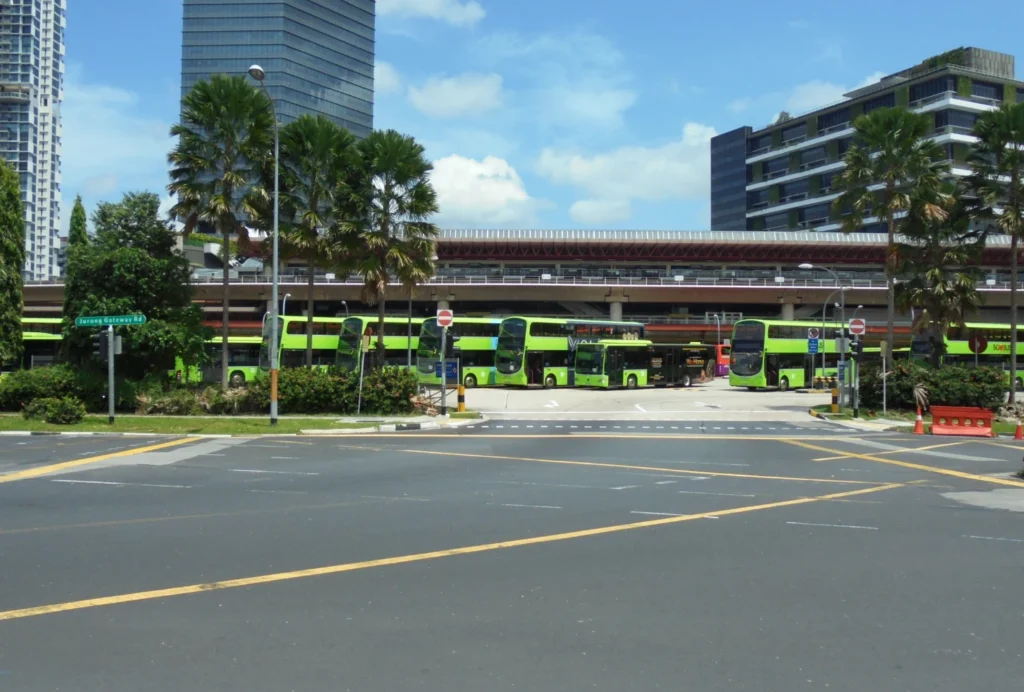
Bus routes throughout Jurong provide critical first-mile and last-mile connectivity, linking residential blocks directly to MRT stations. Major bus interchanges at Jurong East and other stations allow commuters to access multiple routes serving different parts of Singapore. Real-time information systems at stations and on mobile applications help commuters plan their journeys efficiently, ensuring they can reach their destinations with minimal waiting time.
Nearby Amenities and Landmarks Around Jurong MRT Stations
Jurong’s MRT stations are surrounded by diverse amenities and landmarks that enhance the area’s appeal for residents, workers, and visitors. Jurong Point Shopping Centre is the most prominent retail destination, offering comprehensive shopping, dining, and entertainment options. The mall’s direct connection to Jurong East MRT Station makes it easily accessible for commuters.
Residential blocks throughout Jurong are within walking distance or short bus journeys from various MRT stations. Notable blocks include those along Jurong West Street 41, Jurong West Street 42, Jurong West Avenue 2, and numerous other streets, each hosting thousands of residents and creating a vibrant, diverse community. Many of these blocks feature ground-floor amenities such as hawker centers, small retail shops, and community facilities.
The Jurong Lake District development will introduce new amenities including recreational facilities, waterfront parks, dining and hospitality establishments, and commercial offices. These developments will significantly enhance the area’s desirability and provide additional reasons for commuters to visit the Jurong area beyond daily work commutes. Educational institutions, healthcare facilities, and administrative centers also dot the landscape, making Jurong a comprehensive, self-sufficient district.
Transportation Tips and Directions for Jurong MRT
For commuters traveling to or from Jurong West, several options are available depending on the origin and destination. Commuters from Clementi can take bus services that connect to Jurong area, or use the MRT network to reach Jurong East Station by traveling on the EW Line. From Jurong West to Buona Vista, commuters can use bus services or plan future connections via the Jurong Region Line.
First-time commuters should plan their routes using mobile applications that provide real-time information on MRT schedules, bus routes, and estimated travel times. The official MRT map and directional signage at stations make navigation straightforward even for those unfamiliar with the area. Commuters are advised to allow extra time during peak hours (7-9 AM and 5-7 PM on weekdays) when MRT services experience higher volumes.
Walking to nearby blocks from Jurong MRT stations is feasible for most residents, typically taking 5-15 minutes depending on the specific block. Commuters can use Google Maps or similar applications to identify walking routes and calculate distances. For longer distances or adverse weather conditions, bus services provide convenient alternatives. Commuters should familiarize themselves with major bus interchanges and route numbers to optimize their transport choices.
Accessibility, Facilities, and Commuter Services
All Jurong MRT stations are designed with accessibility in mind, featuring lifts, escalators, and wheelchair-accessible entrances to ensure that elderly, disabled, and mobility-impaired commuters can access facilities independently. Staff members are available at stations to assist commuters who require additional support, and emergency communication systems are in place to address any safety or health concerns.
Station facilities include clean, well-maintained toilets, water fountains, and seating areas for commuters to rest. Ticket vending machines accept cash and card payments, and staff are available at customer service counters to assist with fare inquiries and provide travel guidance. Mobile ticketing through the official MRT application is available for commuters who prefer contactless payment options.
Real-time information displays at platforms provide accurate information on train arrival times, enabling commuters to plan their movements within the station and anticipate boarding. During peak hours, additional staff members are deployed to manage passenger flow and ensure safe, orderly boarding and alighting. First aid facilities and trained personnel are present at all stations to address medical emergencies promptly.
Safety, Construction Updates, and MRT Incidents in Jurong
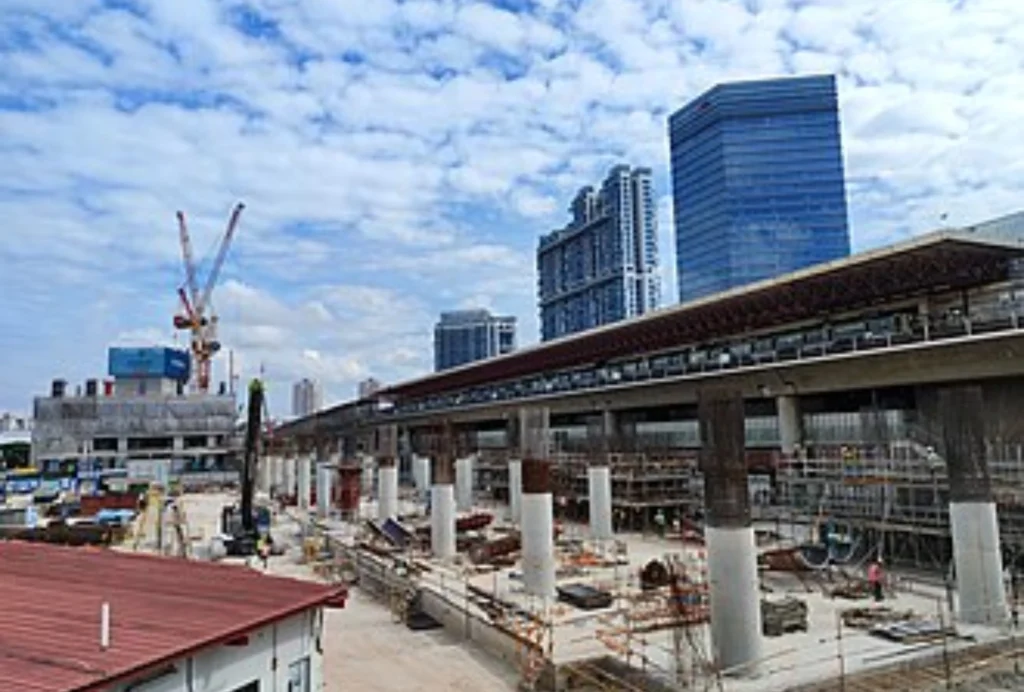
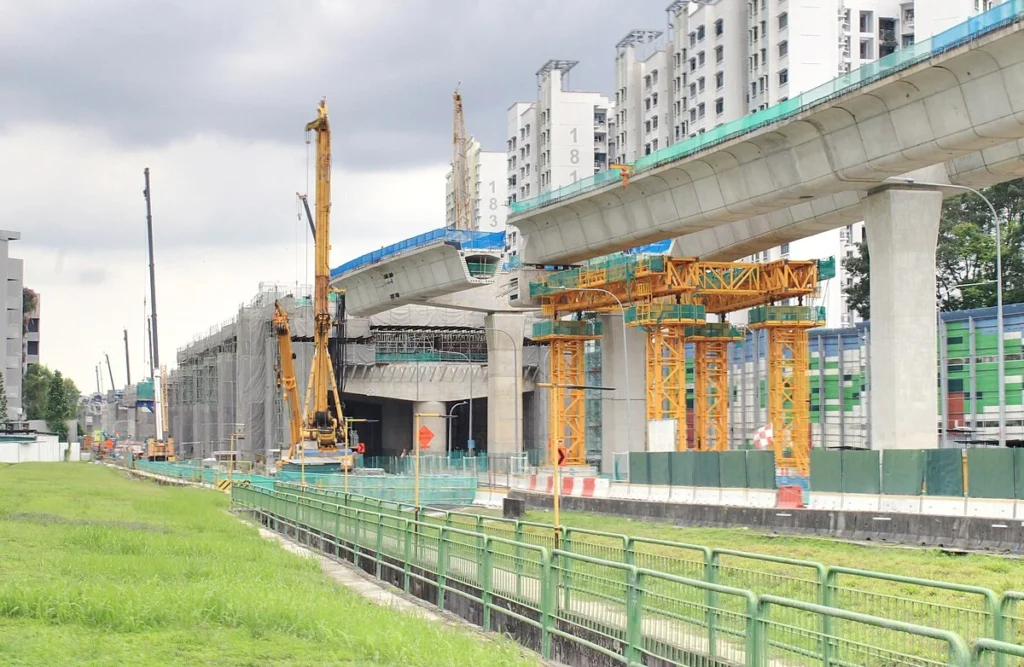
Jurong West MRT Station is currently under construction, with ongoing work to build the station infrastructure, tunnels, and associated facilities. Commuters should remain aware of construction activities in the surrounding area and follow any temporary traffic regulations or access restrictions that may be in place. The construction is expected to be completed within a defined timeline, with the station opening for passenger services upon completion.
Safety protocols are strictly adhered to at all Jurong MRT stations, with CCTV surveillance systems monitoring station areas round the clock. Security personnel are present during peak hours and immediately available to assist with any incidents or concerns. Commuters are encouraged to report any suspicious activity or safety hazards to station staff or local authorities immediately.
Maintenance schedules for existing MRT stations ensure that all equipment, including escalators, lifts, and doors, function properly and safely. Temporary disruptions to service may occur periodically for scheduled maintenance, with commuters notified in advance through official channels. Real-time updates on any service disruptions are provided through the MRT operator’s website and mobile applications, allowing commuters to plan alternative routes as needed.
Frequently Asked Questions
What MRT lines serve the Jurong area?
The East-West Line (EW Line) is the primary line serving Jurong, with stations including Jurong East and Jurong Town Hall. The Jurong Region Line (JRL) is currently under development and will provide additional connectivity within the Jurong Lake District and nearby areas.
Where is Jurong West MRT Station located?
Jurong West MRT Station (JS6) is located at Jurong West Avenue 2 and is currently under construction. Once completed, it will serve residents in the western Jurong area, particularly those in blocks along Jurong West Street 41 and Street 42.
Which MRT is nearest to Jurong West Street 42?
Once completed, Jurong West MRT Station will be the nearest station for residents in the Jurong West Street 42 area. Currently, residents may use bus services or nearby stations as alternatives while the station is under construction.
What is the nearest MRT from Block 247 Jurong West?
Residents of Block 247 Jurong West can access nearby MRT stations via bus services or by walking to the nearest completed station. The opening of Jurong West MRT Station will significantly improve accessibility for this block.
How do I get to Clementi MRT from Jurong West?
Commuters can take bus services from Jurong West to Clementi, or use the MRT network to travel via Jurong East to Clementi using the EW Line. Travel time varies depending on the specific origin point and traffic conditions.
What facilities are available at Jurong MRT stations?
All Jurong MRT stations feature accessible entrances, lifts, escalators, ticket vending machines, customer service counters, clean toilets, water fountains, and seating areas. Additional amenities may be available at specific stations.
Are there future extensions for Jurong West MRT?
Yes, the Jurong West MRT Station is part of ongoing expansion plans. The Jurong Region Line under development will provide additional connectivity and integrate with existing stations to enhance overall network capacity and efficiency.
How do I get to Buona Vista from Jurong West?
Commuters can use bus services or travel via the MRT network using the EW Line, transferring at interchange stations as needed. Travel times vary depending on the specific route and time of travel.
What is the nearest MRT from Admiralty to Jurong West?
Admiralty MRT Station is on the EW Line, providing direct connectivity to Jurong East. Commuters can travel eastbound or westbound on the EW Line to reach various parts of Jurong.
What bus routes serve Jurong MRT stations?
Multiple bus routes serve different Jurong MRT stations, providing first-mile and last-mile connectivity to surrounding residential blocks. Bus route information is available through the official transport authority website and mobile applications.
Conclusion
The Jurong MRT Complete Guide to Stations, Lines & Connectivity represents a comprehensive, user-centric resource that serves multiple audiences with distinct informational needs. By combining detailed factual information about current stations with forward-looking coverage of future developments like Jurong West MRT (JS6), the guide positions itself as the definitive go-to resource for anyone seeking to understand or navigate the Jurong transportation ecosystem.
The guide’s strategic structure, natural keyword integration, practical commuting advice, and comprehensive FAQ section create a strong foundation for search visibility, user engagement, and content authority. As Jurong continues to develop and the MRT network expands, this pillar page can evolve alongside the district, maintaining its relevance and utility for years to come.
For organizations seeking to establish authority in Singapore’s transport and real estate sectors, this content serves as both a practical resource for target audiences and a sophisticated example of SEO-aligned, user-focused content strategy.